Bills & savings
Aircon + Solar: Can Daytime Cooling Make Better Use of Your Roof?
Daytime air-conditioning can overlap with solar production. Learn how to compare cooling schedules, actual electricity use and roof output before choosing a system.
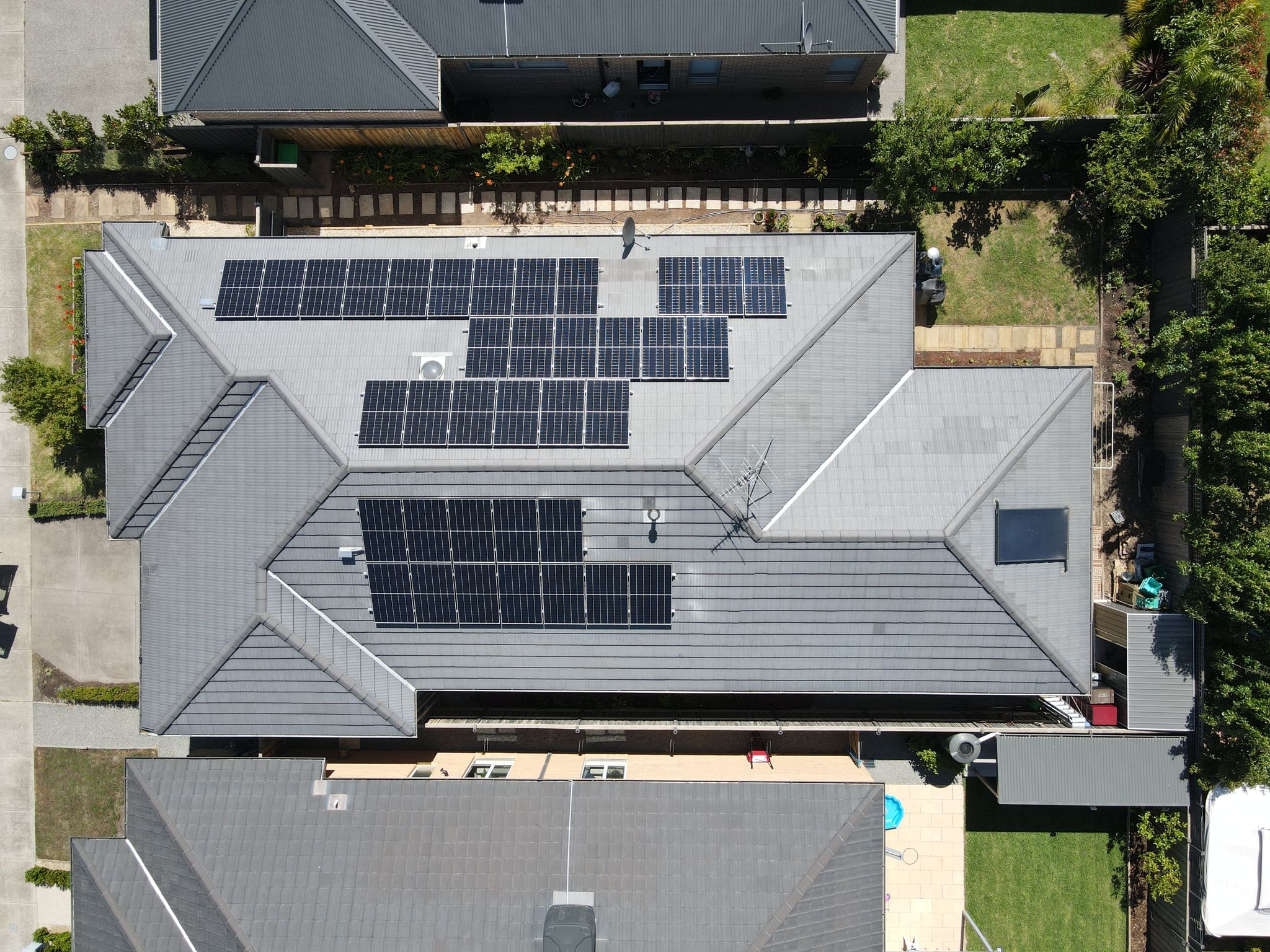
Mainit na naman. The aircon is running, the family is working from home and the roof is getting plenty of sun. It is easy to see why cooling and solar belong in the same conversation. The useful connection is timing: electricity produced during daylight can serve appliances running at that moment.
That does not mean a solar package automatically covers an aircon, or that a bigger system makes cooling free. A useful proposal looks at the whole home, changing weather and the hours your equipment actually operates. Start with those details and the numbers become much easier to understand.
Match two daily patterns
Draw a simple timeline from waking up to bedtime. Mark when each aircon normally runs, then add other substantial appliances. A home office cooled from mid-morning has a different pattern from bedrooms cooled only after sunset.
Solar production also changes throughout the day. At any moment, household demand can be higher or lower than available solar output. Direct self-consumption is the portion used on site as it is generated. The remaining supply or surplus depends on the system design and its approved operating arrangement. Monthly totals alone cannot show how well these two daily patterns overlap.
Use consumption, not horsepower alone
Aircon horsepower is not a complete description of electricity use. Ask for the equipment model and electrical specifications, and collect operating information. Room conditions, settings, occupancy and how the unit controls its compressor all affect what happens during a typical day.
Here is an arithmetic example, not an appliance rating: a unit drawing an average of 0.8 kW over five hours uses 4 kWh. If the average were 1.2 kW for the same period, it would use 6 kWh. Have actual consumption assessed safely, especially for hardwired equipment. Do not treat either assumed figure as a forecast for your own aircon.
Look at the whole property
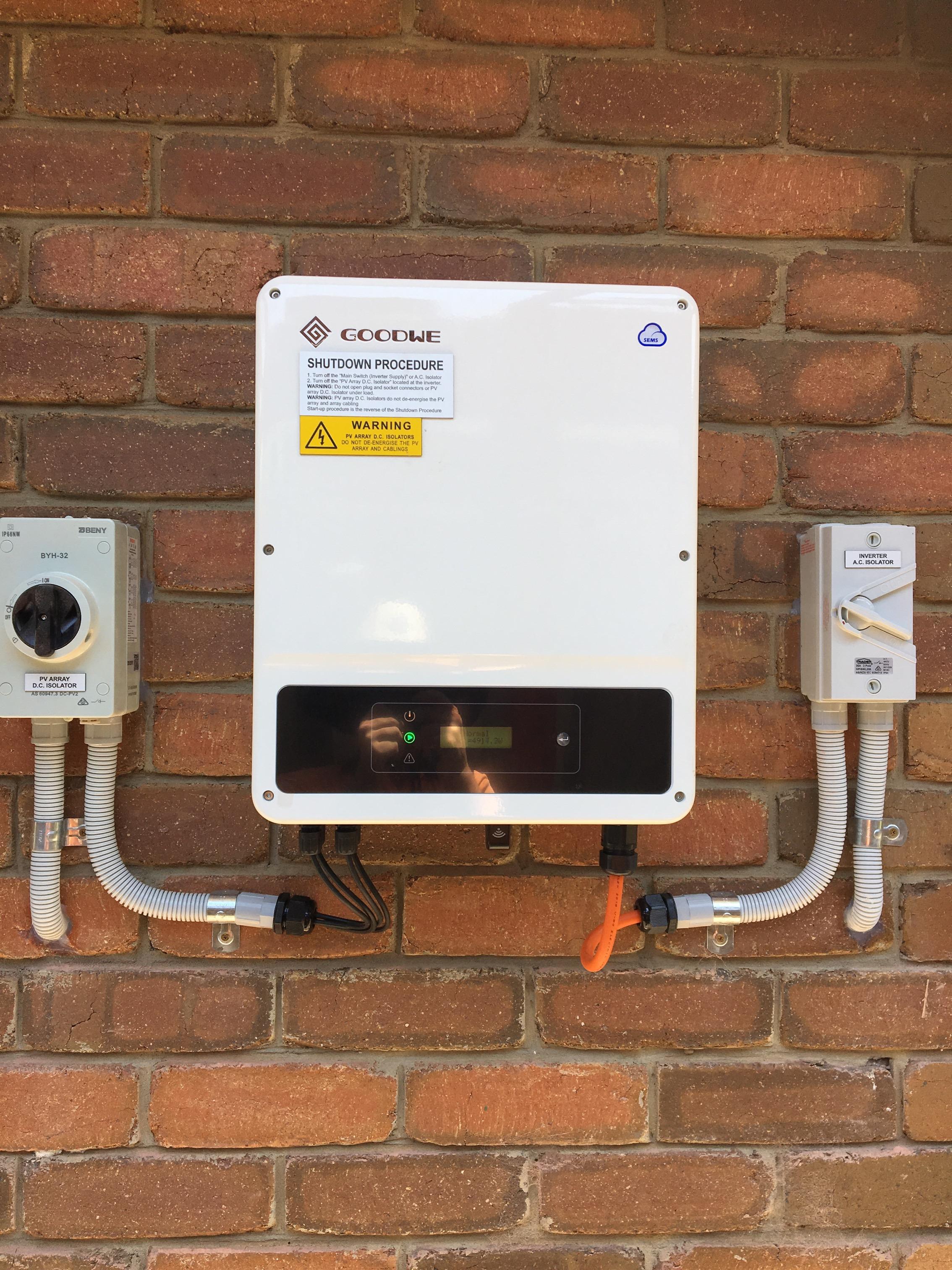
The aircon shares solar electricity with everything else behind the same connection. A refrigerator, computers, water pump and cooking equipment may all be operating at the same time. Ask for a load profile that includes these uses instead of a claim that a certain number of panels is dedicated to one appliance.
A historical local example shows the broader idea. In its June 2012 account of its Manila headquarters installation, the Asian Development Bank described rooftop solar supplying a portion of air-conditioning, lighting and computer demand. That was ADB’s project, and its reported output is not a benchmark for your roof. [1]
Request a model with visible assumptions
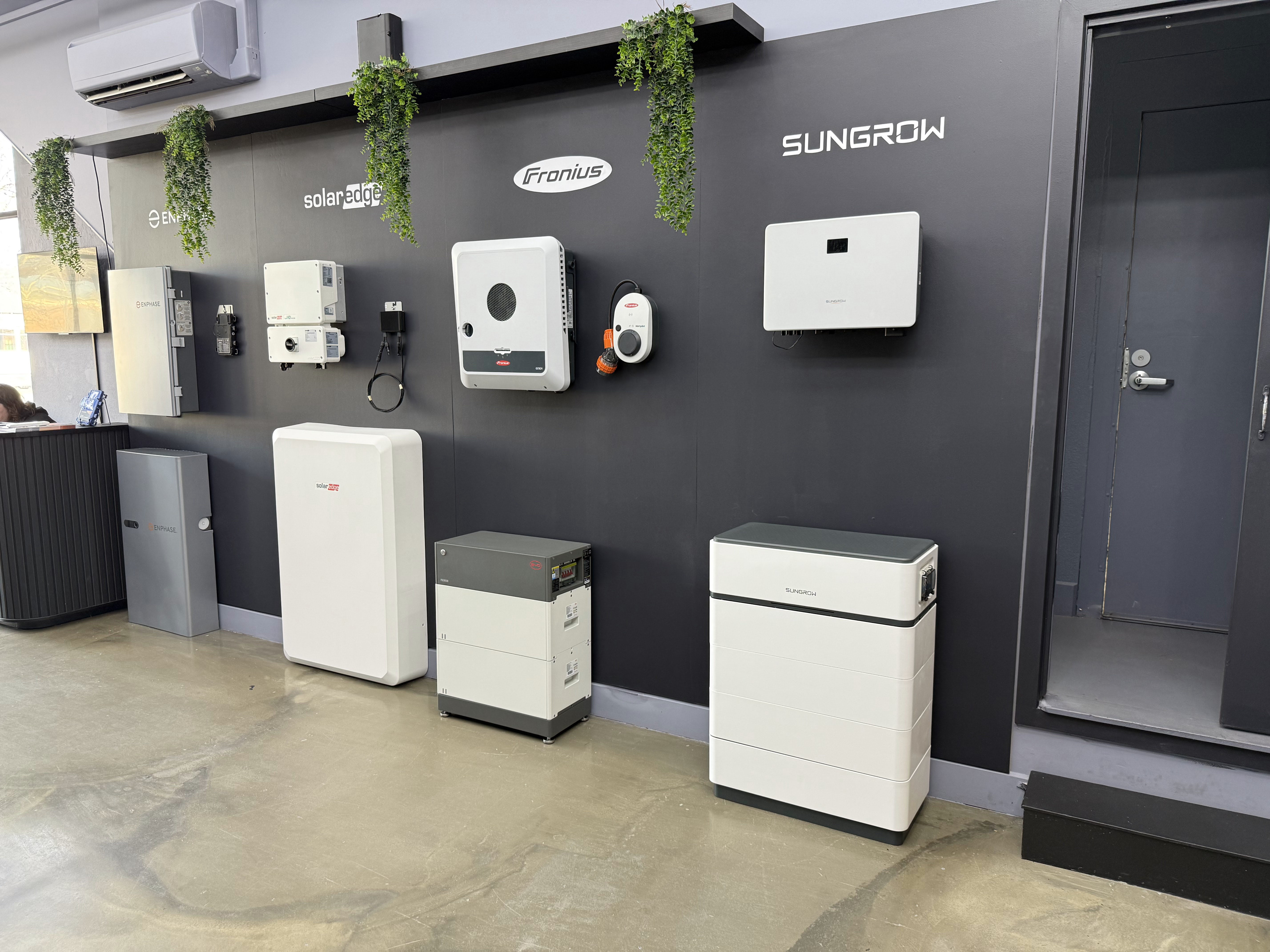
A useful solar estimate accounts for the site and equipment. The National Laboratory of the Rockies’ SAM software offers detailed photovoltaic modelling using module and inverter information, with options for temperature, shade and other losses. A model is a decision tool, not a production promise. [2]
Ask the installer to explain a representative sunny day and a lower-production day using your expected demand. If cooling continues through clouds or into the evening, where will the remaining electricity come from? If the property is empty at midday, what happens to spare generation? The answers depend on your export arrangement and whether storage is included.
Keep comfort and efficiency in the plan
There is little value in running an unnecessary aircon simply to consume solar electricity. First decide what comfort your household needs. Then review sensible operating habits, equipment maintenance and improvements to the room with an appropriate cooling professional.
For example, a home office used only on Tuesdays and Thursdays should not be modelled as a seven-day daytime load. A shop that closes for lunch may have another pattern again. Record weekdays, weekends and seasonal changes separately. If a replacement aircon is already planned, ask the solar designer to model the expected new consumption rather than permanently sizing around the old unit.
Separate cooling savings from cooling backup
Running an aircon during normal grid-connected operation is a different requirement from keeping it running in a brownout. Outage operation needs specifically designed backup equipment, sufficient power capability and enough available energy. The aircon may not be on the backed-up circuits at all.
Give Lightning Energy two clear lists: your usual cooling schedule and any cooling you consider essential during outages. Bring the appliance models and recent bills. That makes it possible to assess daytime use, remaining grid demand and backup priorities separately, with each assumption visible before you decide.
Sources & further reading
Sources used for this guide. Policy and product details should be checked for your particular installation.
- ADB — Setting a Solar Power Example in the Philippines5 June 2012
- National Laboratory of the Rockies — SAM Photovoltaic ModelsAccessed 20 September 2026