Across Asia
The ASEAN Power Grid: Why Solar Needs Connections
More solar is only part of the energy transition. Explore how regional connections, local networks and coordinated operation work together across Southeast Asia.
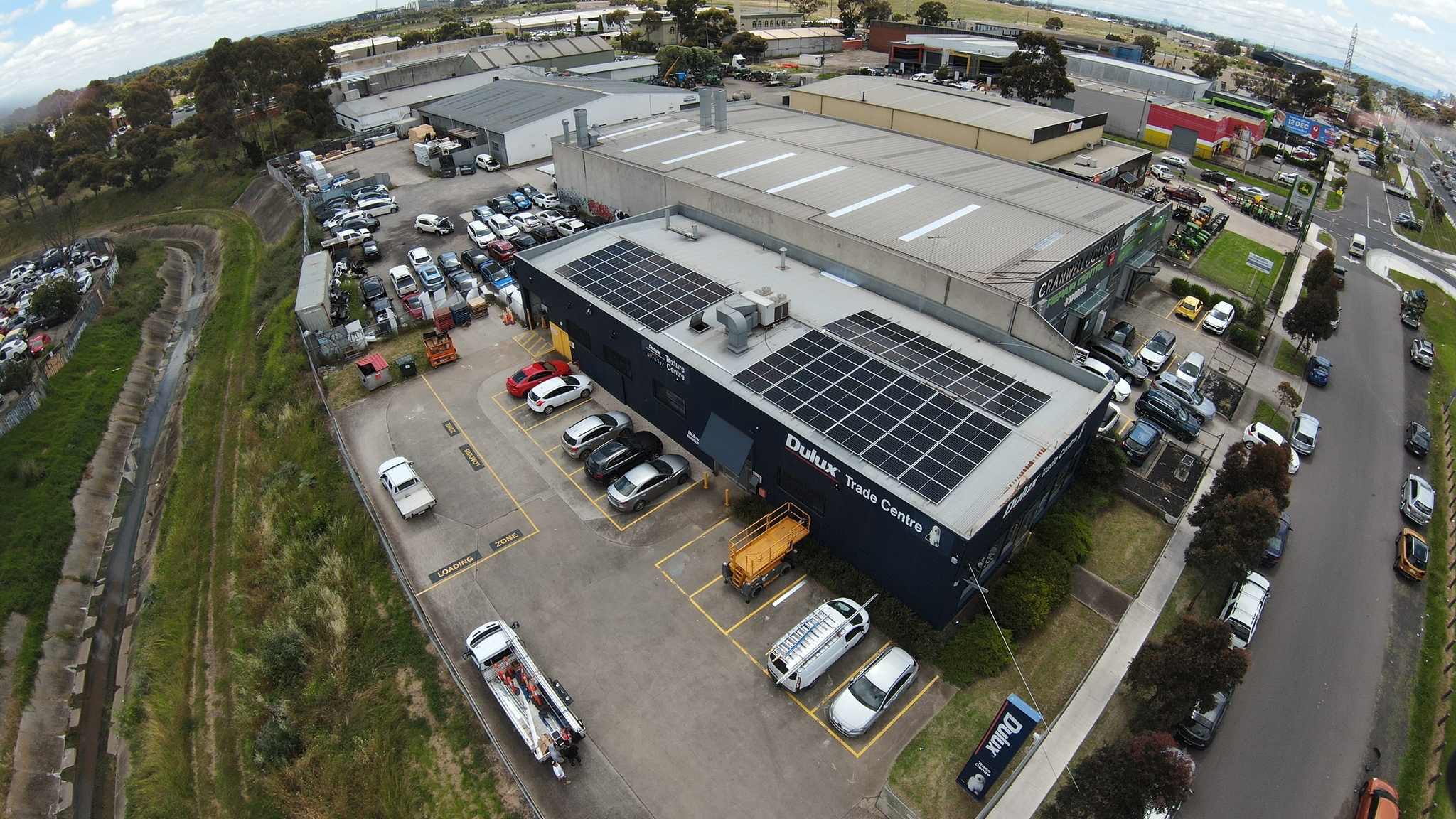
A solar farm can generate electricity only as usefully as the wider system can accept and deliver it. That is why conversations about renewable energy in Southeast Asia increasingly include transmission lines, cross-border trade and the ASEAN Power Grid.
The regional idea is straightforward: connected systems can exchange electricity under agreed arrangements. Making that work requires infrastructure, operating rules and commercial agreements. The benefits depend on all three, not simply on drawing a line between countries on a map.
What a regional connection can do
The IEA’s analysis of ASEAN grid financing highlights differences between countries’ demand patterns, generation mixes and renewable resources. Those differences create opportunities for electricity exchanges, while expanding and modernising networks requires investment. Its future demand and investment figures are scenario-based estimates, not completed infrastructure. [1]
Think of two fictional systems with different available resources at a particular hour. A suitable connection may allow one to supply the other. Whether that trade happens depends on the line’s capacity, the rules and the available electricity. A connection creates an option; it does not create generation by itself.
Solar integration is a system task
In its September 2025 study of Southeast Asia, the IEA sets out actions suited to different stages of solar and wind integration. Its approach includes network planning, system operation and the institutions that govern them. Countries cannot assume that the same measure will solve every integration challenge. [2]
For a reader, that means a report of new panel capacity is only the start of the story. Look for the connection timetable, the expected operating arrangements and how output will reach consumers. A project may be physically constructed before every associated network or commercial requirement is ready.
Distinguish an announcement from an operating link
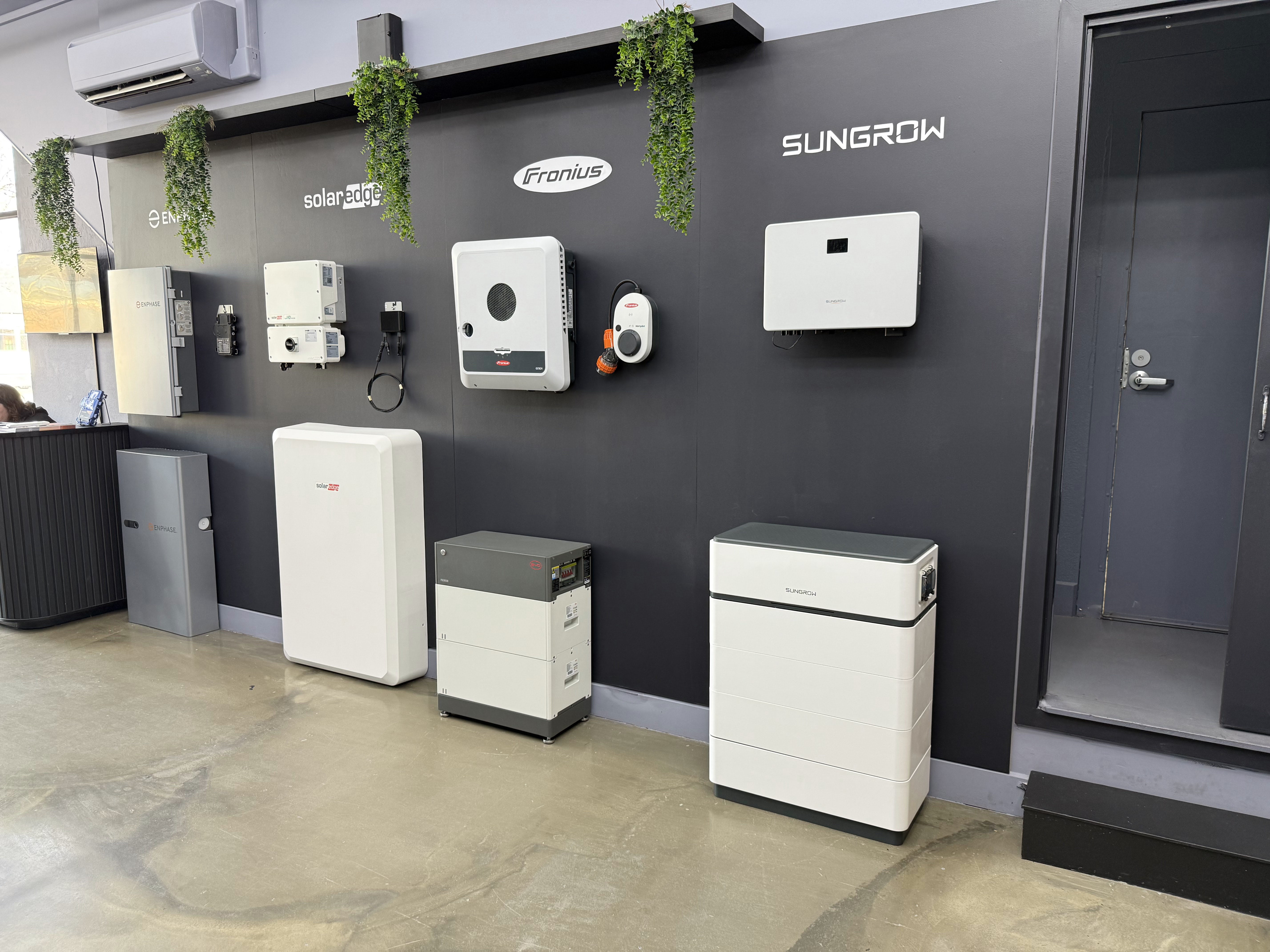
Energy infrastructure passes through several stages. A government discussion, feasibility study, agreement, financing decision and construction milestone each represent progress. They do not all mean electricity is flowing. News stories become easier to interpret when you place each announcement on that sequence.
Try keeping a simple note beside a headline: what exactly changed, on what date, and what must happen next? If a project receives an approval, ask what the approval covers. If construction begins, ask whether the quoted completion date is an estimate. This habit is useful for regional interconnectors and for solar developments much closer to home.
Regional trade still needs local delivery
Imagine that electricity has reached a national network through a cross-border connection. It still needs a route through the relevant transmission and distribution systems to the customer. An improvement at one level does not automatically remove constraints at every other level.
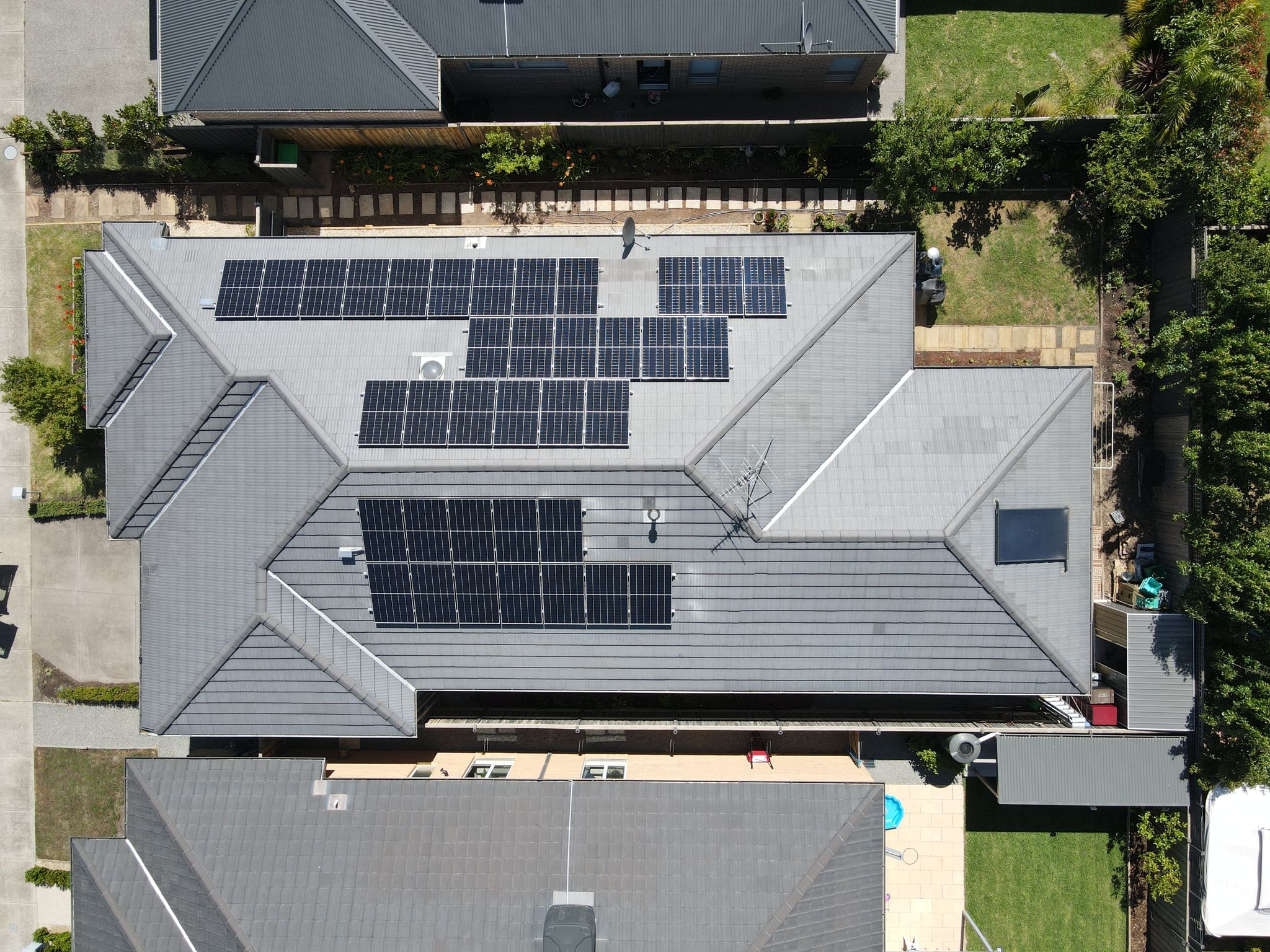
That distinction matters to Philippine households assessing rooftop solar. Your property’s connection, utility requirements and installation design remain local questions. A regional trading initiative does not mean a home can directly sell energy across borders. It also cannot promise that a particular street will avoid brownouts or that a future household bill will fall by a fixed amount.
Businesses can ask more precise questions
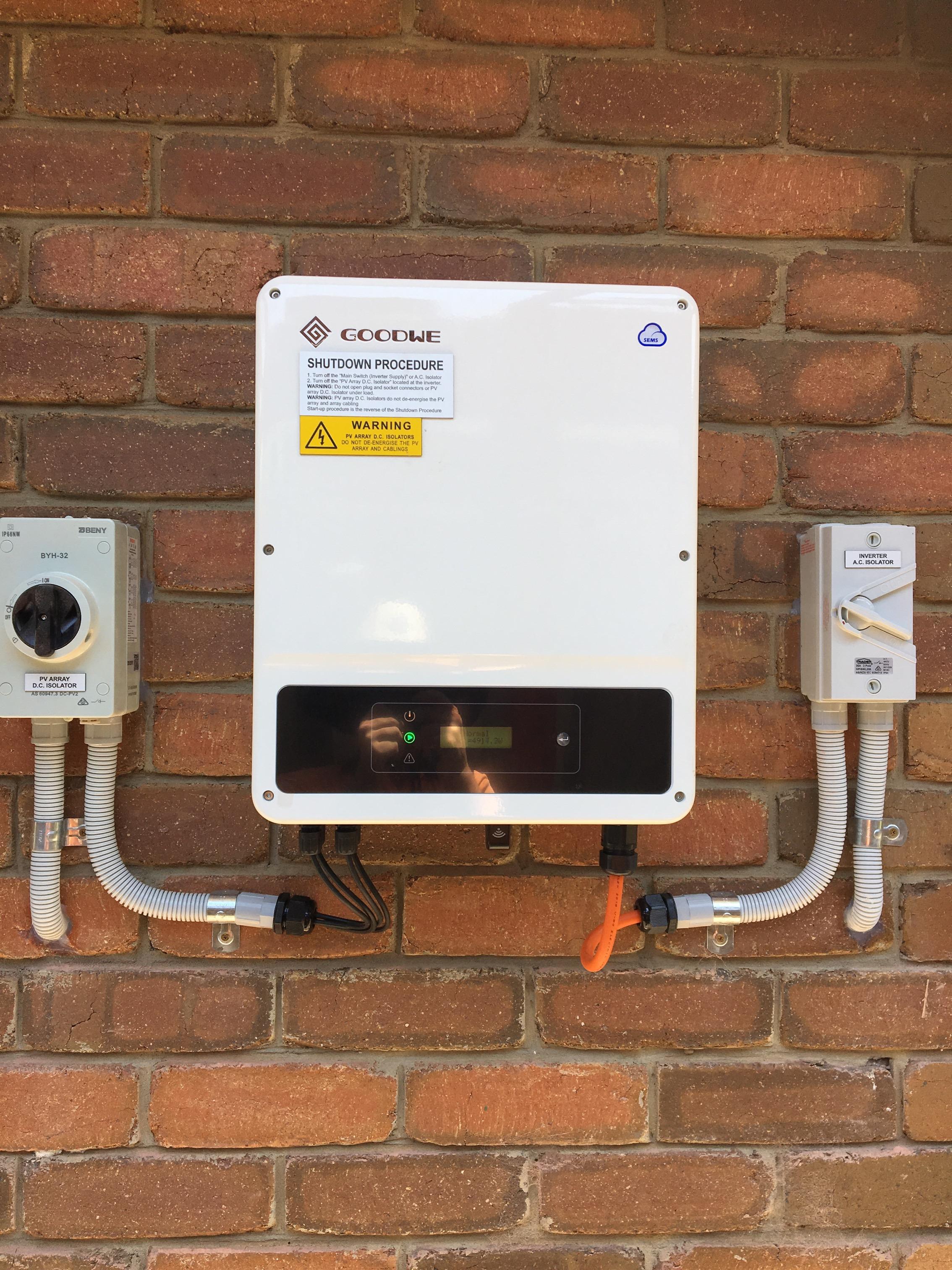
For a business following regional energy developments, separate strategic interest from a purchase decision. A long-term infrastructure plan may influence where industry develops, while a solar proposal for your premises needs current site information and a defined commercial scope.
Our recommended questions are specific: Which operating connection or contract does the proposal rely on? Who is responsible if an associated project is delayed? What assumptions about grid electricity and tariffs were used? If those assumptions change, how does the business case change? Clear answers are more useful than a broad claim that regional renewables will make every project cheaper.
What this means for your roof today
Regional connections and rooftop solar can be discussed as different parts of the same wider transition. One concerns coordination between power systems; the other begins with a building and its electricity use. Neither removes the need to plan the other properly.
If you are ready to explore a home or business installation, begin with facts you can check now: bills, operating hours, roof condition and the local connection process. Follow ASEAN developments for context, and assess your own project using its documented assumptions. Quality solar, made simple, means knowing which decisions belong to your property and which depend on a much larger infrastructure programme.
Sources & further reading
Sources used for this guide. Policy and product details should be checked for your particular installation.
- IEA: Financing the ASEAN Power Grid—Executive summaryAccessed 20 September 2026
- IEA: Integrating Solar and Wind in Southeast Asia22 September 2025