Across Asia
Bifacial Solar: Two Sides, One Site-Specific Decision
Bifacial panels can collect light from the rear as well as the front. Find out why the mounting, surroundings and evidence matter more than a headline gain.
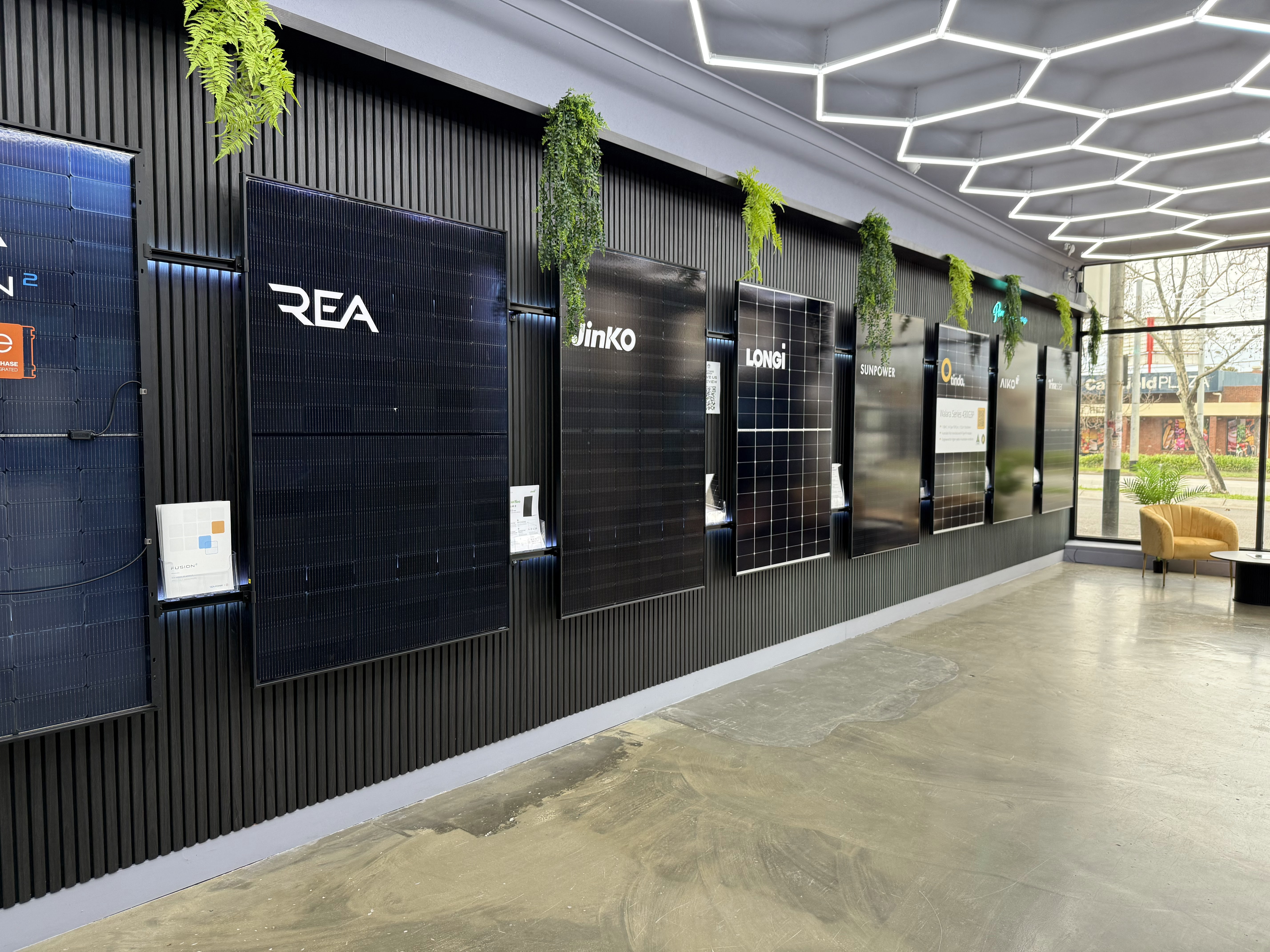
Two active sides sounds like an easy upgrade. If a solar panel can collect light from its front and rear, why not expect twice the electricity? Because the two sides rarely receive the same amount of useful light.
Bifacial solar is an interesting technology, but the result belongs to the complete installation. The space behind the panel, nearby surfaces, shadows and mounting arrangement all shape the question a designer needs to answer.
The rear side needs usable light
A bifacial panel can convert light reaching both sides. The rear may receive reflected and diffuse light, depending on the installation. Surface reflectivity, often called albedo, is one relevant factor, alongside geometry and shading. IEA PVPS’s 2024 guidance on bifacial tracking systems discusses these design and modelling issues. [1]
Picture two possible installations: a panel with an open area behind it and a panel mounted close to a dark, opaque roof. They do not offer the rear side the same surroundings. That comparison explains why a technology label cannot establish the extra annual energy for your property.
An Indian study asks a more specific question
A preprint submitted in September 2025 compared vertical east-west and south-north bifacial modules at IIT Bhilai in India, alongside other module arrangements. The researchers collected measurements on 19 selected days between May 2022 and April 2023. The east-west arrangement showed morning and evening production peaks in the study. [2]
That is a useful research question about orientation and production timing. It is not a year of continuous measured output, a peer-review guarantee or a result that can be applied unchanged to a Philippine roof. When reading a study, note the location, mounting, sample and measurement period before borrowing its conclusions.
Bifacial and tracking describe different things
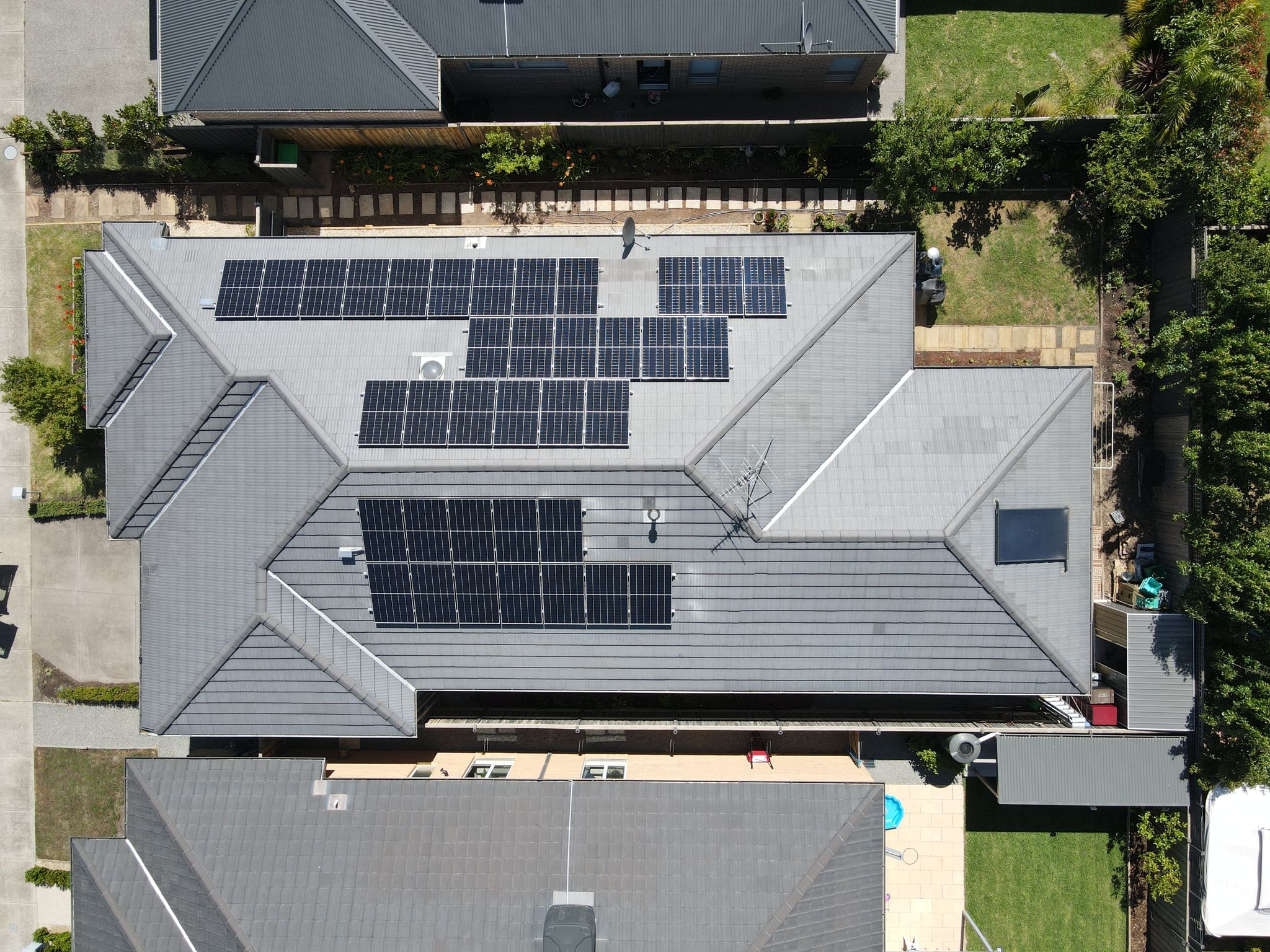
Bifacial describes light collection from two sides of a module. Tracking describes a mounting system that moves panels to follow the sun. They can be combined, but one does not imply the other. IEA PVPS’s report specifically examines their combined use and identifies uncertainty in performance modelling. [1]
For a rooftop quotation, ask the provider to describe the actual proposed arrangement in ordinary language. Will the panels remain fixed? How much rear clearance is assumed? What surface is behind them? Those details let you compare the proposal with the evidence being cited, instead of assuming that a utility-scale study describes a close-mounted roof.
Ask to see the additional-energy assumption
If a proposal assigns an extra benefit to bifacial modules, request the assumed annual rear-side contribution and the inputs behind it. The estimate should belong to the proposed layout and site. Ask how sensitive the result is to a less favourable assumption.
Our suggested comparison keeps the objective consistent: use the same property, weather basis and electricity-use assumptions for the alternatives. Then compare the full installation costs and estimated useful generation. More panel-side energy is only one part of the decision; the owner also needs to understand when that energy is available and how the site can use it.
Do not redesign the roof around a slogan
A homeowner may hear that a brighter surface or more clearance could improve rear-side light and immediately consider modifying the roof. Pause long enough to assess the whole change. Waterproofing, structural requirements, access, maintenance and cost still matter.
Ask the designer to state whether the proposed modification is necessary, how its benefit was assessed and which other professionals must review it. Consider its ongoing condition, too: a surface that is bright when new may not remain identical over time. A claimed performance gain should be evaluated alongside the work required to achieve and maintain it.
Choose the product within the design
Bifacial panels may be appropriate for some layouts, while other sites offer little opportunity for rear-side contribution. The useful question is whether the exact proposed product and installation meet your goals at an acceptable cost, with transparent assumptions. This article does not confirm availability of a particular Lightning Energy bifacial product.
For your next assessment, bring the same essentials as any solar project: bills, operating hours and roof information. Add one question if bifacial equipment is proposed: show me how this site lets the second side help. Two sides can create an opportunity; a clear design tells you whether that opportunity matters for your home or business.
Sources & further reading
Sources used for this guide. Policy and product details should be checked for your particular installation.
- IEA PVPS: Best Practices for the Optimization of Bifacial Photovoltaic Tracking Systems—Executive summaryAugust 2024
- Kumar, Singh and Chander: Assessment of vertical bifacial photovoltaic modules in IndiaPreprint submitted 30 September 2025; 19 measurement days in May 2022–April 2023