Bills & savings
Magkano ang Tipid? A Clear Way to Estimate Solar Savings
Build a solar savings estimate you can check. Follow a clearly labelled example covering electricity used at home, export credits, ongoing costs and changing assumptions.
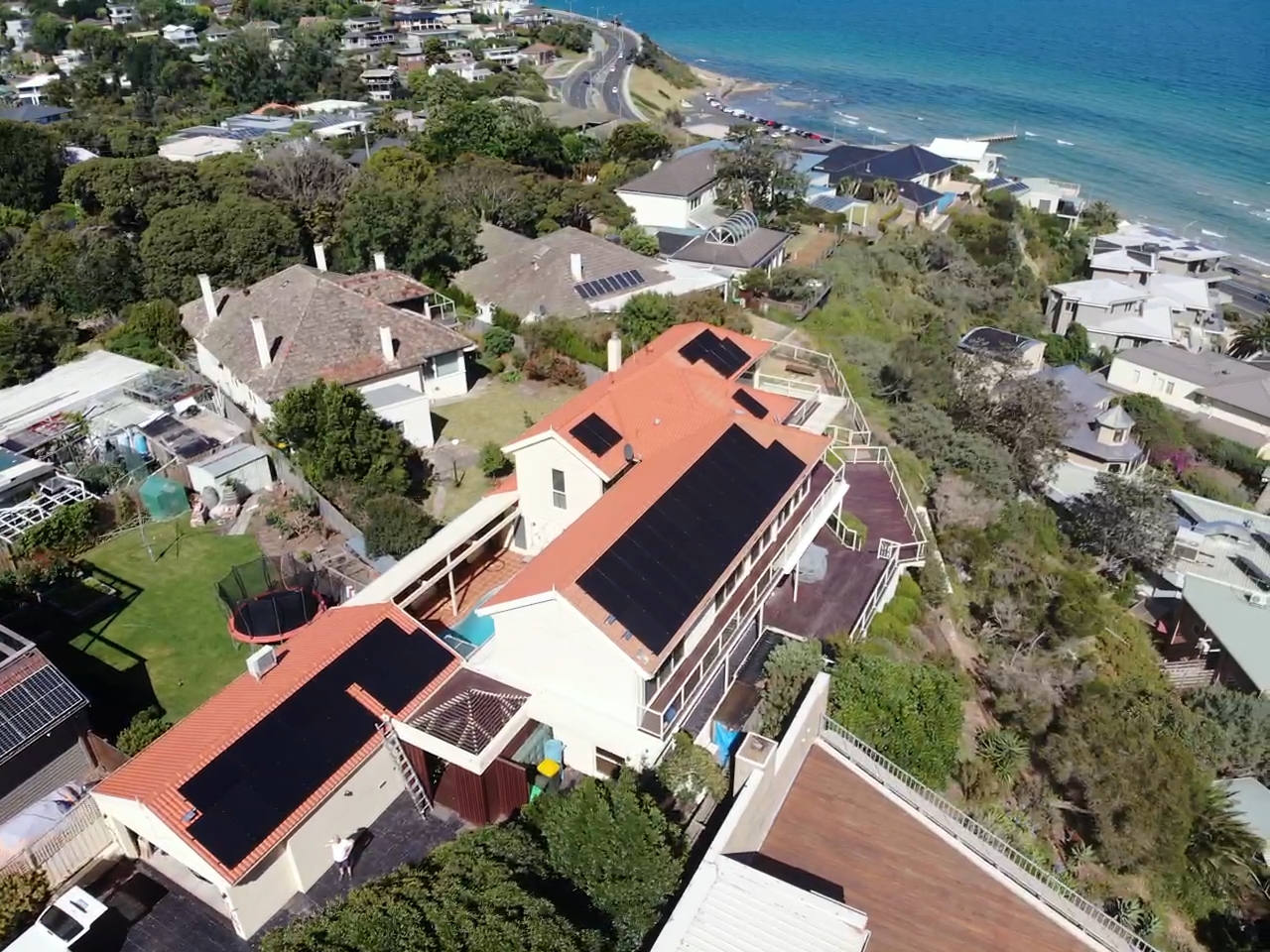
A solar proposal should make it easy to see where the projected savings come from. 'Up to' percentages and a single payback number cannot do that on their own. You need the expected energy flows, the rates applied to each flow and the costs that remain.
This guide uses deliberately hypothetical numbers to show the method. They are teaching assumptions dated 20 September 2026, not current Meralco tariffs, a Lightning Energy quotation or a forecast for your home. Replace every assumption with the figures in your own proposal.
Start with production that fits the property
Before calculating pesos, estimate solar energy for your location, roof layout and equipment. The System Advisor Model's photovoltaic tools distinguish preliminary estimates from more detailed equipment-based modeling, including temperature and shading losses. The inputs matter as much as the software name. [1]
For our example, assume the array produces 500 kWh in one month. We have not attached that output to a particular system size because real production needs a site model. Also assume 350 kWh is used immediately at home and 150 kWh is exported through an approved net-metering arrangement. No battery is included.
Value electricity used at home separately
Assume each directly used solar kWh avoids ₱12 of electricity charges that would otherwise be payable. Under that simplifying assumption, 350 kWh multiplied by ₱12 gives ₱4,200 of avoided purchases. A real calculation should use the applicable avoidable charges, rather than blindly dividing the entire amount due by consumption.
This benefit depends on the home actually needing that electricity when the array generates it. Running an unnecessary appliance just to use solar does not create useful savings. A better question is whether an existing flexible task, such as laundry, can conveniently move into a period of available production.
Apply the correct export credit
Meralco's billing guidance bases net-metering credits on exported electricity and the applicable blended generation charge, with other generation adjustments excluded. The export rate therefore differs from the full retail purchase rate. [2]
For this example only, assume an export credit of ₱5 per kWh. Exporting 150 kWh produces ₱750 of credit. Add that to ₱4,200 of avoided purchases and the illustrative monthly gross benefit is ₱4,950. Calling all 500 kWh worth ₱12 would instead give ₱6,000, overstating this scenario by ₱1,050. Small wording differences can hide a large assumption.
Test what happens when the household changes
Now keep production at 500 kWh but reduce direct use to 250 kWh because the family spends more days away. Exports rise to 250 kWh. Using the same fictional rates, avoided purchases become ₱3,000 and credits become ₱1,250, for a total of ₱4,250.
The panels produce the same energy in both examples, but the gross benefit changes by ₱700. This is why a household timetable belongs beside the bill history. Ask your installer to test at least one lower self-consumption case, not just the schedule that makes the proposal look most attractive.
Move from gross benefit to ownership cost
The gross figure is only the beginning. Account for any financing charges, agreed service costs, monitoring subscriptions and expected replacements within the period being assessed. Clarify whether the quotation includes roof work, electrical upgrades, permits and application assistance, because excluded work still comes out of the household budget.
Keep the categories clear. Loan principal repays the equipment purchase; interest is a financing cost. A cash-flow view follows actual payments over time, while an ownership-cost comparison starts from the full investment. Mixing the two can count a purchase twice or make a financed installation appear cheaper than it is.
Use payback as a check, not a promise
Simple payback divides the initial investment by an estimated annual net benefit. If a fictional system costs ₱300,000 and its annual benefit after modeled operating costs is ₱50,000, simple payback is six years. That arithmetic does not account for every future change, the timing of money or the value of backup.
Build annual benefit from twelve modeled months rather than multiplying your best month by twelve. Then test lower production, a different purchase rate and a different export rate. For financed projects, request the payment schedule alongside savings. A proposal is more useful when you can see the range and the assumptions behind it.
Ask for a calculation you can take home
A clear proposal should state generation, direct use, exports, rates, retained bill charges, installed cost and ongoing allowances. It should also explain whether savings figures include a battery and how battery losses and replacement assumptions are handled. Keep the dated version you approve for future comparison.
Bring your bills and appliance schedule to Lightning Energy Philippines and ask to walk through the calculation line by line. Magkano ang tipid is a fair question. The useful answer is a transparent estimate for your household, with enough detail to understand why the result could change.
Sources & further reading
Sources used for this guide. Policy and product details should be checked for your particular installation.
- National Laboratory of the Rockies — SAM Photovoltaic ModelsAccessed 20 September 2026
- Meralco — Net-Metering Billing FAQsAccessed 20 September 2026