Solar basics
Grid-Tied, Hybrid or Off-Grid? Solar Setups Made Simple
Understand three common solar arrangements through the jobs they perform. Compare daytime generation, battery use, brownout behaviour and the responsibility of living off-grid.
Solar shopping introduces a lot of labels. Grid-tied sounds technical, hybrid sounds flexible, and off-grid sounds independent. The useful question behind each one is straightforward: where will your electricity come from at midday, after sunset and during a brownout?
Start with those three moments and package names become easier to assess. A system should be described by its actual equipment, wiring and operating modes. The label alone cannot tell you which rooms stay powered or how much energy is available.
First, understand the inverter's job
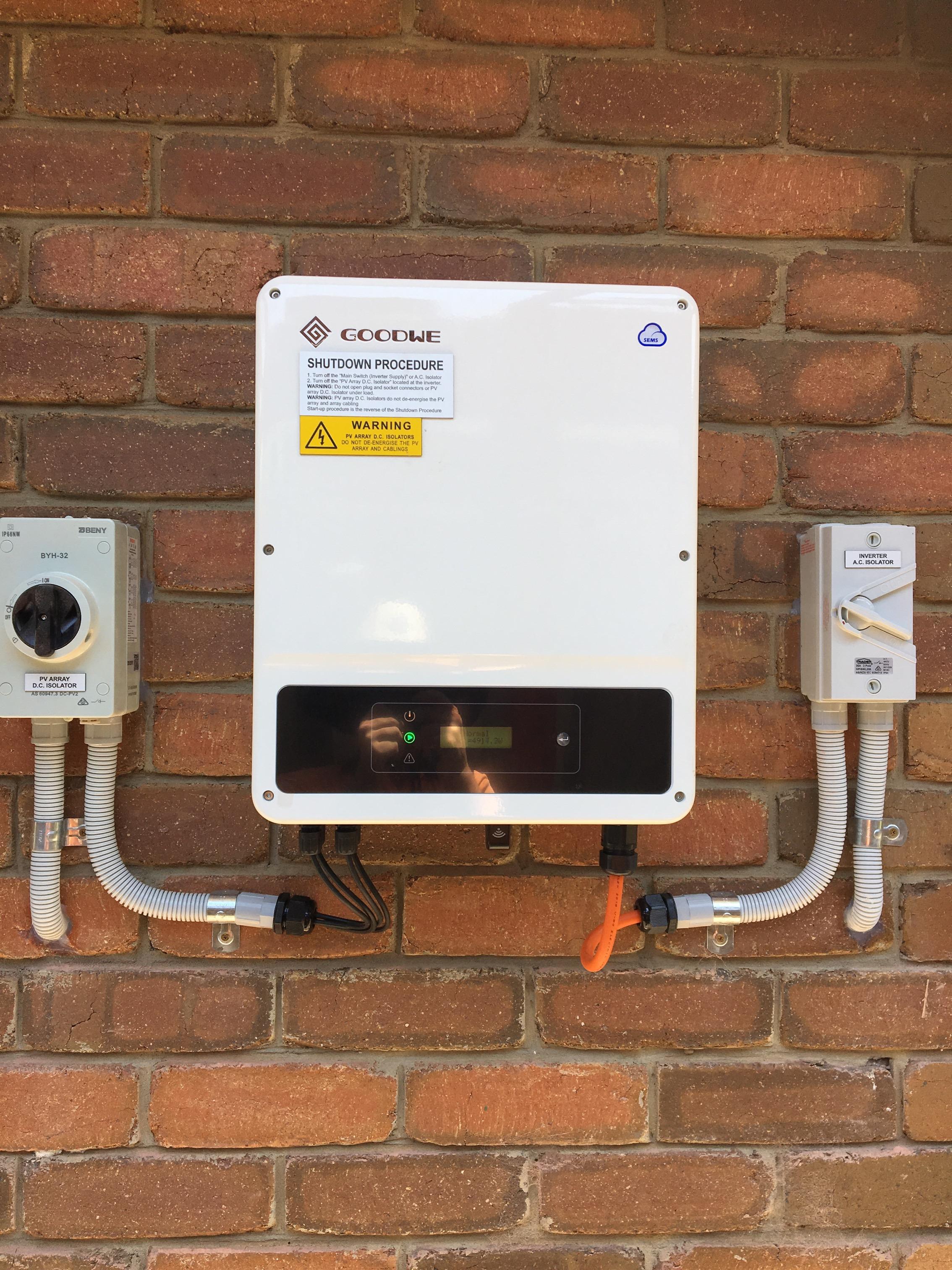
Solar panels produce direct-current electricity. An inverter converts it into alternating-current electricity suitable for the home's AC supply. More advanced designs can also manage storage and support operation without the grid when specifically configured for that purpose. [1]
This is why the inverter model matters alongside the panel brand. Ask the supplier which functions are included now, which require additional equipment and which are not supported. A phrase such as 'battery-ready' deserves a model-specific explanation of compatibility, installation work and backup capability, rather than an assumption that every future feature is already available.
Grid-tied: combine daytime solar with utility supply
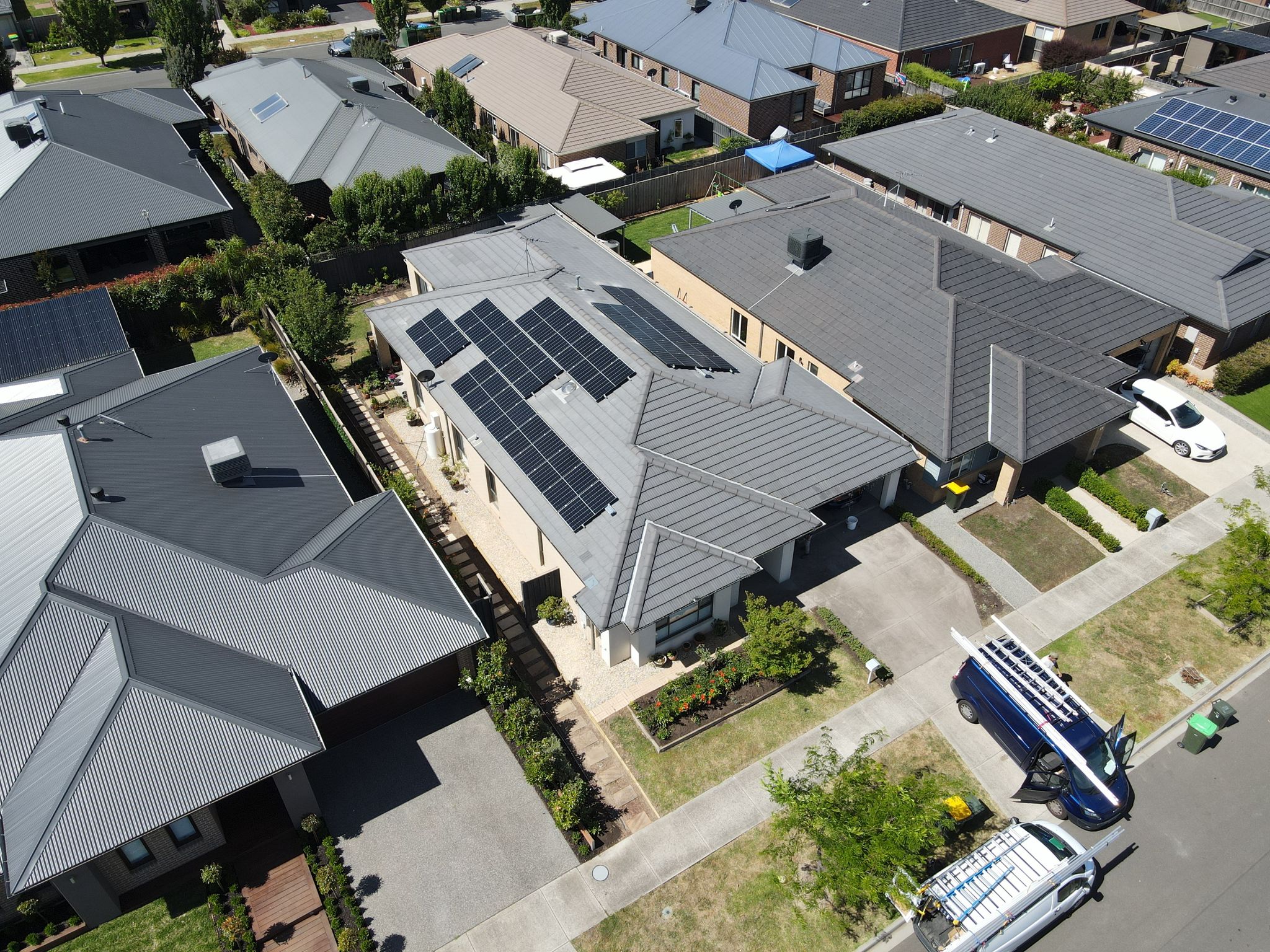
A typical grid-tied arrangement supplies available solar while the property remains connected to the utility. The grid provides the remaining electricity when demand exceeds production. After sunset, a solar-only household generally returns to buying its electricity from the grid.
This can suit a household focused on daytime purchases, but ordinary grid-following equipment normally stops supplying power when the grid fails. [1] During your assessment, ask for the energy flow at breakfast, midday and evening. A proposal should explain how much demand is expected to coincide with solar output, rather than treating the monthly consumption total as continuously available daytime demand.
Hybrid: ask exactly what has been combined
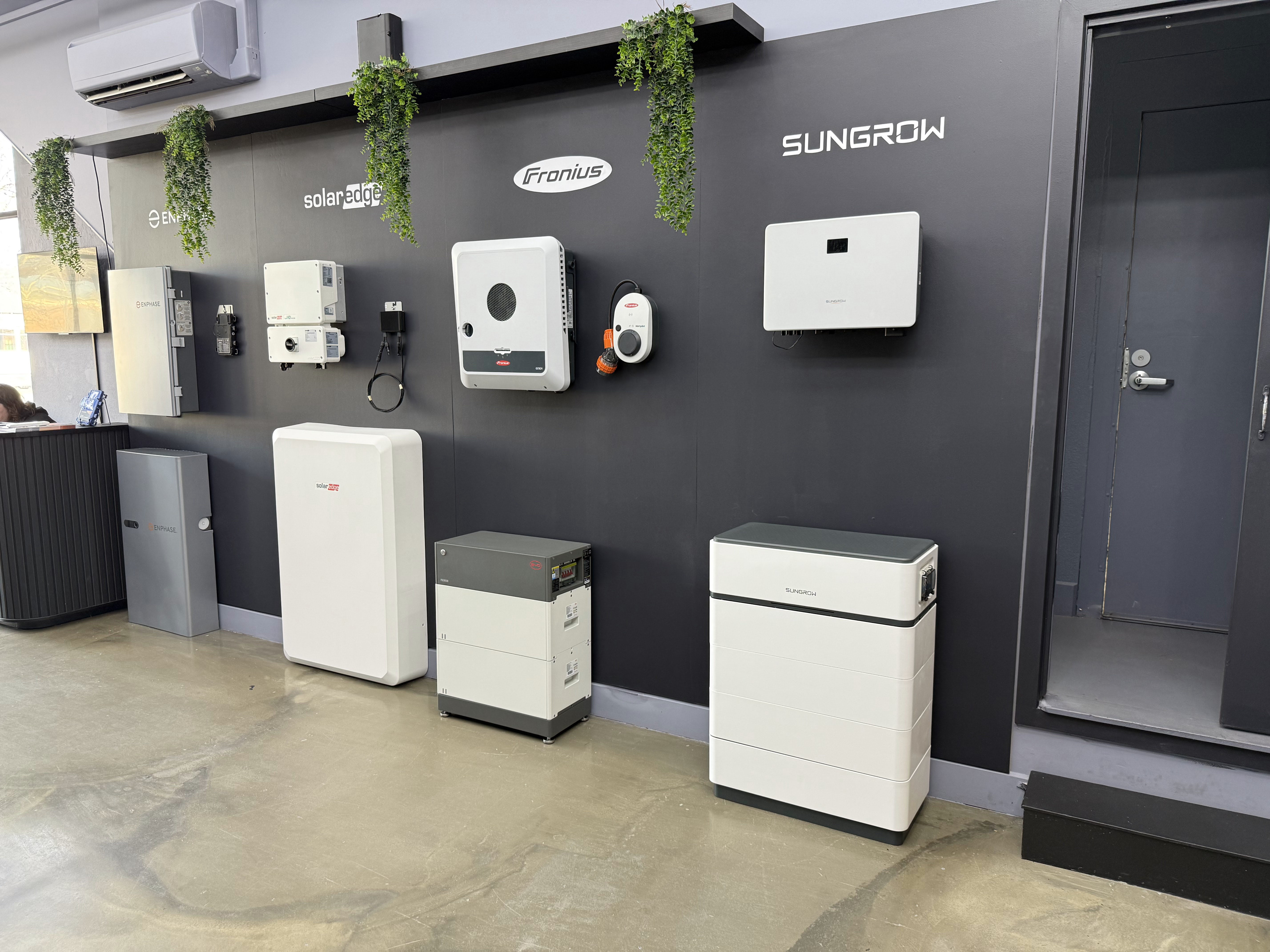
In household solar discussions, 'hybrid' commonly describes a system that can coordinate solar, a battery and the grid. But the word does not guarantee that a battery is included in the quote, that every circuit is backed up, or that solar can recharge the battery during an outage.
Request an equipment list and a simple description of each operating mode. Ask which circuits are supplied, what the backup output limit is, whether changeover can interrupt sensitive devices and what happens at minimum battery charge. Those answers turn a broad marketing term into a design that your household can use confidently.
Off-grid: plan the difficult days
An off-grid installation operates without relying on a utility connection. The design must therefore account for the demand you expect to serve, the available generation and the reserves or other supply needed when solar is insufficient. A generator may be part of a particular design, but it brings its own fuel, maintenance and operating requirements.
Begin with the least forgiving conditions: consecutive cloudy days, overnight loads and equipment that cannot be postponed. Ask what loads must be reduced if energy runs short. Choosing off-grid means accepting responsibility for a complete supply plan, not simply disconnecting a grid-tied system after adding more panels.
Keep export arrangements on a separate line
Whether a system is allowed to export electricity is another question. A grid-connected installation may be designed for own-use operation with export controls, or for an approved arrangement that permits exports. Meralco identifies zero export as an alternative for customers who do not intend to export. [2]
Likewise, adding storage does not settle the export question automatically. Ask the designer to put the intended utility arrangement next to the equipment description. The combination should make sense: which connection remains available, what the controller is allowed to do and which approvals or notifications belong to the project.
Compare the systems using the same household story
Imagine a family whose house is quiet during office hours but busy from 6 pm. In a solar-only proposal, investigate the expected midday surplus and evening purchases. In a battery proposal, investigate how much energy can realistically move into the evening and how much is held for backup. In an off-grid proposal, investigate how supply survives the difficult-weather scenario.
Then compare installed scope and ongoing responsibility. Monitoring, servicing, battery replacement assumptions and any backup fuel costs belong beside the initial price. The cheapest installation and the most useful arrangement for a particular household may be different; understanding the operating story helps explain why.
Write the result you want in ordinary language
Try a brief such as: 'We want to reduce daytime purchases and keep the refrigerator, fans, lights and router operating during a typical evening outage.' Add your service location, bill history and the appliances you expect to buy. That gives a designer something more useful than a request for a generic hybrid package.
Bring that brief to Lightning Energy Philippines and ask to see the midday, evening and outage diagrams for each suitable option. Quality solar, made simple means you can explain how your proposed system behaves without memorising every technical term on the specification sheet.
Sources & further reading
Sources used for this guide. Policy and product details should be checked for your particular installation.
- US Department of Energy — Inverters and Grid Services BasicsAccessed 20 September 2026
- Meralco — Net-Metering and Zero-Export FAQsAccessed 20 September 2026