Bills & savings
Beyond the Price Tag: How to Compare Two Solar Quotes
Two solar quotes can look similar while covering very different work. Compare equipment, assumptions, exclusions and aftercare before deciding what represents good value.
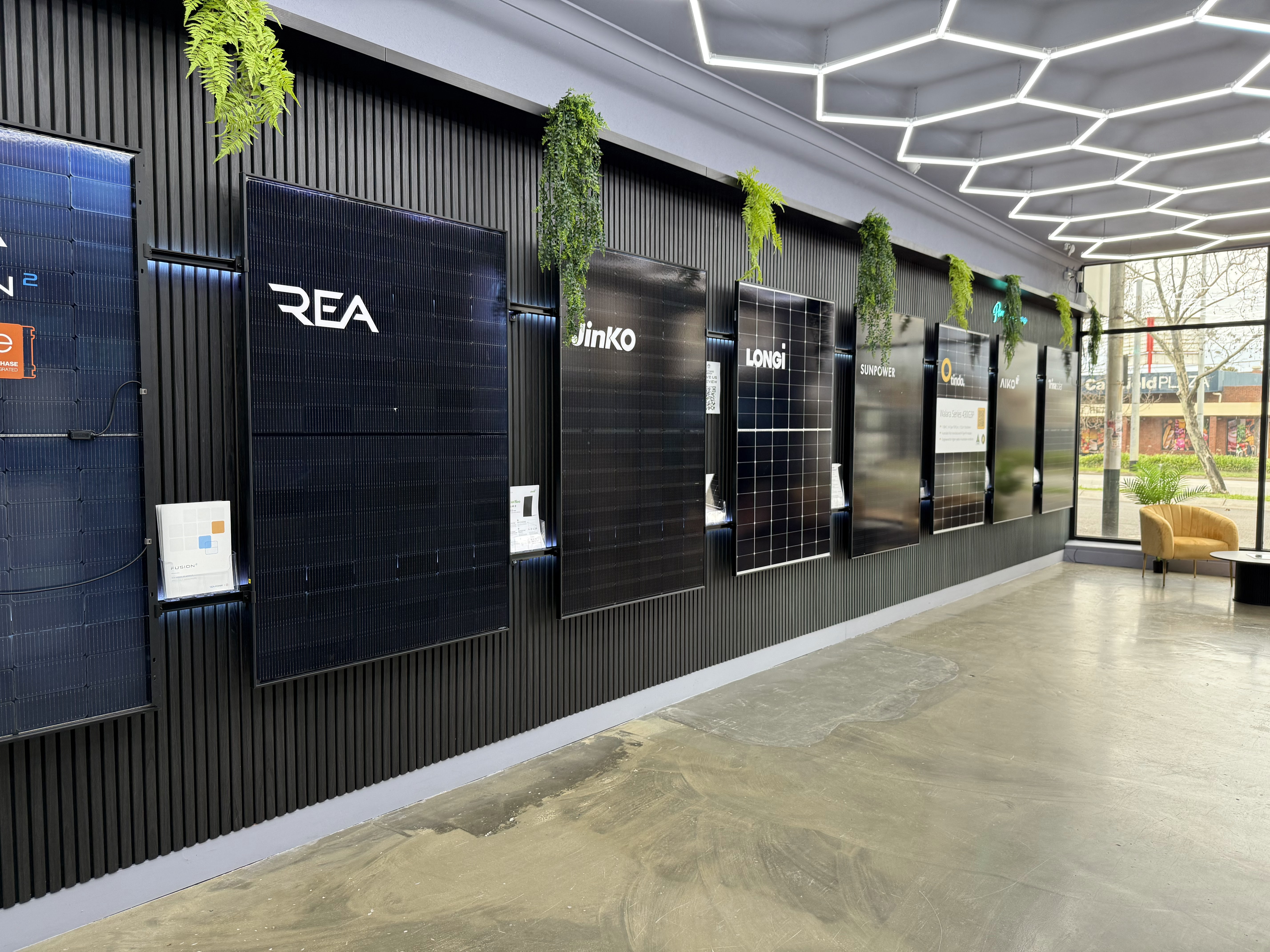
You have two quotations open. One has a lower total. The other lists more equipment and promises a different saving. Both say they will lower your electricity bill. Which one is better value?
Start by giving both installers the same brief. A useful comparison becomes possible when they are pricing the same goal, the same property and a clearly described scope. You can then examine what changes between the offers without guessing what is hidden behind each package name.
Write the outcome you actually want
Make a short brief before comparing totals. Include your address, recent consumption, normal daytime activity and the practical reason you are considering solar. Is the priority reducing daytime grid purchases, supporting selected appliances during outages or preparing for a future EV?
Keep those goals separate. A quotation for grid-connected daytime generation cannot be compared directly with one including battery backup. If you ask for alternatives, request clearly labelled options. Both proposals should state what each option does in normal operation and what happens when the grid fails. That makes the first comparison about useful capability, not just the headline capacity.
Place the equipment side by side
Request model numbers, quantities, total panel capacity, inverter output capacity and any battery’s usable capacity and power limits. “Premium panels” is not a specification. Nor does a battery’s nominal energy rating tell you everything about the backup it can deliver.
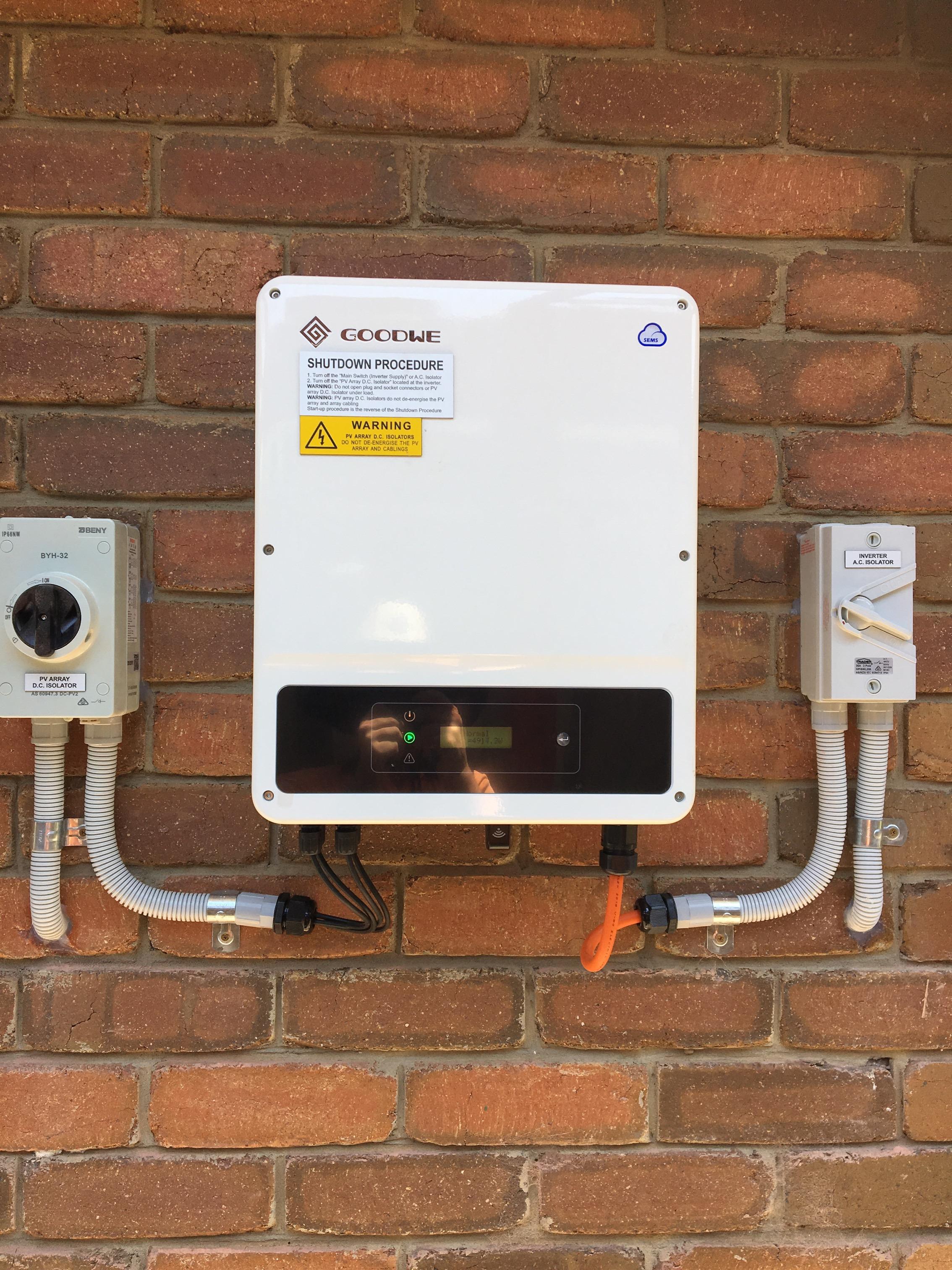
Look beyond the major boxes. Ask what is included for mounting, protective equipment, monitoring, cabling, electrical-board changes and any backup-circuit work. If either installer proposes a substitution because equipment availability changes, agree that it requires a revised specification and your acceptance. An equipment schedule gives you something concrete to check at handover.
Compare the assumptions behind savings
The US Department of Energy’s homeowner guide identifies consumption, system output, sunlight, electricity rates and export compensation among the factors affecting savings. Those general variables are relevant here, while US financing and incentive details are not Philippine offers. [1]
Ask both installers to use the same household load information and dated tariff assumptions. Separate electricity consumed directly from electricity exported under an approved arrangement. Request monthly production estimates and an explanation of shade and loss assumptions. If one quote shows markedly higher savings, ask which input causes the difference. A forecast is more useful when you can see and challenge the assumptions.
Find the costs outside the box
Check for roof repairs, structural work, utility-related charges, permits, access equipment and taxes. Some may be included; some may depend on the survey or approval process. The important point is that each is explicitly allocated rather than silently assumed.
Ask what events can change the price and how changes will be authorised. Compare payment milestones with meaningful project stages: procurement, installation, testing and the agreed handover. Where an external approval affects operation, have the proposal describe that dependency. A tidy total becomes less useful if the contract leaves the customer and installer with different ideas of when the job is complete.
Read warranties as separate promises
A module product warranty, a module performance warranty, an inverter warranty, a battery warranty and an installation workmanship warranty cover different things. Put each promise beside the party responsible for honouring it and the exclusions that matter to your property.
Ask practical questions: who investigates a fault, who arranges roof access and whether labour or transport is covered. What records must you keep? Is scheduled service a condition? Avoid treating a long component warranty as a guarantee that the entire system will operate without cost for that same period. Lightning Energy’s applicable commitments should be confirmed in the actual written quotation and contract.
Define what you receive at completion
US DOE commissioning guidance includes system documentation and testing as parts of a commissioning plan. Those are useful procurement principles; the applicable Philippine inspection and approval requirements still need to be identified for your installation. [2]
Ask for the final equipment record, operating instructions, monitoring access, test results and service contacts. If backup is included, request an explanation and demonstration appropriate to the installed design. Then compare the two offers again. The better proposal is the one whose scope, assumptions and responsibilities you understand well enough to make an informed decision—not necessarily the one with the most pages or the most optimistic chart.
Sources & further reading
Sources used for this guide. Policy and product details should be checked for your particular installation.
- US DOE — Homeowner’s Guide to SolarAccessed 20 September 2026
- US DOE — Install and Commission a Photovoltaic SystemAccessed 20 September 2026