Across Asia
India’s Rooftop Solar Programme: What Helps Households Say Yes?
India’s rooftop programme shows that solar adoption involves much more than equipment. Clear applications, capable installers and dependable support all matter.
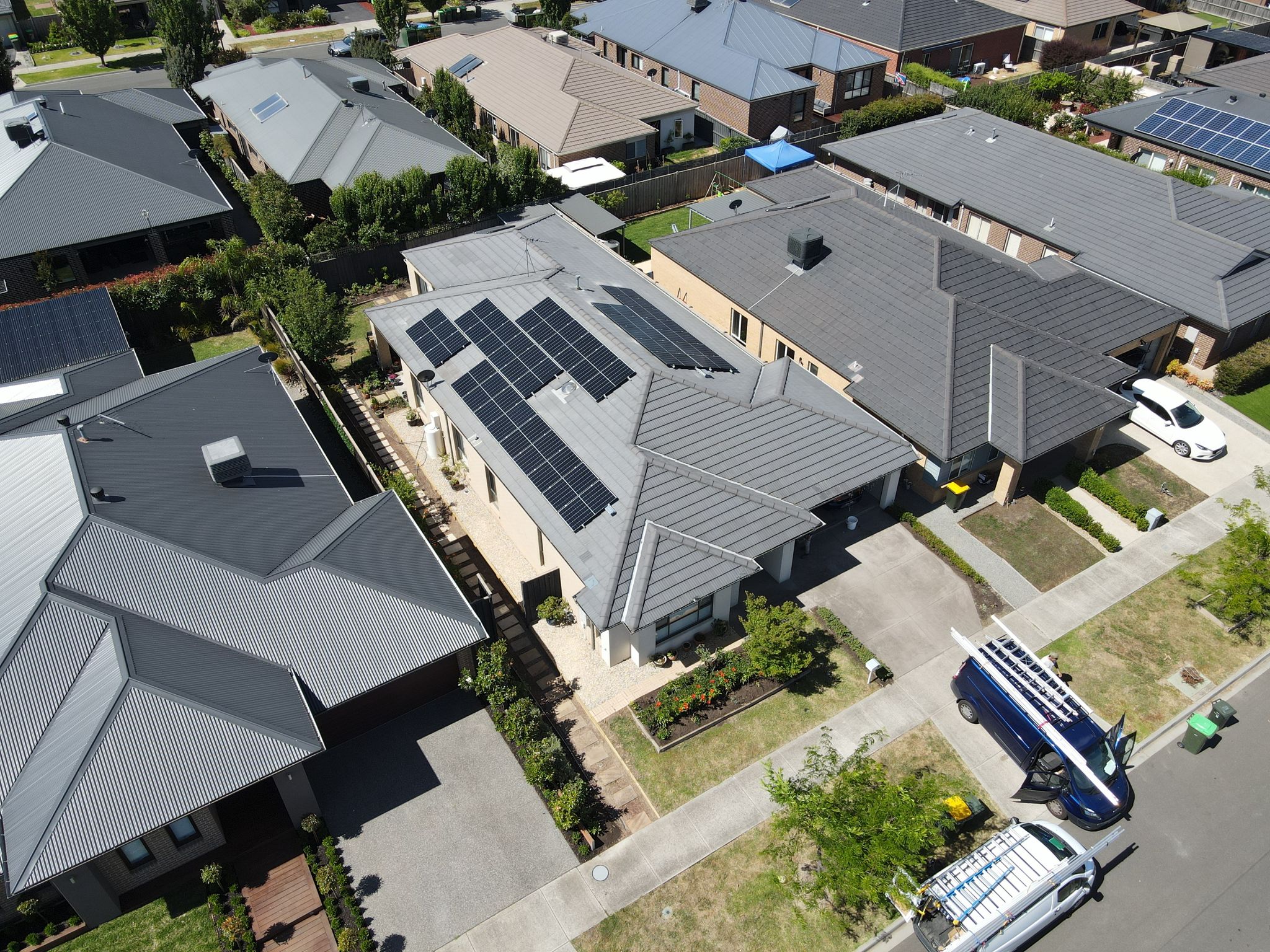
A family can like the idea of solar and still postpone it. The roof may be ready, but the next steps feel unclear: which documents, which installer, which approval and who helps if something goes wrong?
India’s PM Surya Ghar programme is an interesting case study because it addresses several of those steps together. For Philippine households, its most useful lessons concern the customer journey. Its subsidies and other financial terms are Indian policy, not offers available here.
A dated snapshot of India’s programme
India’s Ministry of New and Renewable Energy reported on 25 March 2026 that the programme had added approximately 9.57 GW of rooftop capacity since its February 2024 launch, using data to 20 March 2026. The same release described an online application process, vendor registration, workforce training, utility coordination and a grievance mechanism. These are government-reported programme results and measures. [1]
That breadth is worth noticing. Installing equipment is one stage in a longer process that starts with understanding the offer and continues into system ownership. A large deployment number becomes more meaningful when we also ask how households move through those stages and receive support along the way.
Make the next step visible
Here is a practical test for any solar buying process: after each conversation, can the customer explain what happens next, who is responsible and what information is needed? If not, a technically sound proposal can still leave the household unsure how to proceed.
For your own project, request a short written sequence from assessment to commissioning. It should identify decisions you make, documents you supply and steps handled by other parties. Keep estimated durations separate from guaranteed commitments. An easy-to-read checklist can reduce confusion without pretending that roof work, utility review and installation always follow the same timetable.
Use one set of facts throughout the purchase
A household may talk to a salesperson, surveyor, electrician and utility representative during a project. Our recommendation is to maintain one accessible project folder so that the same roof details, electricity account information and agreed equipment appear throughout those conversations.
Record changes in that folder. If the proposed inverter changes, ask for the revised model and the reason. If the roof assessment alters the layout, keep the updated drawing. Consistent documentation lets the homeowner compare the finished installation with the agreed scope. It also gives a future technician a clearer starting point when the original participants are unavailable.
Ask what capability means in practice
India’s programme release identifies vendor availability and training among its implementation measures. [1] For a buyer, the useful follow-up is to translate broad claims about expertise into project-specific questions. Who will assess the roof? Who checks the electrical design? Who supervises installation and commissioning?
Ask the provider to describe relevant experience and the responsibilities of the people involved. Request a clear handover demonstration rather than assuming an app login explains the entire system. A family should understand normal operation, any backup limits and whom to contact when something seems wrong. Simple communication is part of a useful service, not an optional extra after payment.

Support needs a route and a record
An aftercare promise becomes easier to evaluate when it describes an actual process. Consider a fictional homeowner who notices an unexpected monitoring alert on a Monday morning. Where should they report it, what information should they include and how will they receive an update?
Ask those questions before purchase. Keep support contacts with the system documents and distinguish installation support from manufacturer warranty claims. If response times are important to you, have the proposed terms written down. Do not assume that a general claim of support establishes a particular response time, free site visit or replacement arrangement.
Bring the process lesson to the Philippines
Foreign adoption programmes can offer ideas without supplying local rules. Indian subsidy levels, eligibility, loan terms and approval arrangements should not be used to calculate a Philippine household’s project. Your utility, site, contract and current local requirements determine that discussion.
What you can use immediately is a more organised buying approach. Gather recent bills, identify daytime electricity use and list the reasons you want solar. Then ask for an assessment, clear scope, approval sequence and handover plan. Kapag malinaw ang proseso, it becomes easier to make an informed decision. Solar made simple should describe the whole experience, from the first question to everyday ownership.
Sources & further reading
Sources used for this guide. Policy and product details should be checked for your particular installation.
- India MNRE/PIB: PM Surya Ghar rooftop solar progress and implementation measures25 March 2026; capacity data to 20 March 2026