Across Asia
Malalison Island: The Lesson Behind Round-the-Clock Power
Malalison’s documented hybrid-power story shows why energy access depends on the whole system: generation, storage, backup, operation and the people it serves.
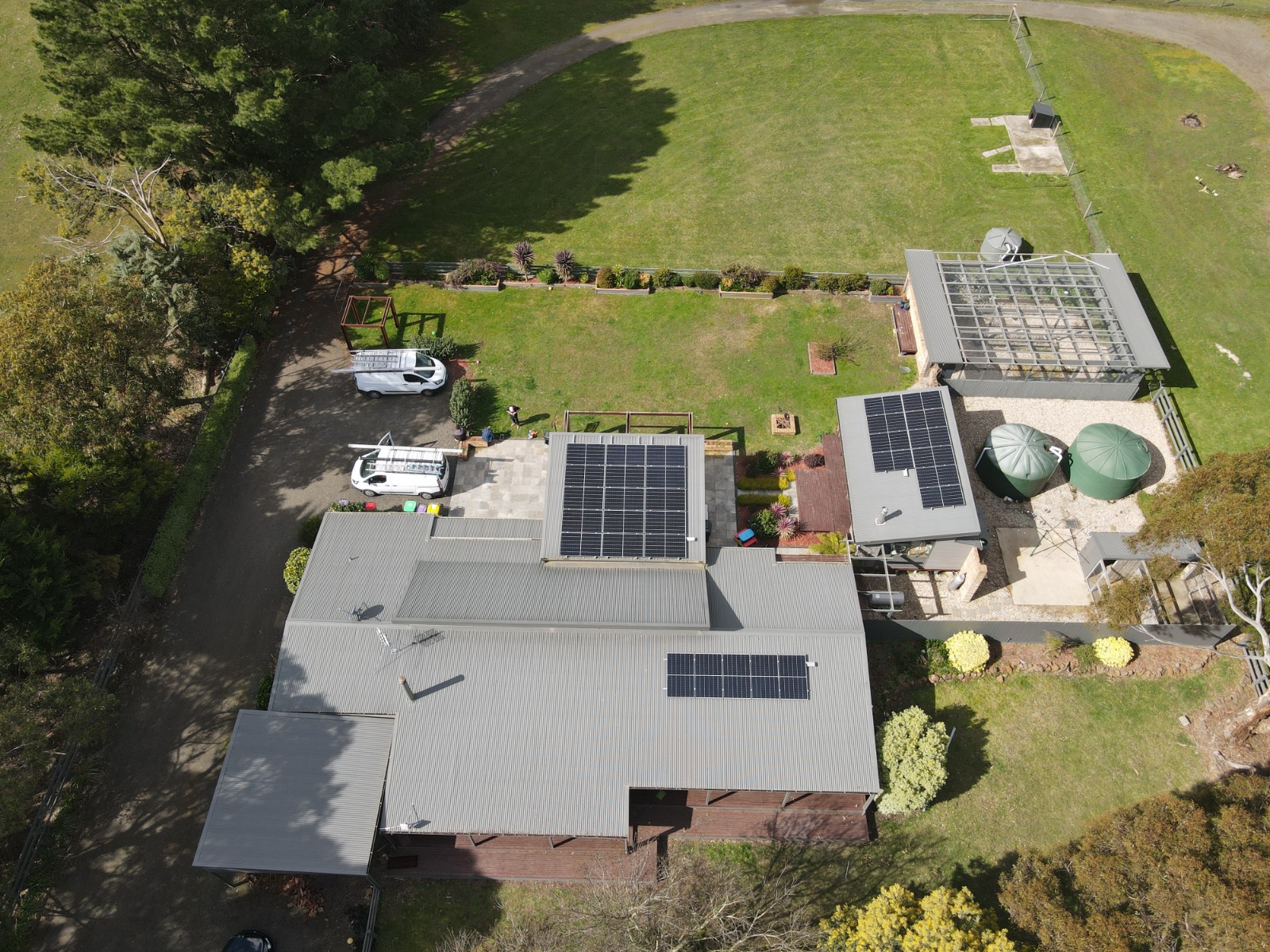
For a household with only a few hours of electricity each day, reliable access changes the daily timetable. Refrigeration, evening study and running a small business become different decisions when power is available for longer.
Malalison Island in Antique offers a Philippine case study worth understanding. The lesson extends beyond solar panels: a community power system succeeds when its equipment, operation and service arrangements work together.
What ADB documented
In a March 2025 account, ADB described Malalison’s transition from roughly four hours of daily diesel-generated supply to round-the-clock service through a solar, battery and diesel hybrid. The account identifies Antique Electric Cooperative and One Renewable Energy Enterprise as the project joint-venture participants, with ADB technical assistance and National Electrification Administration support. This is their project, not a Lightning Energy installation. [1]
ADB also described changes in everyday opportunities, including refrigeration and homestay services. Those observations belong to that documented community experience. They do not establish guaranteed business income or an identical outcome for another island. The meaningful question is how a different community would define and support its own service needs.
A hybrid is a coordinated system
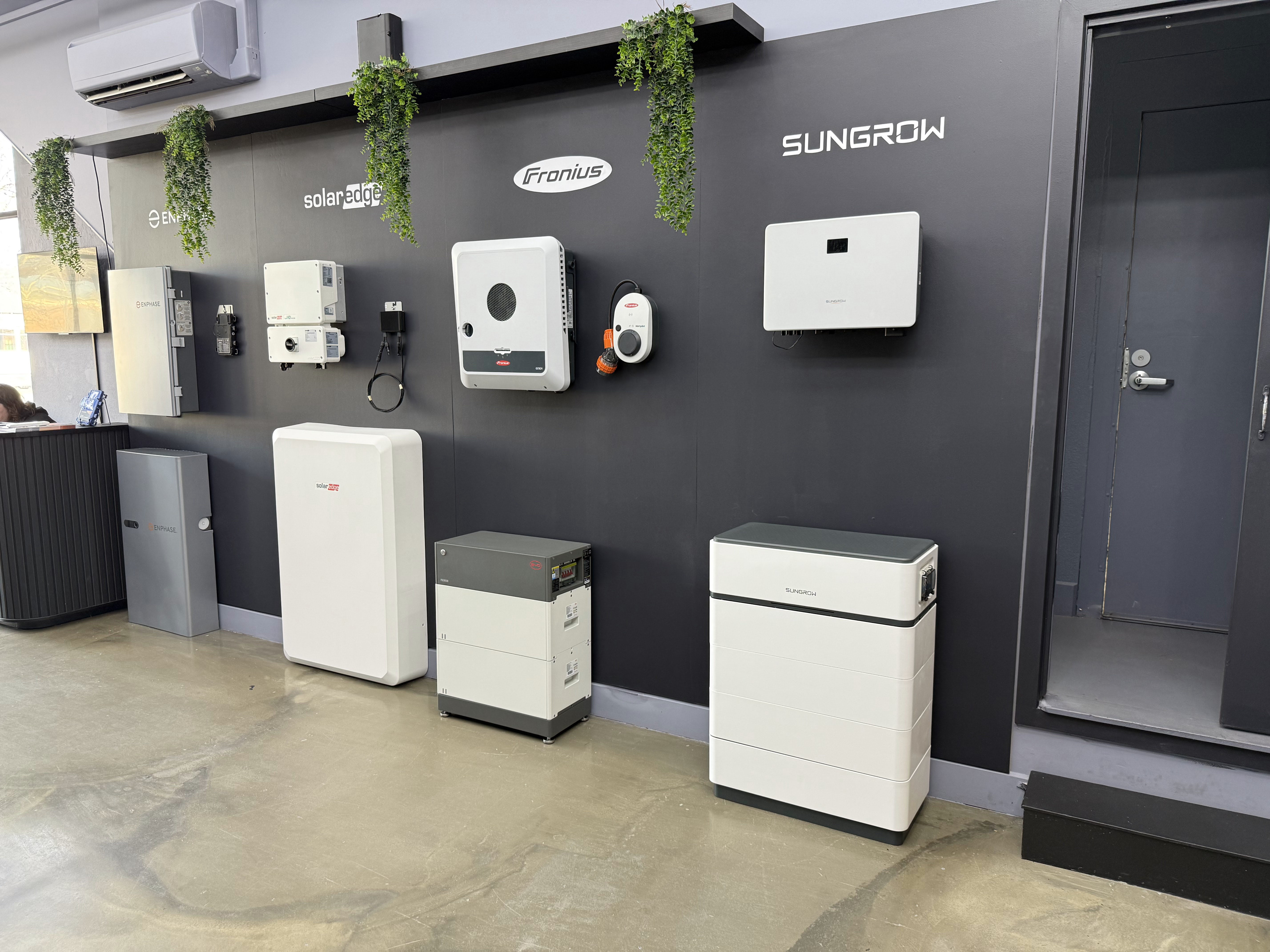
The Malalison example combines different resources instead of asking one component to perform every task. Solar generation, stored energy and backup generation have to be coordinated with the demand they serve. A project description that lists equipment without explaining operation leaves an important gap.
For an early project brief, ask for a plain-language account of an ordinary day, an unusually busy evening and a period of poor solar generation. Which source supplies the demand? What triggers a change in operating mode? Who can respond to an alarm? These questions make the design understandable to the people who will depend on it.
Define the service before counting panels
Imagine a fictional island business planning more guest rooms. The existing electricity bill is helpful, but it cannot fully describe future demand. More rooms may mean different cooling hours, additional refrigeration, water pumping and a larger evening peak. A useful brief explains those changes.
Separate must-run equipment from loads that can be scheduled or reduced. Record operating hours and the consequences of interruption. A light in a storage room and a refrigerator holding stock may use electricity at the same time but have different priorities. The design discussion becomes clearer when the owner can explain the service requirement before asking for a system size.
Someone has to operate tomorrow’s system
Installation day is the start of a long operating responsibility. For a remote project, our suggested planning exercise is to follow a hypothetical equipment fault through the full response: detection, communication, diagnosis, access, spare parts and return to service. Assign each step to a named party.
Include routine checks and consumables in that discussion. Clarify how staff are trained, where operating records live and how responsibilities change when personnel leave. The same approach helps a small resort and a community operator, even though their legal arrangements and technical requirements may differ. A clear maintenance budget is more useful than an assumption that equipment will look after itself.
Plan for demand to change
An electricity service that helps a business grow may eventually face new demand. Rather than treating expansion as an afterthought, ask the designer what can be extended, what would require replacement and which parts of the electrical infrastructure limit growth.
A simple scenario table can compare today’s operation, a modest increase and a larger expansion. Keep those scenarios separate from the initial purchase scope. This avoids paying for an imagined future without analysis, while making it harder to overlook foreseeable needs. Review actual consumption after commissioning so later decisions use evidence from the site.
The practical lesson for homes and resorts
Malalison is an energy-access story, not a universal household package. A grid-connected home seeking essential-load backup faces a different brief from an island mini-grid supplying multiple customers. The shared planning principle is to define the service and test how the entire system supports it.
If your concern is brownouts, prepare an essential-appliance list and desired operating hours. If you manage a remote business, add seasonal demand, access constraints and the people available to operate equipment. Discuss those facts with appropriately qualified specialists. Mas malinaw ang plano when everyone understands what reliable service means before choosing panels, batteries or backup generation.
Sources & further reading
Sources used for this guide. Policy and product details should be checked for your particular installation.