Bills & savings
Net Metering sa Pilipinas: From Application to Your First Bill Credit
Understand the journey from a solar proposal to recognised export credits, with a clearly labelled Meralco example and practical questions for your installer, utility and LGU.

Net metering lets eligible customers use their renewable electricity and receive bill credits for excess energy delivered to the distribution grid. The installation and the enrollment process need to work together: panels on a roof do not automatically mean exports are approved or credited.
This roadmap uses Meralco's published process, checked on 20 September 2026, as an example. Other distribution utilities and local government units may have different forms and implementation details. Start with your own utility's current checklist and ask who is responsible for each step.
Set the connection plan before ordering equipment
Tell the installer that you want an approved export arrangement, and ask whether the proposed design fits the applicable pathway. Also check that the service account and applicant details are consistent with the utility's requirements. Sorting out an account-name issue early is easier than discovering it when everything is ready for commissioning.
Separate three dates in your project plan: physical installation, permission for the intended operation, and the start of credited exports. Ask the supplier to explain the dependencies between them. A promised installation week is not the same as a guaranteed date for your first net-metering credit.
Create one application file and assign an owner
Meralco's current process lists an application, an LGU Certificate of Final Electrical Inspection, a net-metering agreement and the applicable ERC compliance-application payment among its requirements. It also points applicants to a document checklist and allows additional supporting information where needed. [1]
Keep digital copies of everything submitted and record the submission date, reference number and contact person. Agree whether you or the installer handles each document, signature and follow-up. If application assistance is part of the quotation, ask what it includes. Clear ownership prevents a project from stalling because each party assumes someone else has filed a form.
Leave room for the technical assessment
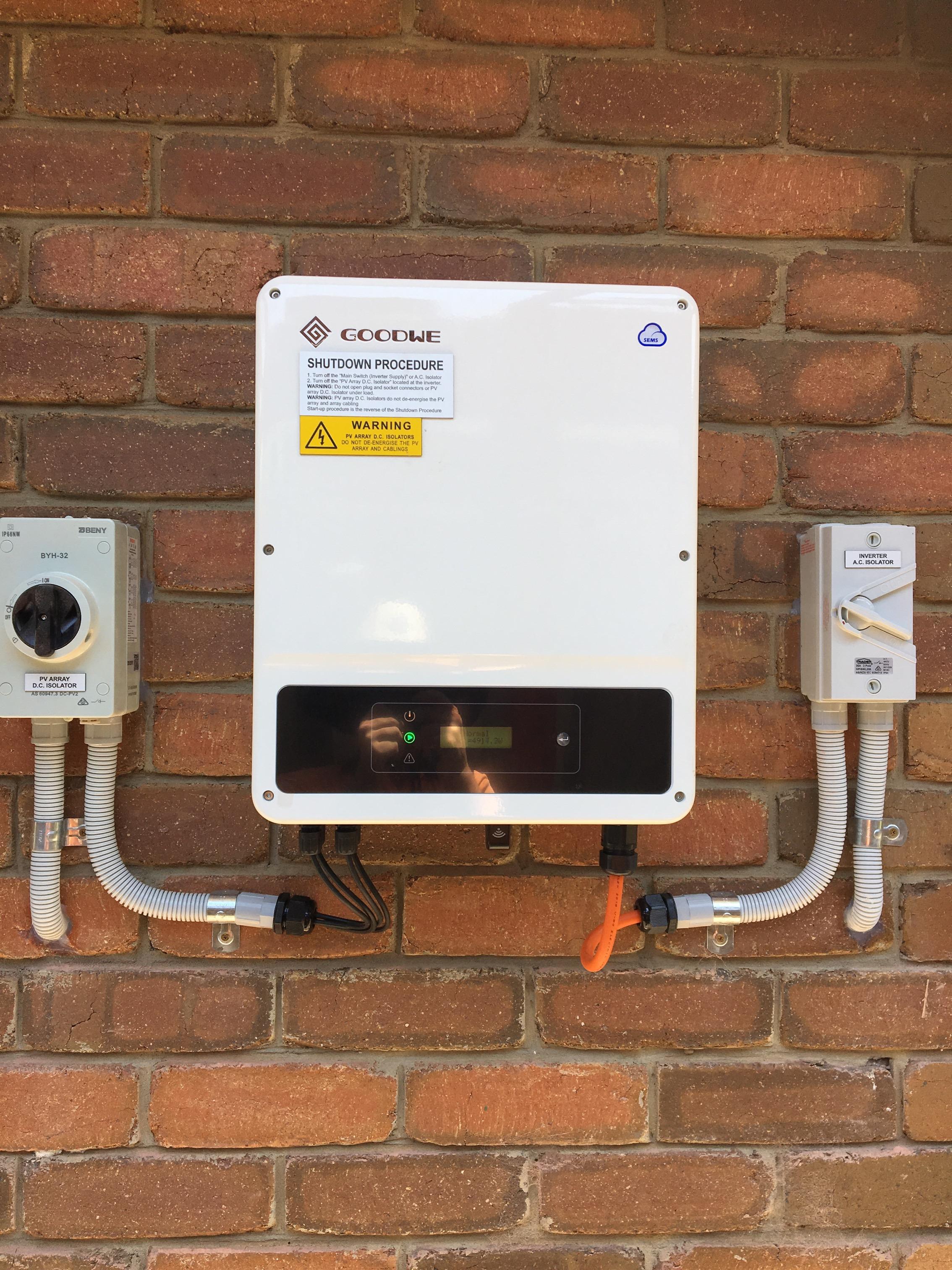
The utility needs information about the proposed equipment and connection. Meralco describes a distribution-impact assessment, with a further asset study if network upgrades are needed. [1] Ask the installer to explain the implications of the actual assessment for your design and budget.
This is a useful point to check that the panel and inverter models in the paperwork match the equipment being supplied. If a component changes after the application, ask whether the documents need updating before work continues. A substitution that looks equivalent in a quotation may still affect the technical information on record.
Coordinate the LGU inspection and site readiness
Meralco says the LGU-issued final electrical inspection certificate is submitted after inspection of the service entrance and before meter replacement, where applicable. Local documentary requirements can differ. [1] Contact the relevant LGU early so the required professional documents and inspection arrangements are understood.
Make a readiness list with the installer: access to the meter area, completion of any agreed service-entrance work, equipment labels and availability of the required plans. Ask who will attend inspections and handle corrections. Treat an inspection finding as a specific task to resolve and document, rather than assuming an appointment itself means approval.
Know what the meter and commissioning establish
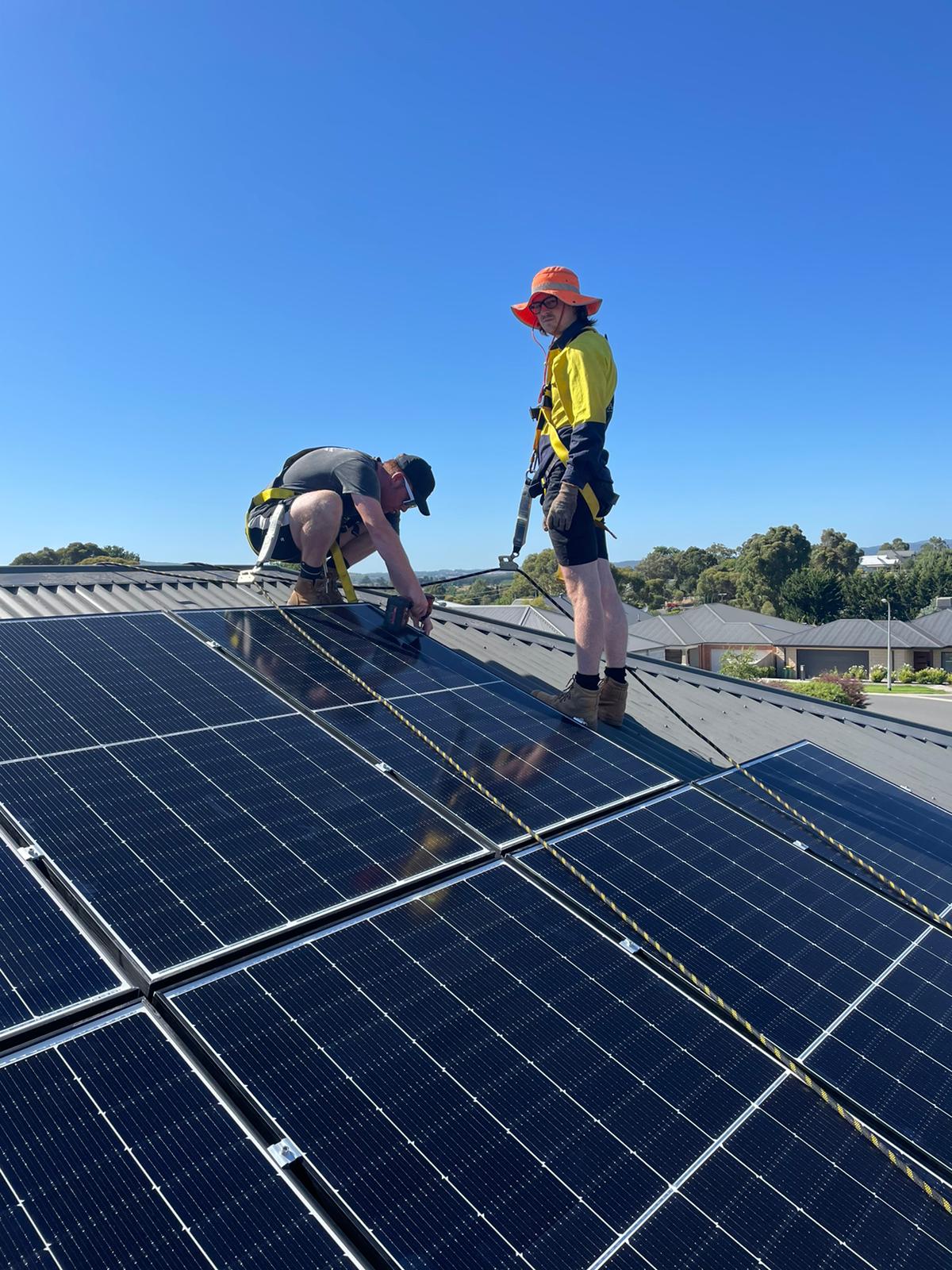
The published Meralco process includes a bidirectional meter and testing of the interconnection. A separate Renewable Energy Certificate meter is optional under its current guidance, with a waiver arrangement where applicable. [1] Confirm the arrangement and charges for your installation instead of relying on an old checklist found online.
Ask for a written record when commissioning is complete. The handover should explain the approved operating mode and who can change protected settings. Do not ask a household member to bypass export controls while waiting. The installer should demonstrate the agreed system operation and explain how to recognise a warning or an unexpected shutdown.
Check the first credited billing period carefully
Meralco says credited exports begin from successful testing and commissioning, after the applicable requirements are fulfilled, and appear in the following billing cycle. [2] A partly enrolled billing period may therefore look different from a full month of normal operation.
Compare the dates on the commissioning record, the electricity bill and your monitoring report. Remember that inverter generation and metered exports are different quantities: some solar is used inside the home before it can reach the grid. If a figure seems wrong, gather the dated records and ask the utility or installer to reconcile them before drawing conclusions.
Keep the paperwork useful after approval
Store the final equipment schedule, approved documents, commissioning record, warranties, service contacts and monitoring access together. This file becomes valuable when you need support, change equipment or transfer responsibility for the property. Ask whether a future battery or array expansion would require updated utility coordination.
The DOE's September 2026 implementation update highlights continuing work on procedures and stakeholder coordination. [3] Keep using current official guidance as your project progresses. Bring your service address and bills to Lightning Energy Philippines, and ask for a proposal that makes both the installation scope and application responsibilities easy to follow.
Sources & further reading
Sources used for this guide. Policy and product details should be checked for your particular installation.
- Meralco — Net-Metering Application ProcessAccessed 20 September 2026
- Meralco — Net-Metering Billing FAQsAccessed 20 September 2026
- Philippine DOE — Advancing Net-Metering Implementation3 September 2026