Solar basics
Why More Filipinos Are Choosing Rooftop Solar in 2026
Philippine rooftop solar is getting more attention. Explore the bills, equipment costs and policy changes behind the interest, then decide what they mean for your home.
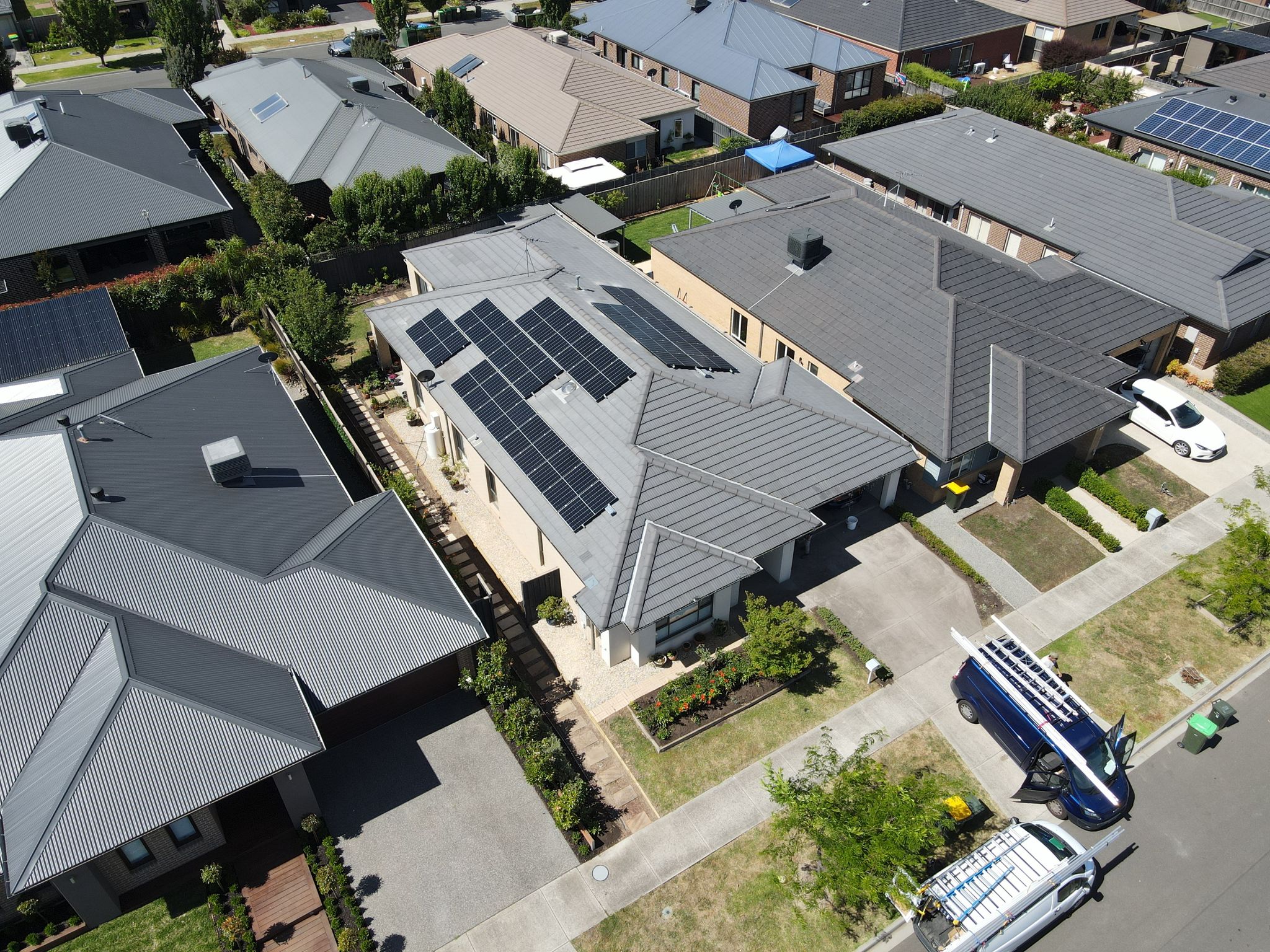
Solar has become a household budget conversation. A roof that once meant shelter and occasional repairs can also be considered as a place to produce electricity. For a family looking at another substantial power bill, that possibility deserves a careful look.
An AFP report published by ABS-CBN News on 5 August 2026 described households and businesses responding to electricity costs, outage concerns and cheaper panels. It also identified upfront funding and connection procedures as obstacles. [1] The next step is translating that story into questions about your own home: what you use, when you use it, and what a complete installation would deliver.
The attraction is a recurring household expense
Electricity is an expense that returns every month. A family can postpone some purchases, but refrigeration, lighting, work equipment and cooling continue to need power. Solar appeals because it offers a way to supply part of that existing demand from the property itself. It changes the conversation from finding money for the next bill to deciding whether an upfront investment fits the household.
The size of the bill is only the opening clue. Ask what makes it high. A larger family, more air-conditioning hours or a new home business creates a different situation from an unusually expensive billing month. Before discussing panels, separate consumption from the amount payable and identify which changes are likely to continue.
That also creates room for inexpensive improvements. Repairing an inefficient appliance or changing a wasteful routine may reduce the load that solar needs to serve. Tipid starts with understanding the demand.
Cheaper panels make the question more accessible
The equipment story has an international dimension. The International Energy Agency's August 2026 manufacturing analysis documents a substantial decline in global solar module prices over 2023–2025. [2] This is evidence of a broader manufacturing trend; it does not establish the price of an installed system in a particular Philippine barangay.
For a homeowner, the useful response is to revisit an old quotation with the same requirements. If you investigated solar several years ago, obtain a new assessment rather than assuming the earlier price or equipment list still applies. Ask what changed in the design as well as in the amount payable.
Keep the full purchase in view. Roof attachments, an inverter, electrical protection, installation work and support still have to be included. An inexpensive panel becomes useful household infrastructure only when the surrounding system suits the property. Compare complete offers before deciding whether the opportunity has improved.
Daytime routines can make solar feel practical
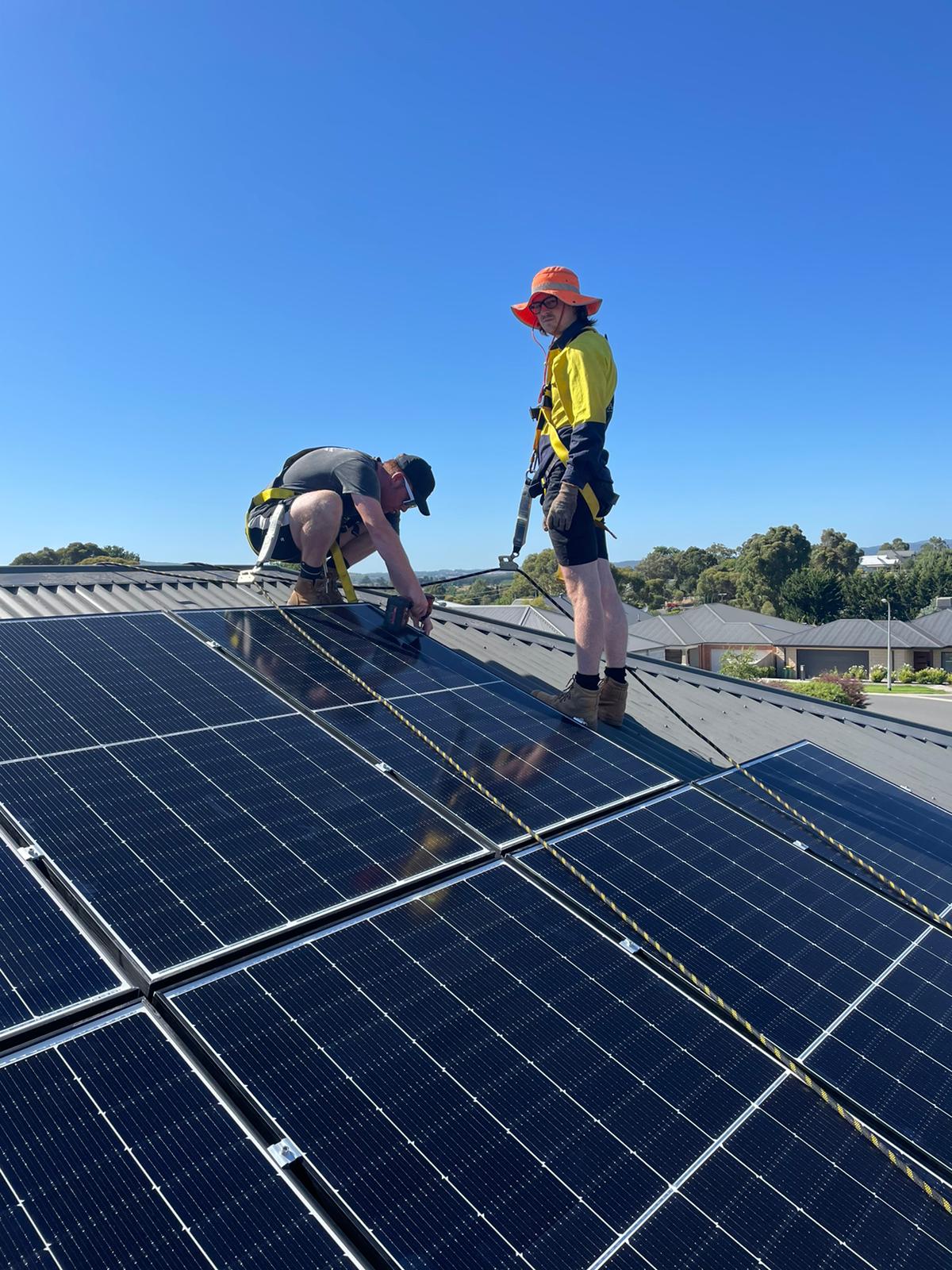
Consider two fictional households with similar monthly electricity use. One has a parent working from home, daytime cooling and laundry twice a week. The other is usually empty until early evening. Their roofs might receive similar sunshine, yet their immediate use of solar electricity could be very different.
For the first household, generation may overlap with activities already taking place. For the second, a proposal must look more closely at exports, any useful tasks that can move to daylight, or storage where its additional cost is justified. Neither household should receive a savings estimate based only on the monthly peso bill.
Make a rough weekday and weekend schedule before asking for a design. Note which tasks are flexible and which are fixed. Moving necessary washing to a convenient sunny period can make sense; adding unnecessary consumption to keep panels busy does not. The aim is useful electricity at a useful time.
Policy changes are addressing practical barriers
On 20 August 2026, the Department of Energy announced simpler rules for qualifying own-use solar under Circular DC2026-08-0017. The announcement distinguishes zero-export installations and smaller micro-solar systems, while retaining technical safeguards. These are specific pathways with conditions, rather than a universal exemption from requirements. [3]
A separate DOE update on 3 September described its Net-Metering Caravan, including discussions in Cagayan de Oro about applications, connection procedures and financing. [4] This shows attention to the practical work between wanting solar and operating a system.
For your project, ask the installer to identify the applicable pathway in writing. The document should explain who handles the utility notification or application, which local requirements apply, and when the system can operate. A clear allocation of responsibilities makes the process easier to follow and gives you something concrete to check with your distribution utility.
Producing electricity and exporting it are separate decisions
Using solar electricity at home reduces the amount that must be supplied from elsewhere at that moment. Exporting a surplus involves the utility connection and billing arrangement. Meralco's net-metering guidance describes a bidirectional meter and bill credits for surplus generation, while electricity needed beyond solar production is still imported. [5]
That distinction matters when someone describes a system as large enough to cover your monthly consumption. Monthly totals do not show whether generation and demand happen together. A home could produce substantial energy at midday and still require grid electricity each evening.
Ask to see the proposed energy flows separately: direct household use, expected exports, any storage, and unused or limited production. Then ask which rate is assigned to each benefit. Outside Meralco's service area, obtain the applicable explanation from your own utility or electric cooperative. A national solar story should lead to a locally checked proposal.
Interest in backup needs its own design conversation
Some households start with electricity costs and quickly raise a second priority: keeping essential devices running through a brownout. Ordinary grid-connected solar should not be assumed to provide that service. The US Department of Energy explains that solar systems generally shut down during a grid outage for safety; appropriate inverter configuration and storage enable the backup arrangements it describes. [6]
Start your own backup discussion with activities. Keeping the refrigerator, a few lights and a router available is a different brief from powering several air conditioners. Specify the circuits, likely outage duration and which appliances may start together. Ask what happens when stored energy runs low.
Treat the backup proposal as a separately explained feature, with its equipment and operating limits identified. That helps you decide how much value you place on continuity without hiding the extra investment inside a general claim about cheaper electricity.
A growing market still produces different household answers
Imagine three households considering the same promotion. The first owns a suitable roof and expects to remain for many years. The second rents and has no written permission for alterations. The third plans to replace damaged roofing soon. The advertisement is identical, but the sensible next action differs for each.
The first household may be ready for a detailed assessment. The renter needs to settle ownership, permission and responsibility for future removal. The household with roof work ahead should coordinate that work before committing to an array layout. These are ordinary project decisions that a nationwide growth headline cannot resolve.
Your budget also matters independently of the projected savings. Keep the payment schedule, essential household commitments and any financing terms visible. A system can be technically suitable while its timing is inconvenient. A worthwhile assessment should make that distinction easy to discuss.
Turn the 2026 interest into an informed next step
Build a short decision brief: your electricity history, daytime routines, roof plans, available budget and backup priorities. Add questions about utility coordination and after-sales support. This gives different suppliers the same starting information and makes their proposals easier to compare.
Ask each supplier to explain one realistic limitation as well as the expected benefit. Perhaps afternoon shade constrains one roof face, or a future extension changes the layout. Useful advice connects the system to those details instead of treating every roof as an identical opportunity.
Lightning Energy Philippines can help you work through the assessment and understand the choices. Quality solar, made simple means knowing why the recommended system fits your household, what the estimate assumes, and what has to happen before installation. The right result is a decision you can explain comfortably at your own kitchen table.
Sources & further reading
Sources used for this guide. Policy and product details should be checked for your particular installation.
- AFP via ABS-CBN News — High bills, cheap panels drive a Philippine solar surge5 August 2026
- International Energy Agency — Energy technology manufacturing is rebalancing in a dynamic era for trade and industrial policy3 August 2026
- Department of Energy Philippines — DOE Simplifies Rules for Own-Use Solar, Expands Access for Filipino Consumers20 August 2026
- Department of Energy Philippines — DOE Advances Net-Metering Implementation to Accelerate Rooftop Solar Adoption3 September 2026
- Meralco — Solar and Net-MeteringAccessed 21 September 2026
- US Department of Energy — Solar and Resilience BasicsAccessed 21 September 2026