Across Asia
From Silicon to Solar Panel: Asia’s Role in the Supply Chain
A solar panel’s journey includes several factories and processes. Understand the stages, then ask better questions about the equipment proposed for your roof.
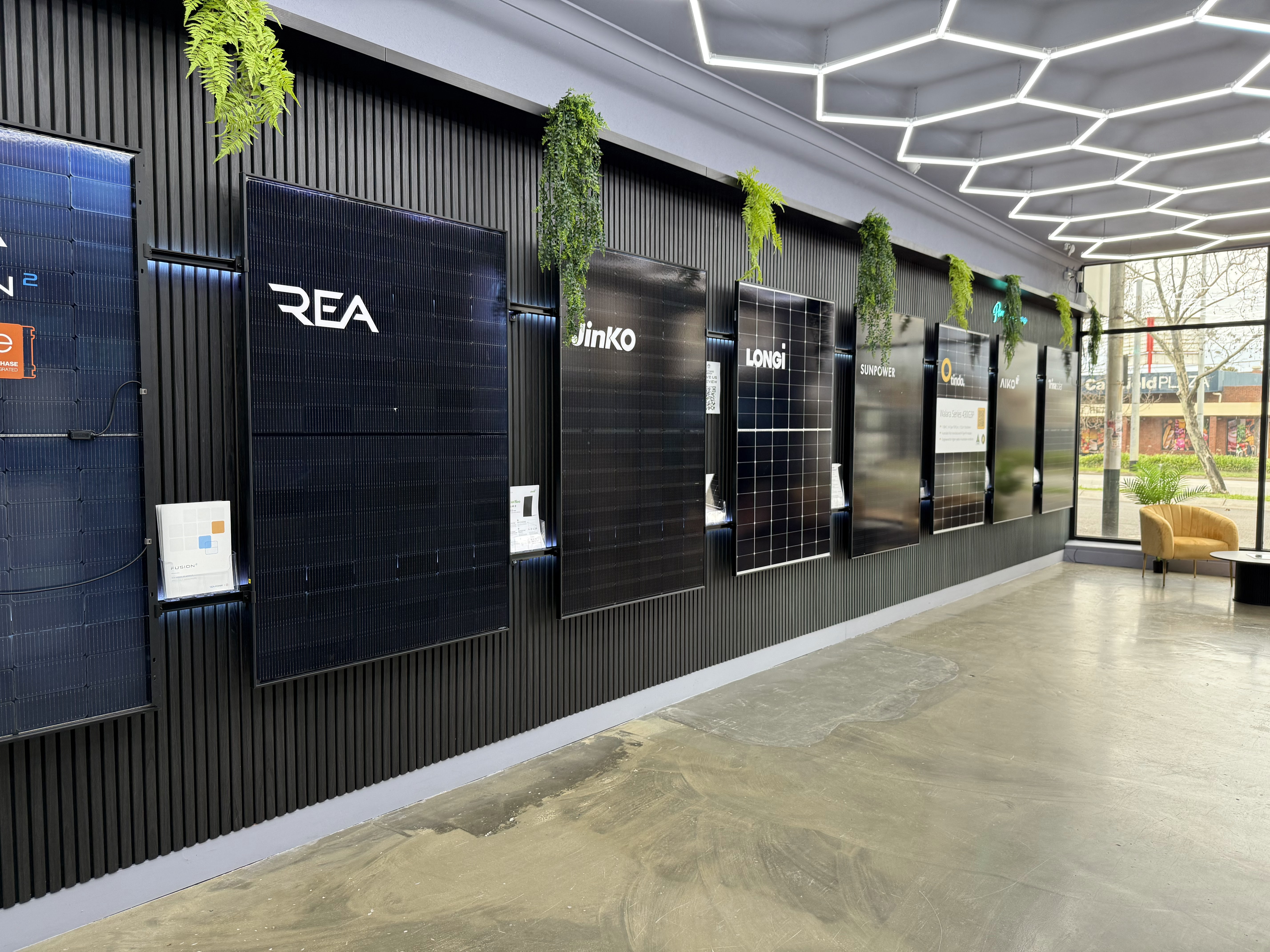
A solar panel looks like a single product when it arrives at a home. Before that, it has passed through a chain of materials, specialised manufacturing and assembly. The brand on the frame tells only part of that story.
Understanding the journey helps you read product claims more carefully. A company’s headquarters, the place where a module is assembled and the origin of its cells or silicon can be different facts.
The main stages of a silicon panel
The US Department of Energy describes the manufacturing sequence for crystalline-silicon modules: high-purity polysilicon is produced, formed into ingots and sliced into wafers. Wafers become solar cells through additional processing; cells are then interconnected and enclosed within a finished module. These stages can take place separately. [1]
An everyday comparison is a computer: the final assembly location does not tell you where every component originated. For a solar buyer, the practical question is therefore more specific than which country a brand comes from. Ask which manufacturer and exact model are proposed, and request the documentation relevant to that product.
Why Asia appears so often in the story
The IEA’s 2022 supply-chain report documented a major concentration of solar manufacturing in China and discussed trade links involving other Asian manufacturing locations. It linked the industry’s development to investment, policy, scale and innovation, while also examining concentration risks. Those observations describe the report’s historical evidence; its market-share figures should not be treated as a current 2026 ranking. [2]
This history explains why solar supply is a regional and global story. It does not establish that every product from one country has the same quality, or that a familiar headquarters address guarantees the origin of every part. Assess the specific product and its support arrangements.
Factory cost is not your installed price
IRENA’s February 2026 supply-chain cost tool examines materials, processing and assembly costs across manufacturing stages and selected countries. It allows users to modify assumptions where direct manufacturing data are difficult to obtain. Its outputs are analytical estimates, not quotations for a household installation. [3]
Your project involves other work: assessing the property, designing the system, installing mounting and electrical equipment, completing the agreed checks and providing the contracted handover. When comparing offers, ask what the total price covers. A low module price is useful information, but it cannot explain whether two complete proposals offer the same scope.
Traceability starts with exact identifiers
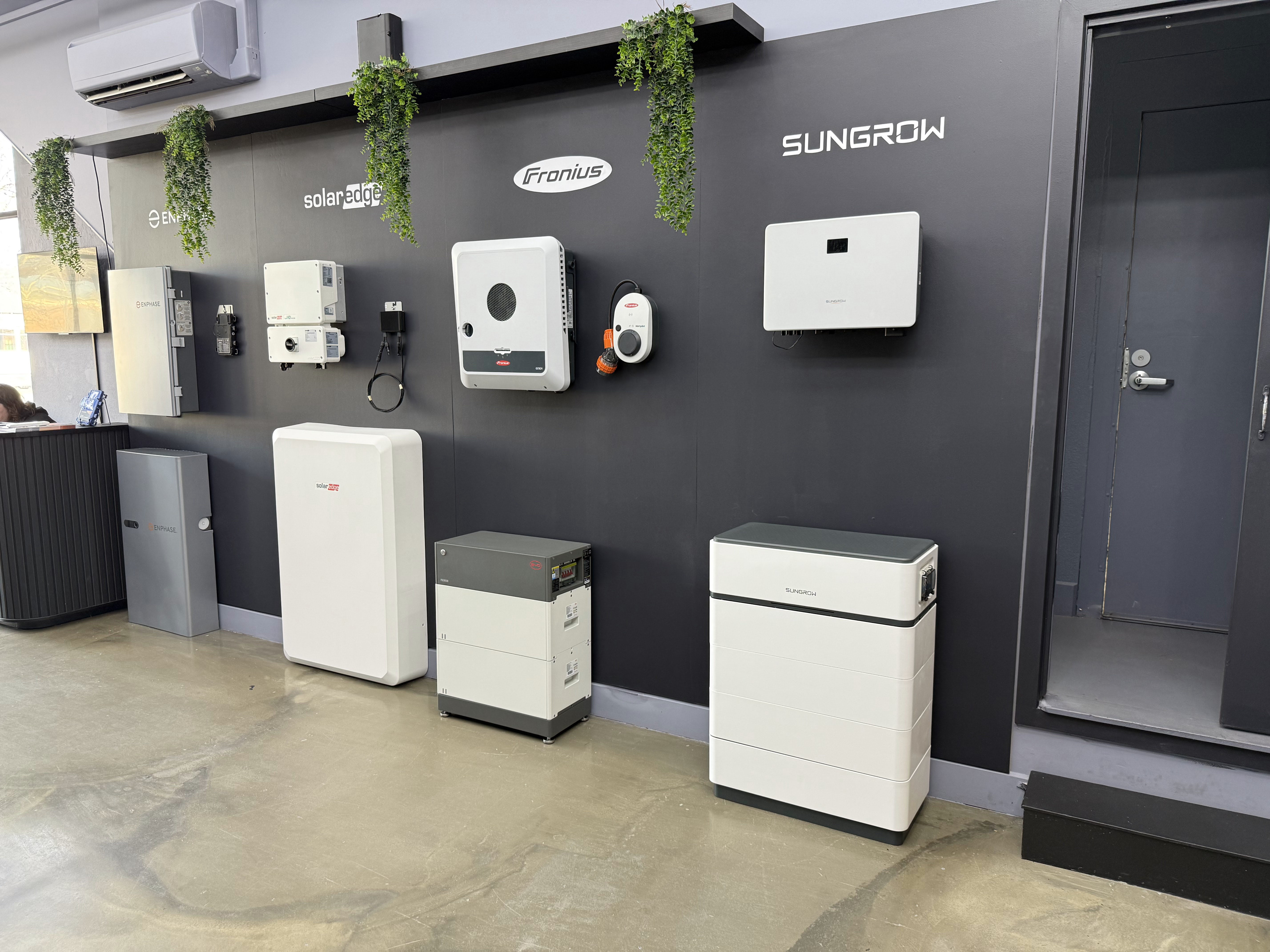
Our recommended purchasing habit is simple: replace broad labels with identifiers. A proposal should name the module model, inverter model and other major equipment clearly enough that the matching technical documents can be found. Keep approved substitutions equally specific.
At handover, retain the relevant serial-number records, invoices, warranties and commissioning documents. This creates a practical connection between the product described before purchase and the product installed. If a future service question arises, you should be able to identify the equipment without reconstructing a long chain of messages or relying on a photograph of a logo.
Ask about support as carefully as origin
A buyer may reasonably care where equipment is made. Add another question beside it: who will handle an issue after installation? The answer should describe the relevant installer and manufacturer responsibilities, the documents required and the process for a claim.
Consider a hypothetical replacement several years later. Ask how an unavailable model would be assessed for compatibility and who would arrange the work. You are not asking anyone to predict every future product. You are asking for a clear process and the actual written terms today. That makes origin information part of a broader ownership decision rather than the only deciding factor.
Keep the whole system in view
Panel manufacturing is impressive, but panels are one component of the installation you will own. Good equipment needs an appropriate layout, compatible electrical design, suitable mounting and a clear operating plan. Product selection and installation scope should be evaluated together.
For your next solar quotation, request an itemised equipment list and the corresponding documents. Ask the provider to explain why those products suit your property and how service responsibilities are handled. Hindi kailangang komplikado: know what is being installed, understand the assumptions and keep the records. That is a useful way to turn a global supply chain into an informed local purchase.
Sources & further reading
Sources used for this guide. Policy and product details should be checked for your particular installation.
- US Department of Energy: Solar Photovoltaic Manufacturing BasicsAccessed 20 September 2026
- IEA: Solar PV Global Supply Chains—Executive summaryJuly 2022
- IRENA: Solar PV Supply Chain Cost Tool—Methodology, results and analysisFebruary 2026