Across Asia
Solar Beyond the Roof: Irrigation, Cold Storage and Farm Work
Solar can support useful farm work as well as household electricity. Start with water, temperature and production needs before choosing the energy system.
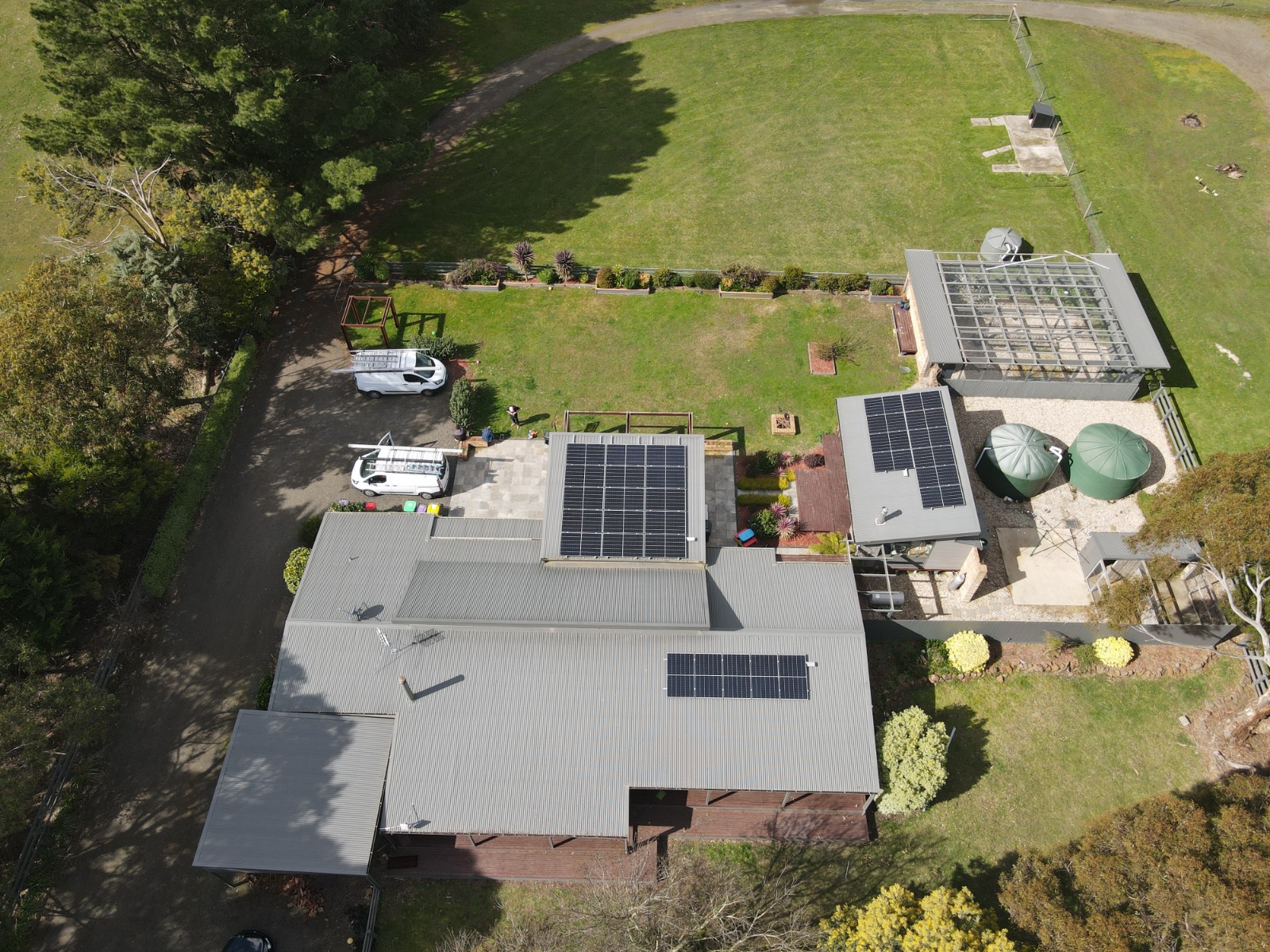
For a farm or food business, the value of electricity often shows up in a practical task: moving water, keeping produce cold or processing a harvest on time. Solar discussions become more useful when they start with that task.
Southeast Asia has examples across agriculture and fisheries, but one successful application does not create a universal farm package. Pumping, refrigeration and processing have different schedules, service requirements and risks.
Look at the productive use first
IRENA’s June 2022 report on Southeast Asian agriculture examines renewable energy as part of the sector’s wider development. It highlights the need to assess demand and the conditions that allow productive uses to succeed. Because this is a historical report, its programme examples should not be read as current grant availability. [1]
For an owner, the first brief can be very concrete. Describe what must move, cool, dry or run; how much work happens each day; and what goes wrong when the service stops. This turns a broad interest in solar into a problem that the appropriate agricultural and energy specialists can evaluate together.
For irrigation, water comes before panel count
A pumping proposal needs a water requirement as well as an electricity requirement. Start with the source, the volume needed, the delivery point and the operating schedule. Ask the irrigation specialist to establish the pumping duty and how it changes across the season.
FAO’s work on solar irrigation warns that cheaper pumping can encourage excessive groundwater extraction if water use is not managed. Solar does not make a water source unlimited. [2] Our practical recommendation is to include water measurement and an agreed irrigation plan in the project discussion. Assess tank or reservoir storage where appropriate, while leaving detailed sizing and water permissions to the relevant specialists.
Cold storage needs a temperature plan
A refrigerated room has a different purpose from a pump: it must maintain appropriate conditions for the product. The brief should cover the produce, incoming temperature, target storage conditions, loading pattern and expected opening of doors. Ask a qualified refrigeration designer to translate that into the required service.
A September 2021 ADB SEADS article described solar-related agricultural applications in Cambodia, including cold storage for fish products. It is a useful historical example of productive energy use, not evidence that every cold room can run continuously on a small solar array. [3] Any proposal should explain how the required temperature is maintained when solar output is insufficient.
Match the production calendar to the energy plan
A farm’s busy period may be very different from its quiet months. An average monthly electricity number can hide the days when pumping or processing is most demanding. Make a simple calendar showing planting, harvest, deliveries and other periods that change the workload.
Then ask the project team to compare the energy design with those periods. A fictional packing operation might process intensively for several weeks and lightly for the rest of the season. The owner should understand what that means for equipment utilisation and the expected benefit. Use site-specific records where available, and label estimates when the business is new.
Measure the outcome the business actually needs
Electricity generation is one useful measurement, but it does not completely describe an agricultural project’s success. Our suggested scorecard connects the energy system to the service: water delivered as planned, storage temperatures maintained, processing hours supported and maintenance issues resolved.
Choose measures the team can realistically record. Compare them with a baseline and consider other changes affecting the business, such as crop volumes, weather or market demand. Avoid crediting every improvement to solar. A transparent record is more useful for deciding whether to expand than a large savings claim with no explanation of what changed.
Prepare a focused agricultural brief
Before requesting equipment sizes, gather operating records, electricity or fuel costs, seasonal schedules and a description of the existing machinery. Include the people available for maintenance and the practicalities of reaching the site. State which activities can move to another hour and which cannot.
Ask providers to confirm the scope they are qualified to deliver, including any irrigation, refrigeration or agricultural engineering partners needed. This article does not imply that Lightning Energy offers every specialist agricultural installation. The broader principle is familiar: quality solar begins with the work you need done. Plan that work clearly, then choose an energy system that can support it.
Sources & further reading
Sources used for this guide. Policy and product details should be checked for your particular installation.