Solar basics
Solar + EV Charging: Planning a Home Setup That Fits Your Driving
Make your solar and EV plans work together by checking driving energy, parking hours, charger compatibility and the electricity the rest of your home needs.

An electric vehicle adds a new electricity need to the household, but it also adds a useful planning question: when is the car actually parked at home? That answer can matter as much as the size of the roof.
A car parked beside the house during daylight offers a different opportunity from one that leaves before sunrise and returns after dinner. Solar and EV charging can work together in either household, but the energy flow and economics will differ. Start with your routine, then choose equipment that fits it.
Estimate driving energy first
Use the vehicle’s actual or expected energy consumption and your normal driving distance. Keep ordinary commuting separate from occasional long trips. The aim is to estimate the energy you regularly need to replace, rather than assuming the full battery must be filled every evening.
For illustration, a hypothetical vehicle using 16 kWh per 100 kilometres would use 6.4 kWh over 40 kilometres. That multiplication describes energy used for driving under the stated assumption. Electricity drawn during charging will be higher once charging losses and relevant auxiliary use are included. Your own consumption can differ with the vehicle, route, speed, weather and air-conditioning.
Map the parking window
Write down the hours the car is usually available at home on workdays and weekends. Add the earliest time it must be ready to leave and the minimum charge you want before that departure. This turns a vague wish for solar charging into an operating requirement.
If the car is away during most solar production, daytime generation may serve household loads or follow the site’s approved export arrangement. Charging later is then a separate electricity purchase unless suitable storage is involved. Do not count daytime generation as if it physically travelled straight into a vehicle that was somewhere else. A clear proposal shows those paths honestly.
Choose the charger around the whole home
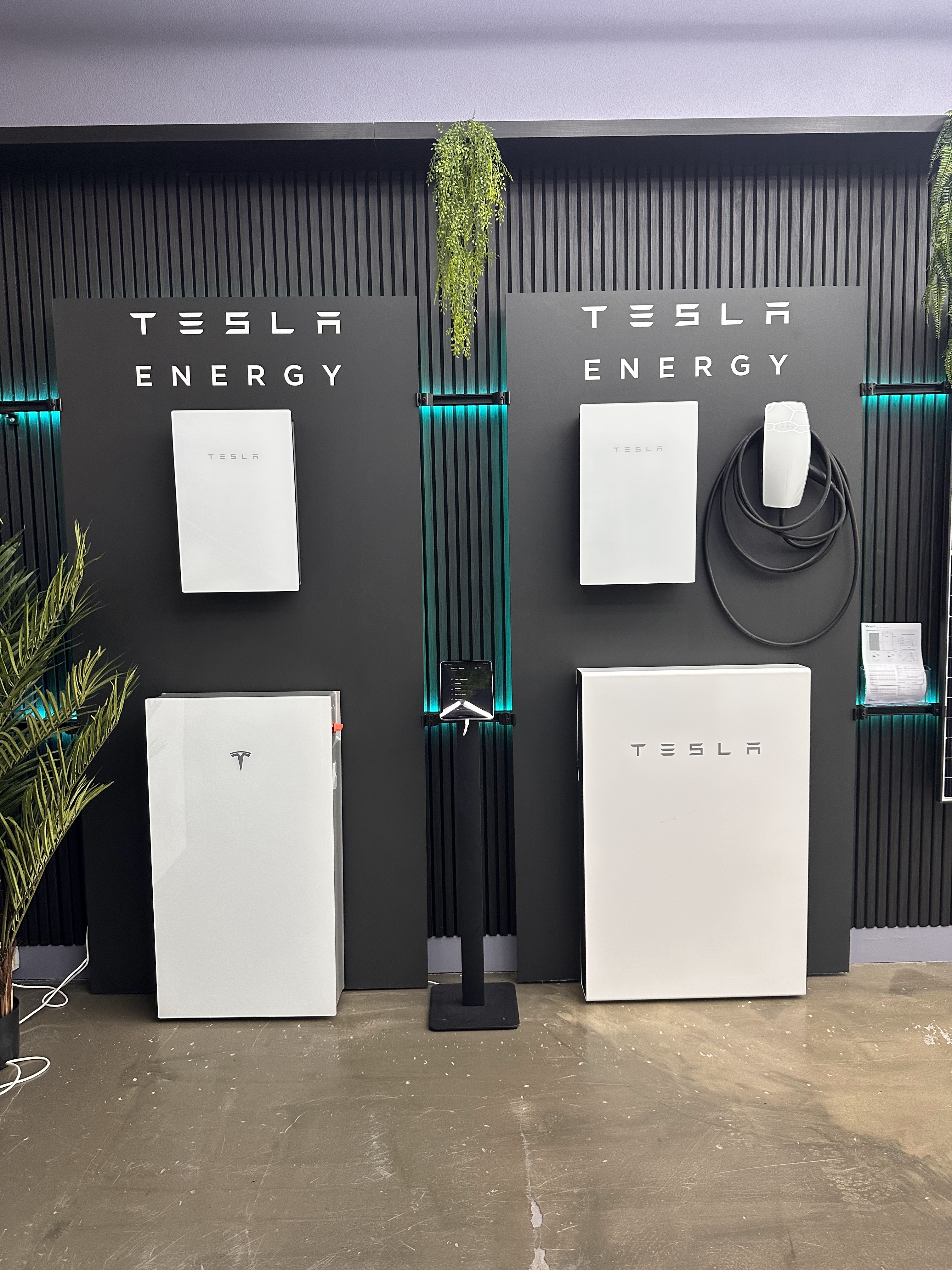
Vehicle compatibility, available electrical capacity and professional installation are central checks. The US Department of Energy’s home-charging guidance recommends consulting vehicle requirements and having electrical capacity assessed. Its US voltage categories and electrical-code references should not be copied as Philippine installation specifications. [1]
Ask the electrician to assess charging alongside aircons, cooking equipment and other substantial loads. A charger’s advertised maximum power is not a promise that your vehicle and supply can use it continuously. Confirm the connector, vehicle charging capability, supply arrangement, protective equipment and any load-management features for the exact proposed installation.
Understand what smart charging will do
Some charging systems can respond to schedules or measured surplus solar, but the feature must exist in the selected charger and work with the proposed metering and controls. Ask for a description of the actual behaviour, not simply the word “smart”.
Imagine a cloudy afternoon when the household is using most available solar. Will charging pause, reduce its rate or draw the difference from the grid? What happens if you need to leave sooner? Ask about minimum charging power, communications requirements and manual overrides. A useful setup should make the tradeoff between departure readiness and solar use understandable to the driver.
Consider storage as a separate decision
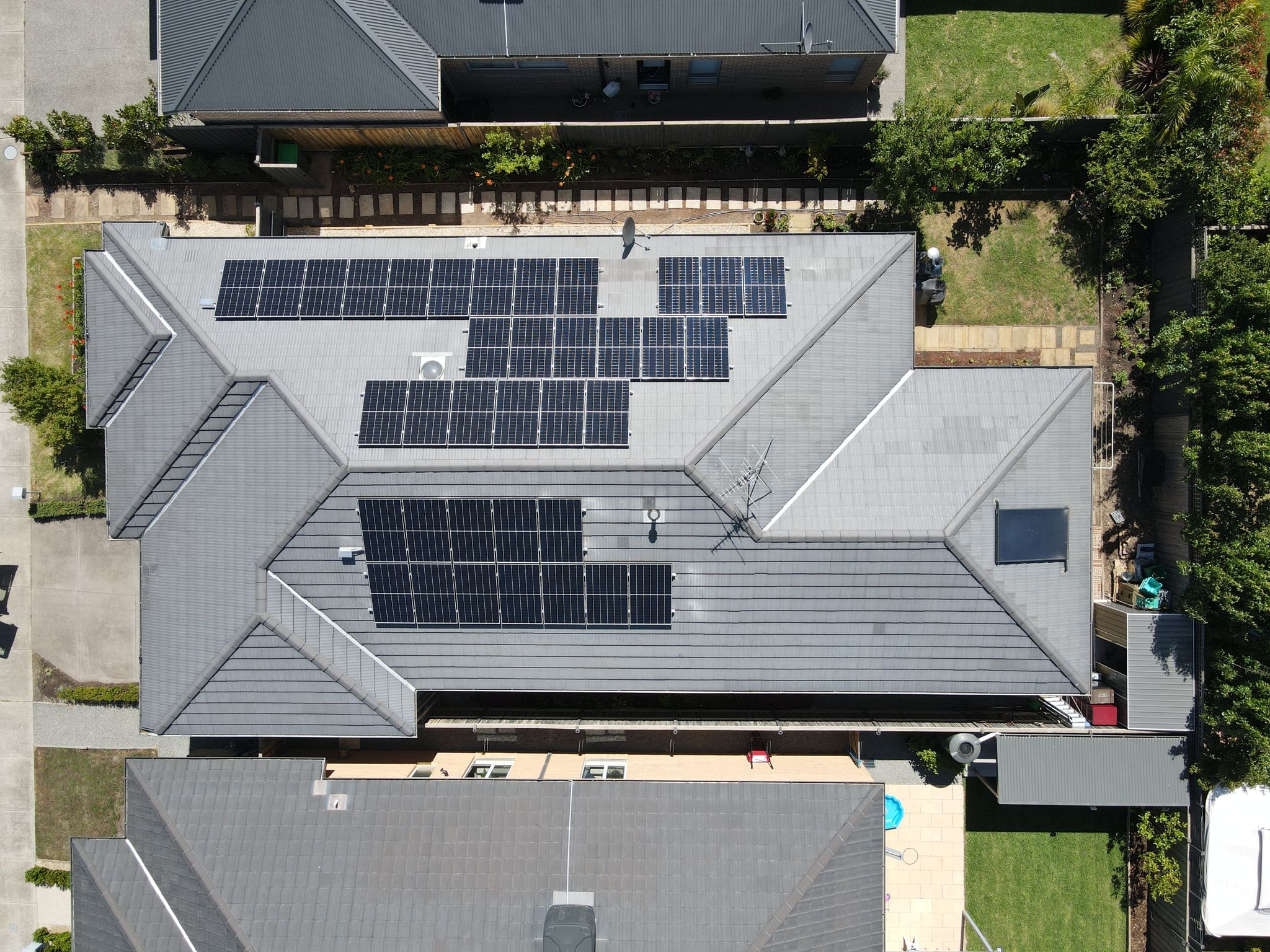
A home battery may shift some daytime energy into the evening, but that adds equipment cost, conversion losses and another limited store of energy to manage. Charging an EV can also compete with household backup reserves. Include both uses in the assessment if both matter.
Avoid assuming that owning an EV automatically makes it a home backup battery. Supplying a house from a vehicle requires specific vehicle capabilities, compatible equipment and an approved design. For your initial plan, ask separately what powers the house during a brownout and whether vehicle charging continues. The answer should be based on the installed system, not a future feature mentioned in a brochure.
Bring a practical charging brief
Prepare the vehicle model, normal daily kilometres, parking schedule, existing electricity bills and photographs of accessible parking and electrical equipment. Tell the assessor whether you are buying the EV soon or simply preparing for one. Include plans for a second vehicle if that is a realistic possibility.
Ask Lightning Energy to compare a normal workweek and a weekend using explicit assumptions. Keep the expected solar contribution separate from grid charging and any battery contribution. Quality solar, made simple means a home-energy plan that fits your driving life—and a car that is ready when you need it.
Sources & further reading
Sources used for this guide. Policy and product details should be checked for your particular installation.
- US DOE Alternative Fuels Data Center — Charging Electric Vehicles at HomeAccessed 20 September 2026