Care & performance
After Installation: A Simple Solar Care and Monitoring Plan
Keep your solar system easy to own with a clear handover, useful monitoring habits and a maintenance plan suited to your equipment, roof and local conditions.
Installation day is a milestone, but ownership lasts much longer. A solar system should come with more than a working app and a photograph of the roof. You need to know what was installed, what normal operation looks like and who to contact when something changes.
The aim is a manageable routine, hindi dagdag-stress. A few well-chosen checks can help you notice problems early without turning your household into a control room. Here is a practical owner’s plan to agree with your installer.
Make the handover useful
Request a digital folder containing the final equipment list, serial numbers, warranties, approved drawings where applicable, commissioning records and the relevant operating instructions. Keep the installer’s service contact and manufacturer support information together.
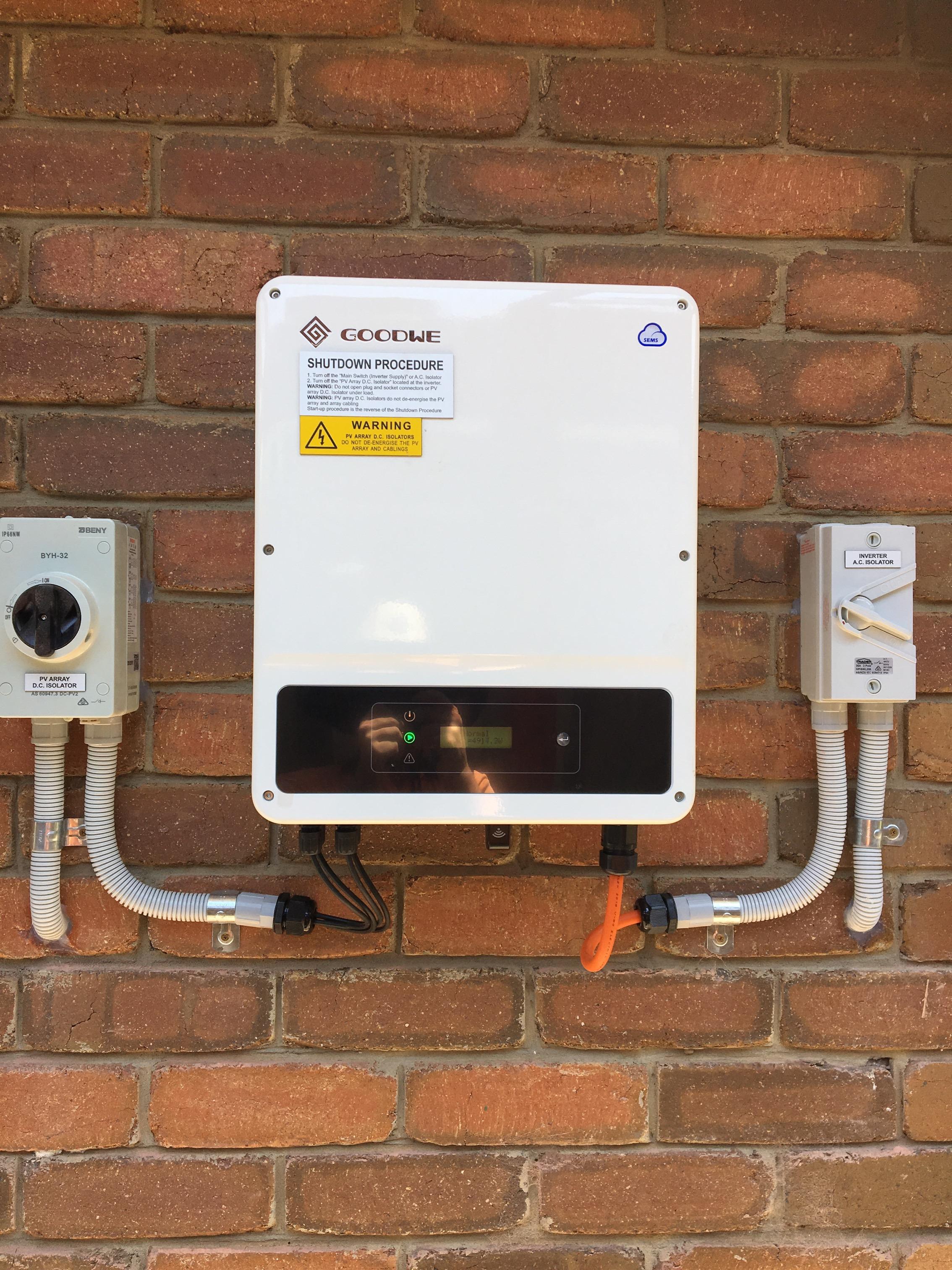
Ask for a short demonstration using your actual system. Have the installer explain the normal status indicators, the approved shutdown instructions and any backup-circuit limitations. If more than one adult may need the information, include them in the handover. Write down questions while the installer is present; remembering what an unfamiliar symbol means is much harder three months later.
Learn what the dashboard measures
A generation graph is not necessarily a complete household electricity graph. Ask which measurements are available: solar output, home demand, grid imports, exports and battery charging. Some information needs additional metering, so verify what is installed rather than assuming every app displays the same data.
Try a simple reading exercise during the handover. Point to today’s kWh total and ask how it differs from the instantaneous kW number. Then locate the date, time zone and last update. A stale dashboard can look like stopped production. Keeping those basic checks in mind makes a service enquiry more precise and helps distinguish a communications problem from an equipment concern.
Build a realistic baseline
Keep the commissioning results and early operating data. IEA PVPS’s extreme-weather guidance stresses the value of preserving baseline records and comparing electrical performance with weather information when investigating later damage or deterioration. [1]
For your own routine, note unusual events beside the data: a grid outage, an internet failure, several heavily overcast days or a change in household occupancy. Compare like periods where possible. A single cloudy afternoon is a poor test of annual performance. If output remains unexpectedly low across comparable conditions, send the installer the dates and screenshots rather than trying to diagnose the roof yourself.
Agree on service around the site
IEA PVPS’s climate-specific maintenance guidance treats heat, humidity, rain, wind and other environmental conditions as relevant to maintenance planning. It does not support one universal schedule for every rooftop. [2]
Ask your installer for a written plan based on the equipment instructions and property conditions. What should be inspected, by whom, and how will findings be recorded? If cleaning is recommended, clarify the method and safe access arrangements. A dusty road, nearby trees or difficult roof access may change the plan. Keep service reports in the same folder as the original handover, so a future technician can see what has already been checked.
Know when to leave it to professionals
Owner observations can be made from safe, accessible positions. Do not climb onto the roof, open an inverter or handle damaged cables to investigate a graph. The Australian Government’s consumer guide notes that solar equipment can remain energised even when the household mains is switched off; electrical repair belongs with qualified professionals. [3]
After severe weather, prioritise people and property safety. Stay away from visible damage, fallen wiring or flooded electrical equipment and follow emergency guidance. Report concerns to the installer with photographs only if you can take them safely. A system that appears to be generating is not, by itself, proof that every attachment and electrical component is undamaged.
Use a small, repeatable routine
An easy habit is to glance at system status regularly, review the monthly trend and follow the agreed professional service schedule. These are suggested owner habits, not a replacement for manufacturer requirements. Decide who receives alerts and what happens if that person is away.
When requesting help, send the system address, equipment model if known, error message, time the issue began and any recent changes. Mention a new router, roof work or a storm. Lightning Energy can then discuss the appropriate next step using a clear history. Good aftercare means useful records, sensible observation and qualified help when it is needed.
Sources & further reading
Sources used for this guide. Policy and product details should be checked for your particular installation.
- IEA PVPS — Extreme Weather Impacts on PV Power PlantsDecember 2025
- IEA PVPS — Maintenance of PV Plants in Different Climates2022
- Australian Government — Look After Your Solar SystemAccessed 20 September 2026