Across Asia
Solar in a Dense City: How Singapore Is Finding Space
Rooftops, shelters and car parks can become part of a city’s energy plan. Singapore’s approach offers useful questions for Philippine building owners.
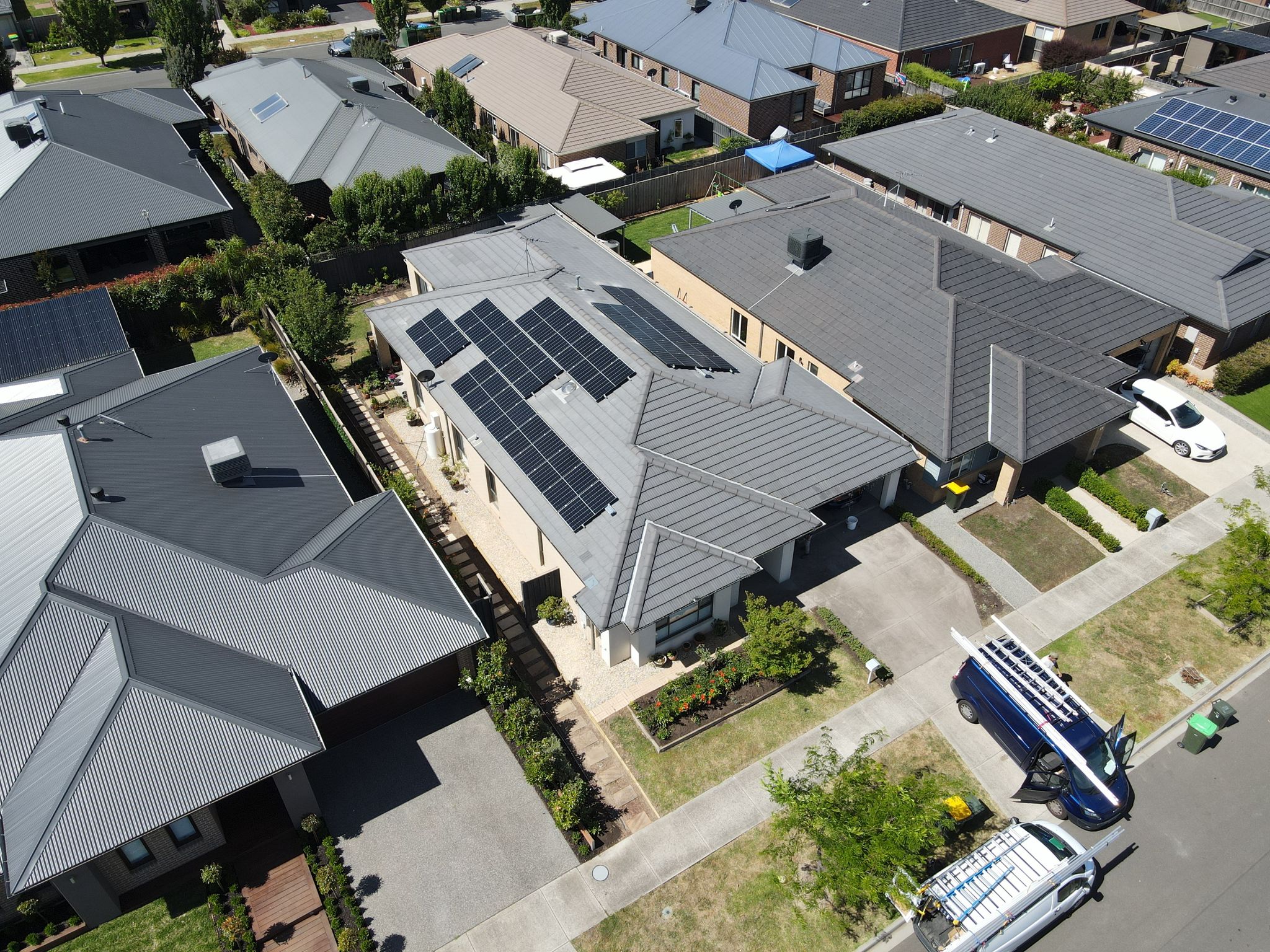
When people imagine a solar project, they often picture a wide open field. In a crowded city, that can make solar feel like someone else’s opportunity. Singapore provides a different starting point: look closely at surfaces that already belong to the urban landscape.
For property owners in Metro Manila and nearby cities, the interesting question is practical. Which spaces can generate electricity while the building, car park or industrial estate continues doing its everyday job?
What Singapore announced in 2026
In March 2026, Singapore’s Energy Market Authority set out plans to accelerate deployment toward a 3 GWp solar target for 2030. It reported that Singapore had reached 2 GWp in 2025 and that rooftops represented more than 80% of installed capacity. The release also identified possible overhang shelters, car-park canopies and other suitable surfaces. The 2030 number is a target, not installed capacity. [1]
EMA named government programmes for public housing and industrial property among the drivers of deployment. For Philippine readers, the transferable idea is coordinated site planning. The foreign programmes, financial arrangements and consumer economics do not automatically apply here.
Start with a surface inventory
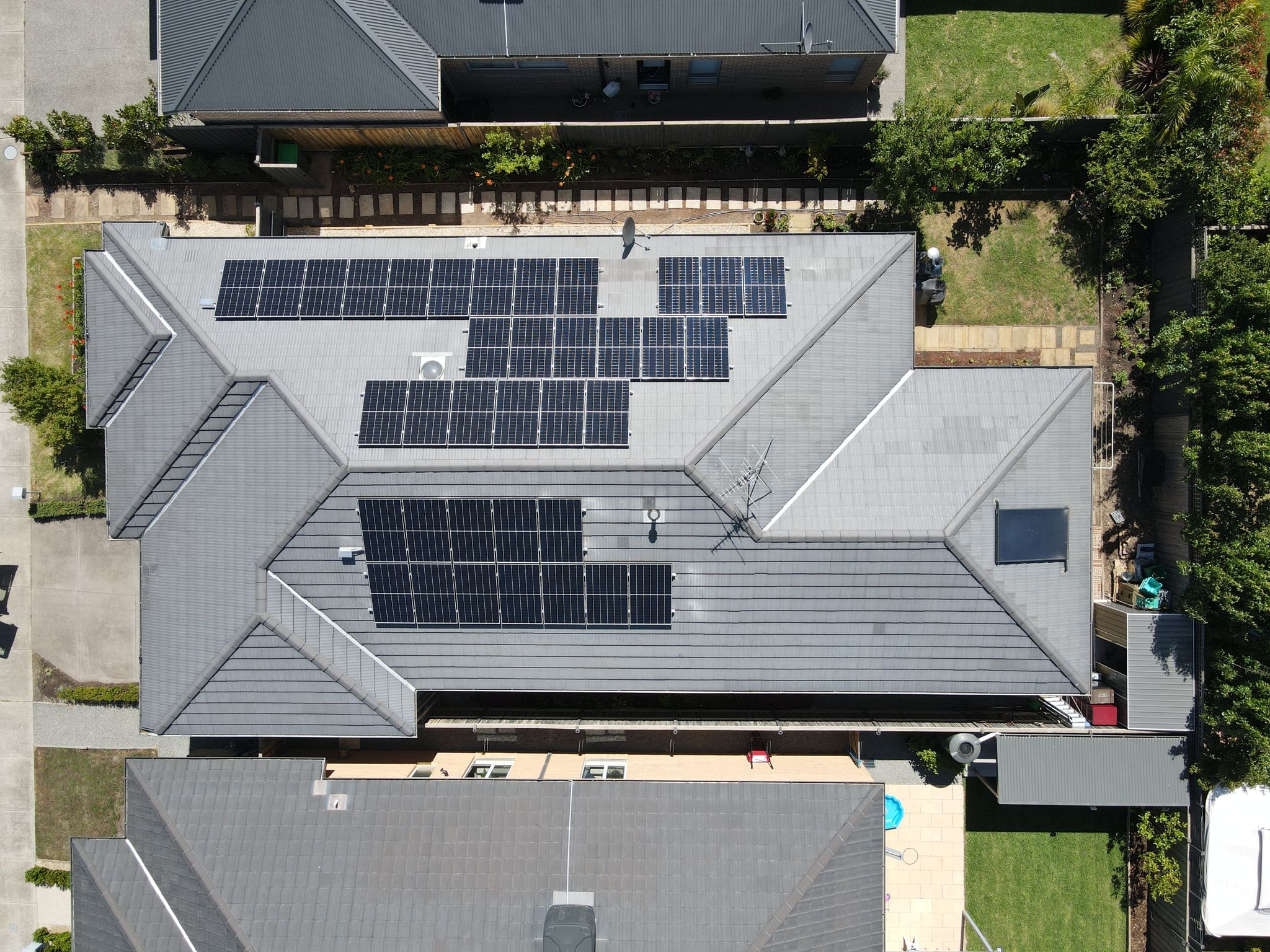
Imagine managing a school, office or small group of warehouses. Instead of beginning with a preferred system size, list the roof sections, covered walkways and parking areas under your control. Note who uses each area, who owns it and when major repairs are expected.
Then mark obvious constraints: rooftop equipment, shaded areas, emergency access, planned extensions and spaces reserved for other purposes. This preliminary inventory is not an engineering survey. It gives the survey a useful starting point and prevents a proposal from assuming that every square metre in an aerial image is available for panels.
A canopy brings an additional construction decision
A carport concept can be appealing because it combines shade and electricity generation. It also asks the owner to evaluate a structure that people and vehicles will use. The solar equipment is only one part of that decision.
Our suggested brief includes vehicle height, circulation, drainage, lighting, accessibility and the way columns affect parking. Ask the project team to show these functions on the same drawing as the panels. Compare the cost and disruption with using a suitable existing roof. A canopy may be a strong option, but it should earn that position through the site comparison, not through a persuasive rendering.
Ownership needs to be clear before installation
Shared buildings introduce questions that a single-owner home may not face. The person paying an electricity bill may not have authority over the roof. Tenants may use different meters. Maintenance teams may need access through someone else’s space. These are issues to resolve explicitly rather than leave to assumptions.
For a condominium, commercial lease or jointly owned property, identify the authorised decision-makers and obtain appropriate advice on the actual documents. Record who can approve the work, which account benefits and what happens when occupancy changes. Singapore’s deployment experience does not determine Philippine property rights or approval requirements.
Group the planning without erasing differences
If several buildings are under common management, a shared process can make evaluation clearer. Use the same information request, proposal headings and handover expectations for each site. A comparable format helps the owner understand why one building needs different equipment or additional work.
Keep the individual assessments, though. A warehouse with daytime activity and a building mainly occupied at night can have different solar priorities. Record each site’s operating schedule, electricity use, roof condition and connection arrangement. Our recommendation is to standardise the questions while allowing the answers to shape each design.
A useful next step for urban owners
Choose one candidate surface and gather enough information to have a focused conversation. Start with recent electricity bills, operating hours, ownership details and existing roof plans if available. Add a list of upcoming building works so the solar discussion fits the property’s wider schedule.
Ask the installer to explain usable area, estimated production and how generation overlaps with consumption. Make access and ongoing maintenance part of the scope. You do not need a whole-city strategy to make a good building-level decision. A clear first project can establish a repeatable process for the next property, with expectations grounded in its own site.
Sources & further reading
Sources used for this guide. Policy and product details should be checked for your particular installation.