Solar basics
Solar Inverters Explained: The Questions to Ask Before You Choose
Your inverter shapes how a solar system operates. Understand conversion, sizing, monitoring and backup so you can ask useful questions about the exact model proposed.
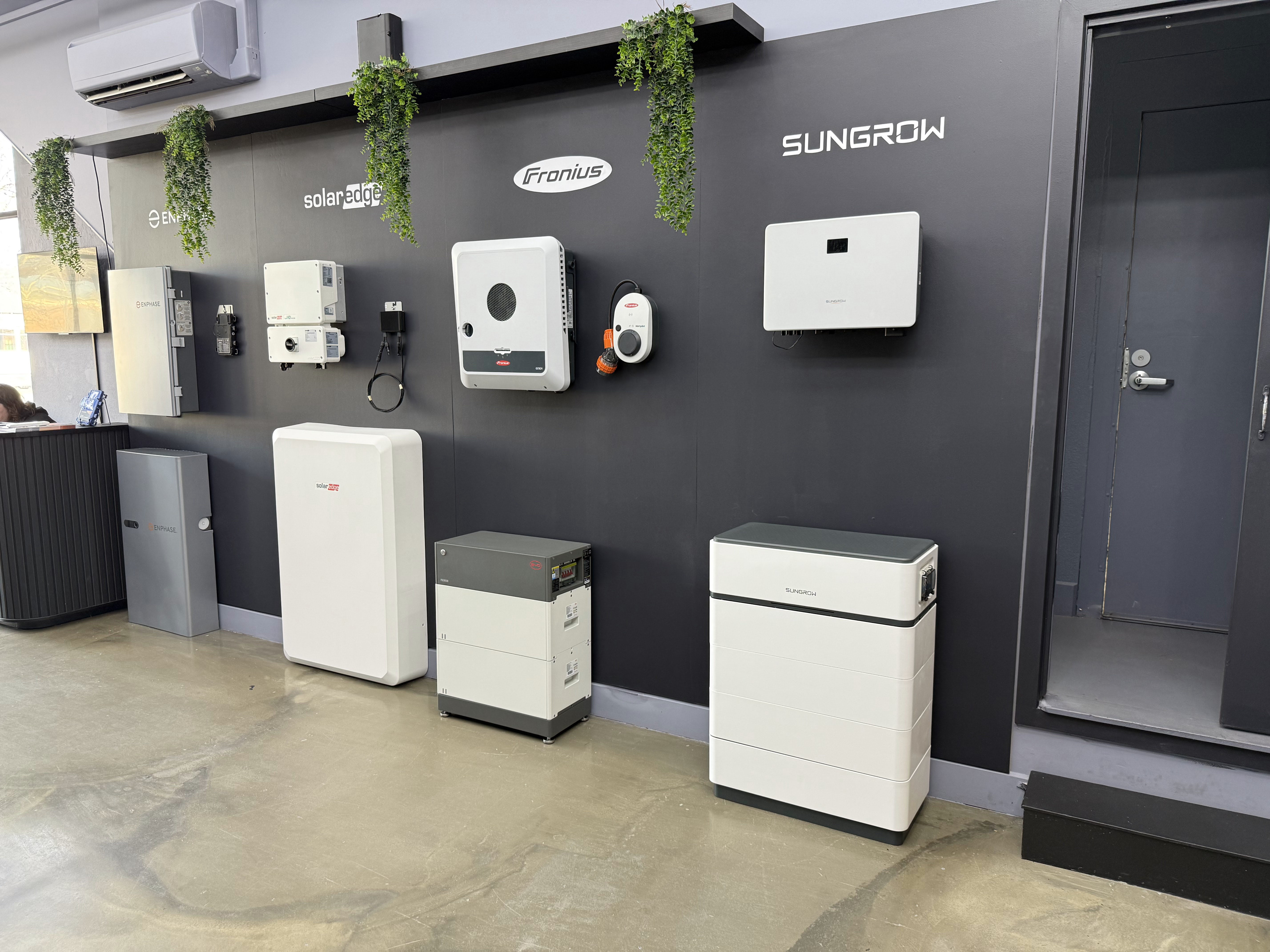
Panels get most of the attention in solar advertising. The inverter deserves a close look too. It sits at the meeting point between generation, household use and the grid, and its capabilities influence what your system can actually do.
You do not need to become an electronics engineer to compare options. You need the exact model, a clear description of the proposed design and answers to a handful of practical questions. Mas malinaw when those answers are written into the proposal.
Begin with its everyday job
Solar panels generate direct-current electricity, or DC. The inverter converts it to alternating current, or AC, for the connected electrical system. Depending on the product and installation, it can also provide monitoring and control functions. The US Department of Energy gives this conversion role as the starting point for understanding inverters. [1]
Ask the installer to point out each major component on your system diagram. Where does solar electricity enter? Where is consumption measured? Which equipment controls any export limit? A drawing with labelled connections makes it easier to understand the installation than a collection of brand logos and a single package size.
Compare the design, not just the category
A string inverter serves connected groups of panels. Microinverters operate at individual panels. These descriptions tell you where conversion happens, but they do not decide which system is best for a particular roof. [1]
Ask why the proposed arrangement suits your roof sections, shade pattern, equipment access and budget. If an option costs more, what specific benefit is expected at this property and how was it assessed? If the roof is straightforward, that should also be reflected in the explanation. Avoid accepting a universal claim that one design always wins regardless of site conditions.
Understand the two capacity numbers
Panel capacity and inverter AC output capacity need not be identical. A proposal should name both, with their units, so a package described as “5 kW” is not left ambiguous. Module ratings describe specified test conditions; they do not promise continuous output at that level on your roof.
When available solar power reaches an inverter’s output limit, the inverter can limit output. This is commonly called power clipping. SAM’s technical documentation describes modelling that limit separately from voltage-related constraints. Ask how the chosen pairing affects estimated annual energy and whether the design stays within every equipment limit. A brief midday plateau alone does not reveal the annual cost-benefit tradeoff. [2]
Treat backup as an explicit requirement
A word such as “hybrid” on a brochure is not a complete brownout plan. Ask which circuits will operate when the grid is unavailable, what the continuous and short-duration power limits are, and what energy source supports them.
Make the request concrete: lights, refrigerator, Wi-Fi and perhaps a particular aircon. Have the designer explain what happens when those loads start together, when the battery reaches its reserve and when the sun returns after an overnight outage. The answer must come from the actual equipment and configuration. If backup hardware, a battery or circuit changes are optional, identify them and their costs separately.
Check monitoring and installation details
Ask to see the monitoring functions included with the exact model. Can you view generation history and receive fault alerts? Does household consumption require an extra meter? Who owns the account, and what happens after a change of internet router or property owner? These small details influence everyday usability.
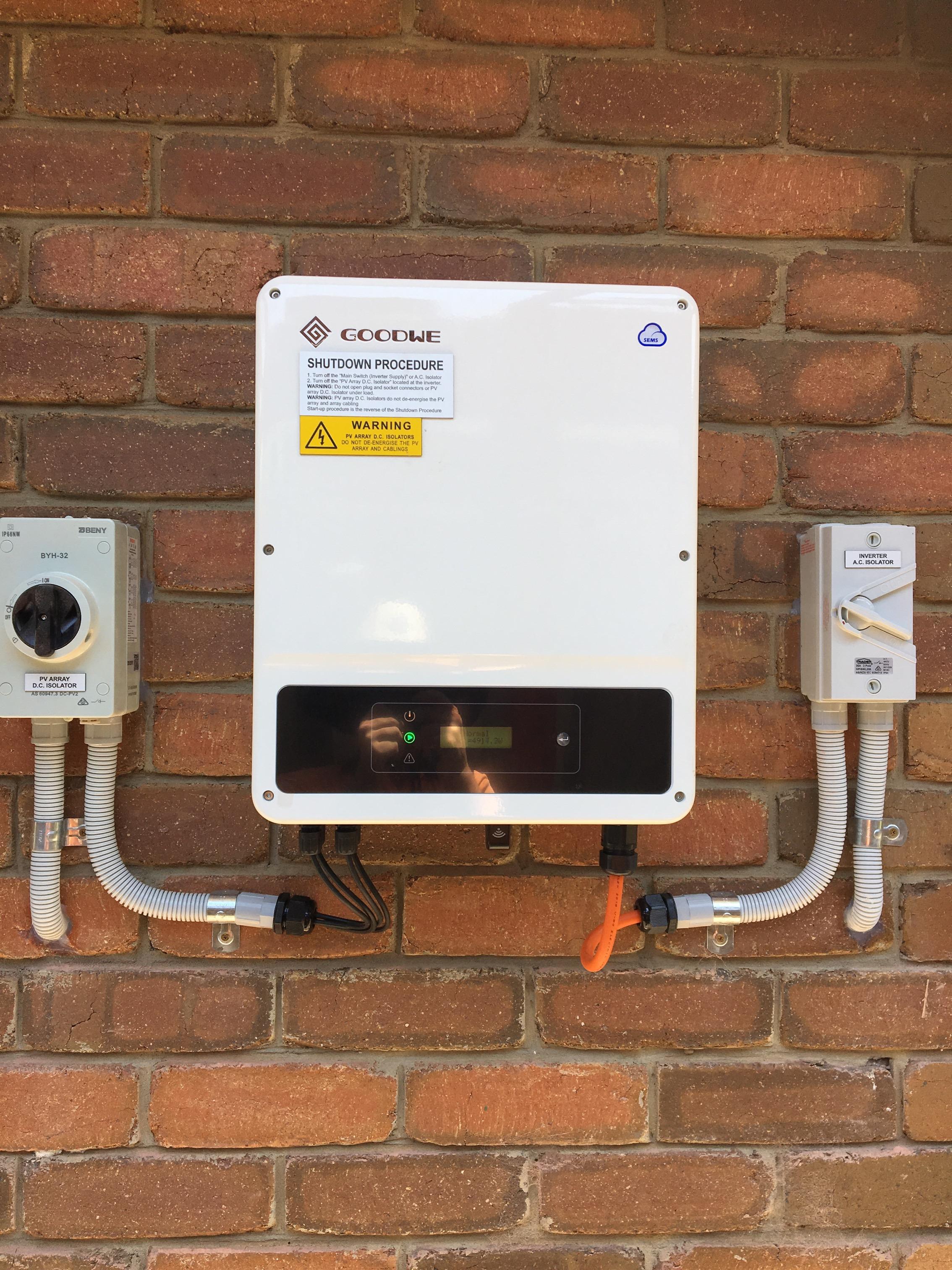
Then review the proposed physical location. The installer should check the manufacturer’s requirements for temperature, ventilation, exposure and clearances. Ask how a technician will safely access the unit for maintenance or replacement. A convenient empty wall is only a candidate location until those checks have been completed.
Ask about support beyond the specification sheet
Request the written warranty and clarify the route for a claim. Who diagnoses a fault, who supplies a replacement, and which labour, transport or access costs are included? The length printed beside a warranty does not answer all those questions.
If a battery or panel expansion is planned, request the current compatibility evidence and limits for this model. Keep a copy with the quotation, recognising that future products and availability can change. Bring Lightning Energy your goals and any competing equipment details; a useful comparison should connect each technical choice to how you expect the system to work.
Sources & further reading
Sources used for this guide. Policy and product details should be checked for your particular installation.
- US DOE — Inverters and Grid Services BasicsAccessed 20 September 2026
- SAM Technical Help — Inverter Clipping LossesAccessed 20 September 2026