Batteries & backup
Solar Now, Battery Later? Planning an Upgrade Without Guesswork
Planning solar in stages can work, but “battery-ready” needs a clear definition. Check compatibility, backup circuits, space and the work a future installation would require.
You may be ready for rooftop solar today while still deciding whether a battery fits your household. That is a reasonable starting point. The important step is to turn “we can add one later” into a documented plan with visible limits.
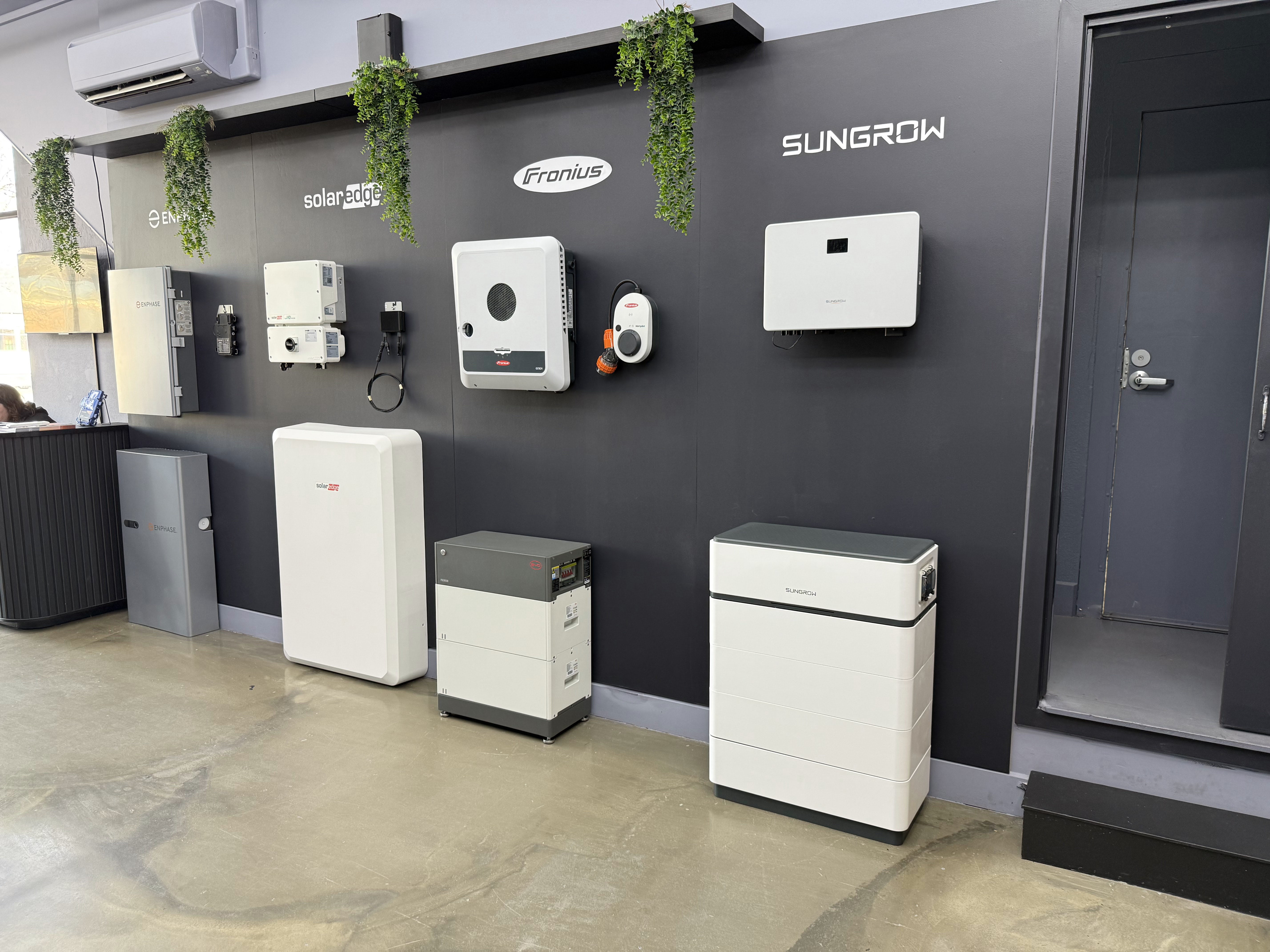
Battery-ready can mean several things. It may refer to an inverter capability, reserved installation space or a future retrofit requiring extra equipment. Ask what the phrase means for the exact system being quoted, and which parts of that future project remain undecided.
Name the job for the future battery
Start with the problem you expect storage to solve. Is it shifting some daytime solar into evening use, keeping selected appliances running during brownouts, or a combination? Those priorities can lead to different sizes, operating settings and circuit arrangements.
Write a short future brief even if you are not ready to choose equipment. For example: “Keep the refrigerator, lights and internet available during an outage; assess evening self-consumption separately.” A clear purpose lets the first solar design preserve useful options without paying now for an imagined future that may never happen.
Understand the possible connection paths
The Australian Government’s technical guide distinguishes AC coupling, which uses a battery inverter alongside the solar inverter, from DC coupling through a compatible hybrid inverter. It describes AC coupling as a common route for adding storage to an existing solar system. That explains an engineering option, not a Philippine approval rule. [1]
Ask which route is being proposed and why. A conventional solar inverter does not automatically rule out a later battery, while a hybrid inverter does not accept every battery on the market. The future design must still be checked as a complete system, including metering, controls, electrical protection and the intended operating modes.
Ask for compatibility evidence
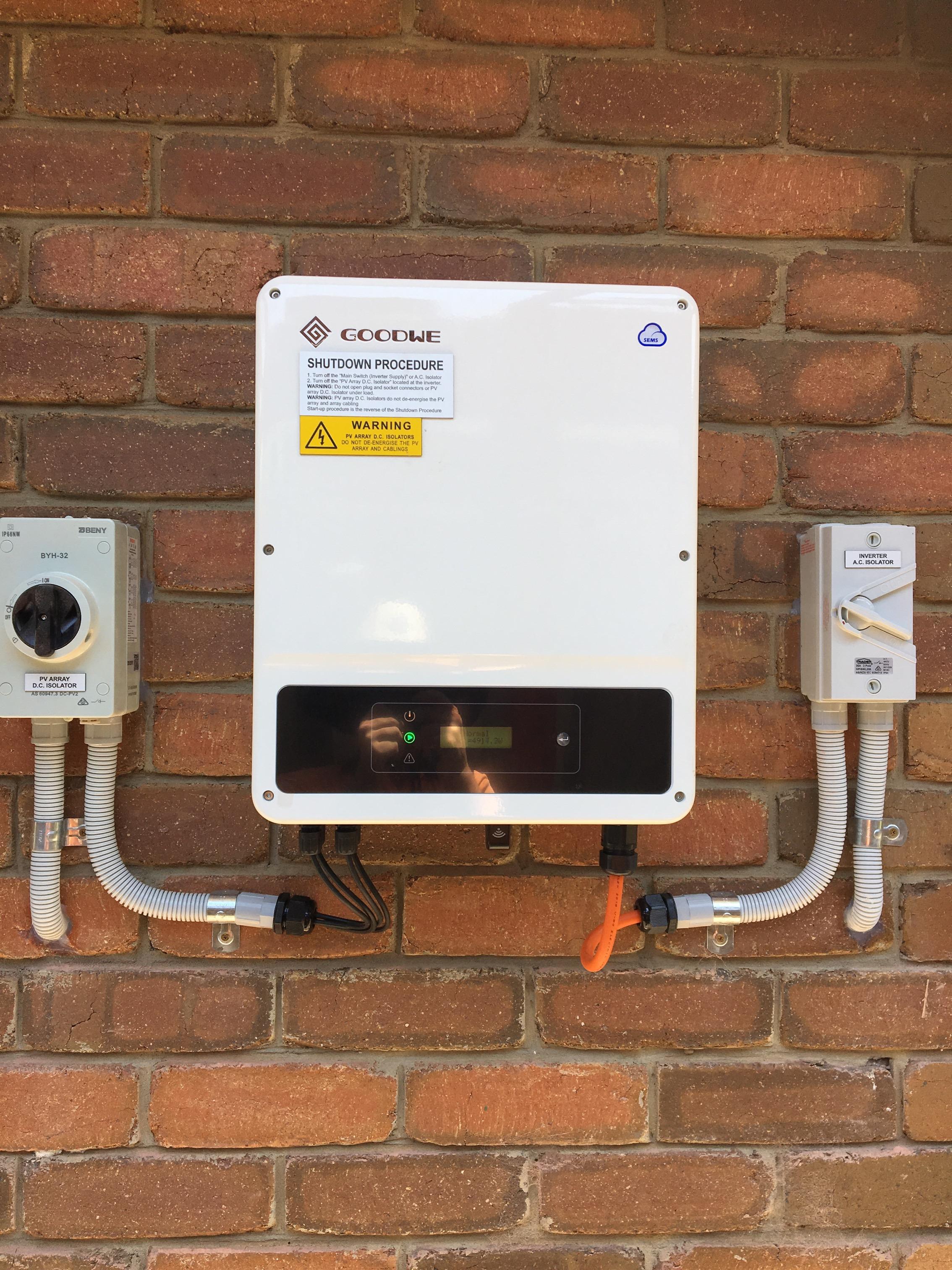
Request the current manufacturer compatibility list for the proposed inverter, with exact battery models and any required accessories. Ask about limits on capacity, charge and discharge power, firmware and permitted combinations. Keep that evidence with the original quote.
Then ask the question that matters over time: what happens if the listed battery is discontinued before you buy? No installer can responsibly guarantee that every future battery will work. A useful staged proposal describes the current path, any plausible alternatives and the possibility that later equipment or modifications will be necessary. It should not present uncertainty as a locked-in future price or universal compatibility.
Plan the physical work early
Discuss potential battery locations during the first site visit. The final location will need to meet the selected product’s requirements and applicable local safety rules. Access, environmental exposure, clearances and the route to electrical equipment all deserve attention.
Ask what preparation is sensible now: recording cable routes, reserving appropriate electrical-board space or identifying the circuits that could later be backed up. Each item should have a clear purpose and cost. Do not install speculative equipment simply because it sounds future-proof. A marked drawing and a documented design decision may be more useful than buying components before the battery is chosen.

Keep backup capability specific
A future battery does not by itself guarantee whole-home operation in a brownout. Ask which additional switching, isolation, controls and circuit changes would be needed. Have the installer identify which parts are in today’s price and which belong to the future project.
Consider a hypothetical household that first wants evening energy shifting but later decides an aircon must run through outages. That changes the requirement. Available energy in kWh, usable power in kW and appliance starting behaviour all need reassessment. Preserve your original essential-load list, but expect to review it when you are ready to install storage.
Set a decision point, not a promise
Once solar is operating, collected generation and consumption data can make a battery assessment more specific. Ask what metering is needed now to understand how much solar is available after daytime loads and how much electricity is bought later. Without that information, an upgrade forecast can rely heavily on assumptions.
Choose a sensible review point after you have representative operating data, and update the assessment if household habits change. Compare the then-current battery cost, expected use, warranty conditions and backup benefit. Lightning Energy can help you define the first stage around today’s needs while documenting the questions a later stage must answer. That is a more useful meaning of ready.
Sources & further reading
Sources used for this guide. Policy and product details should be checked for your particular installation.
- Australian Government — Batteries: Integrating Solar and BatteryAccessed 20 September 2026