Across Asia
What Happens to Old Solar Panels? Lessons from Asia
Responsible solar ownership includes a plan for replacement and retirement. Learn what Asian recycling approaches show and which questions to ask locally.
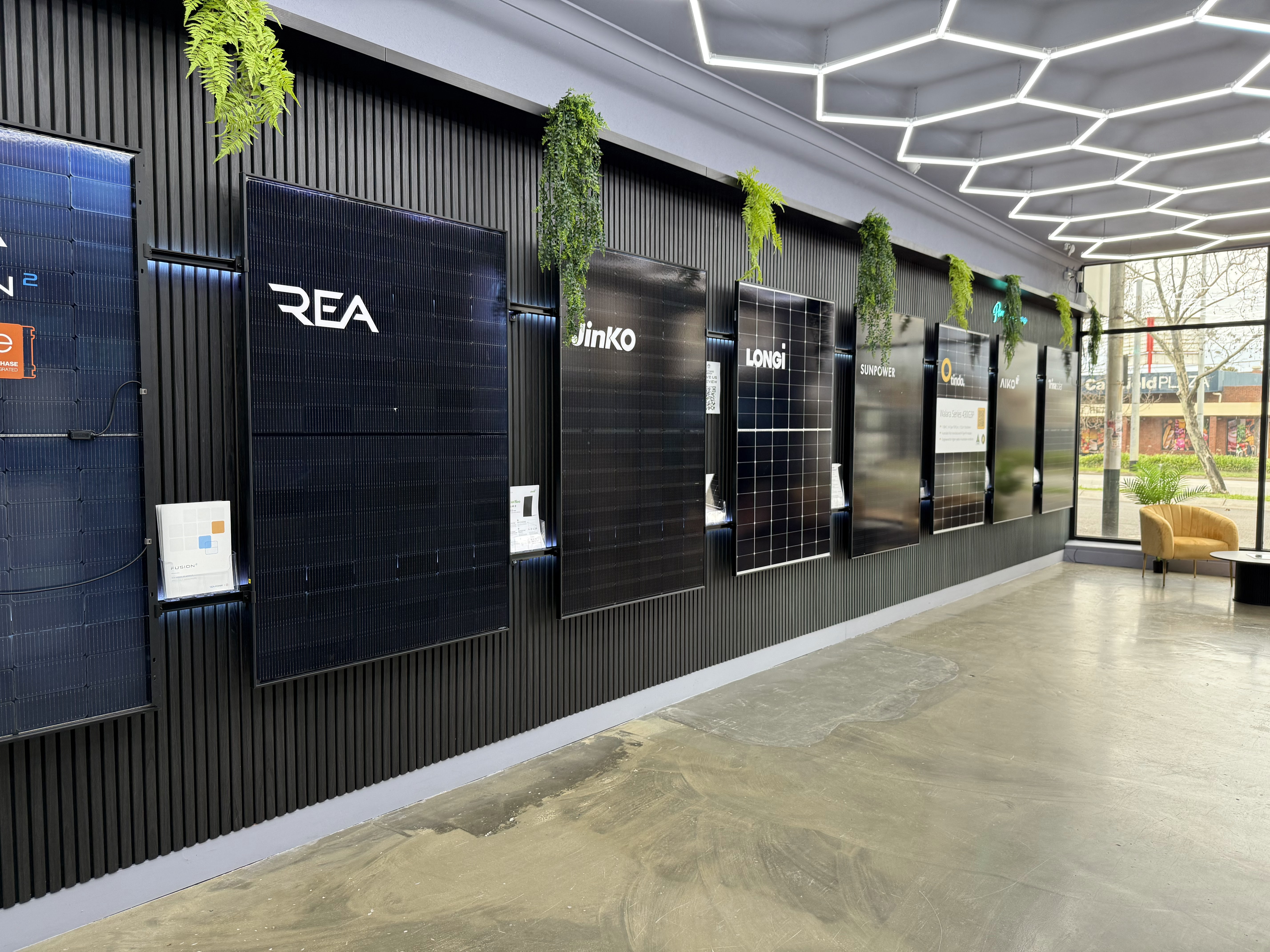
When you buy solar, you naturally focus on the years of electricity ahead. It is also sensible to ask what happens when equipment is damaged, replaced or eventually retired. A long service life and an end-of-life plan belong in the same conversation.
Asia’s recycling experience offers useful perspective, especially on responsibilities and logistics. It does not mean that a household in the Philippines automatically has access to the same collection programmes.
Three countries, different approaches
IEA PVPS’s September 2025 recycling report describes different national approaches. At that time, Japan was developing photovoltaic-specific recycling rules, South Korea had an extended producer responsibility scheme and China was pursuing national initiatives that encouraged recycling. The report also identified economic, collection and technology challenges. These are dated findings, not a current legal guide for any of those countries. [1]
The comparison suggests a practical question for owners: who is responsible for moving equipment from the roof to an appropriate destination? Technology alone does not answer it. Collection arrangements, documentation, transport and funding all need a place in the plan.
A panel contains more than one recyclable material
The US Environmental Protection Agency explains that crystalline-silicon panels combine glass, an aluminium frame, electrical connections, cells and polymer layers. Separating bonded layers and recovering smaller valuable components can be more involved than collecting ordinary scrap metal. Different module technologies can also require different recycling processes. [2]
For a buyer, this is a reason to be precise about a recycling claim. Ask which equipment is accepted, which materials are recovered and what evidence of receipt or processing is available. A promise to remove panels from the property does not, by itself, explain where they will go.
Retirement and reuse are separate decisions
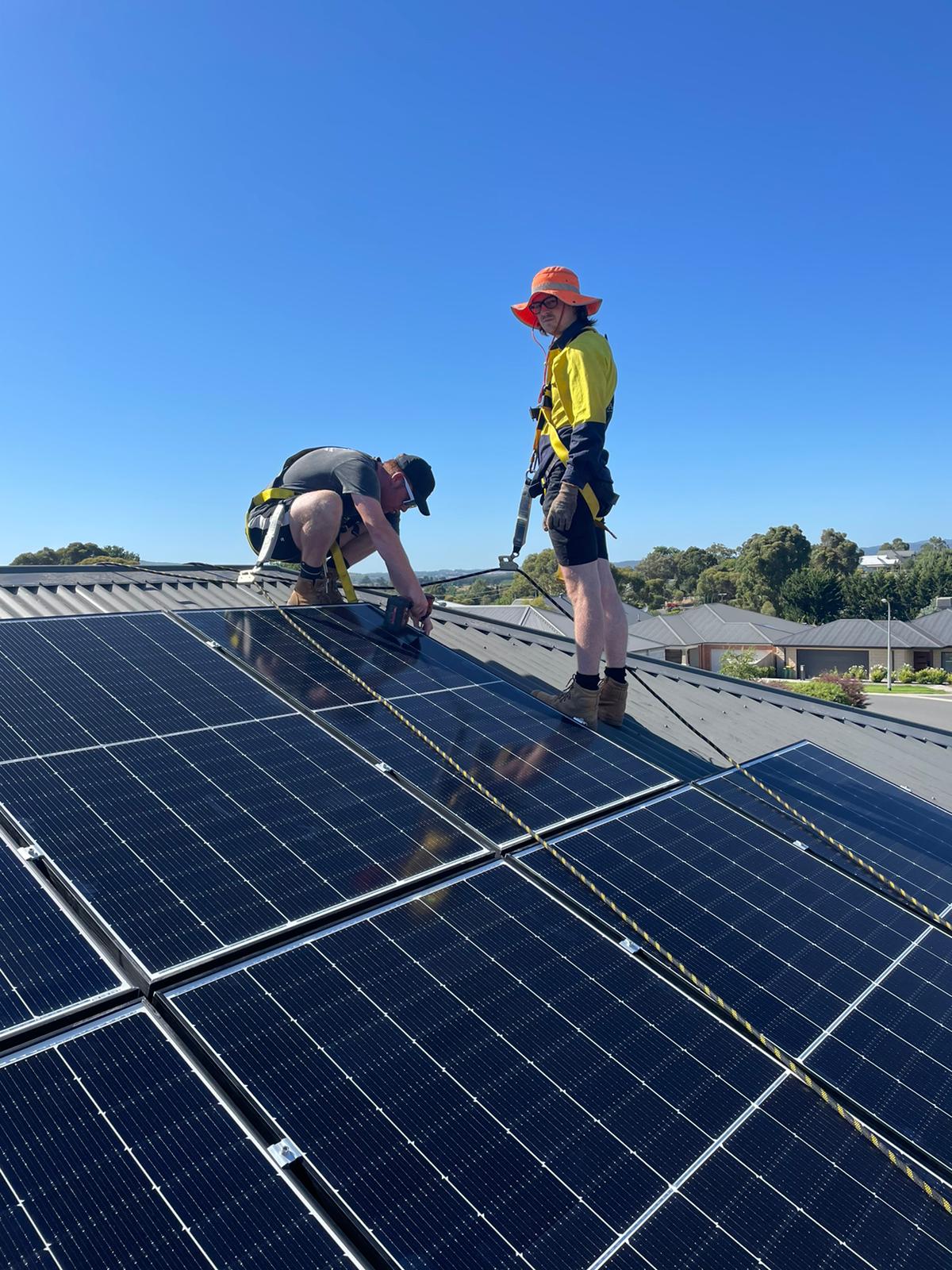
A panel being removed is not automatically suitable for another installation, and removal does not always mean the module has reached the end of its useful life. The EPA discusses reuse as a possible route while noting that an installation still needs to satisfy relevant requirements. Its discussion is US guidance, not Philippine approval. [2]
If reuse is proposed, ask qualified professionals to assess condition, electrical compatibility and the suitability of the intended installation. Keep that decision separate from a desire to avoid waste. Do not assume that an old module is safe because it still produces some electricity or appears intact from the ground.
Keep the records that future decisions will need
Our recommended ownership folder includes model identifiers, serial numbers where provided, purchase records, warranty terms, drawings and service history. Update it when equipment is replaced. A future owner or technician should be able to establish what is installed and which documents apply.
For a business with several sites, use a consistent asset register. Record the location and reason when a module is removed, along with the party receiving it. This is useful housekeeping now and can make future collection or warranty conversations easier. It also helps avoid counting equipment as recycled when its final destination has not been documented.
Ask about costs and responsibilities before replacement
Removal may involve access equipment, electrical work, transport and arrangements with an accepting facility. Rather than assuming those items are included, ask for the scope in writing. Establish who confirms the destination and who keeps the documentation.
For a new installation, ask whether any supplier or manufacturer take-back arrangement actually applies to the proposed product and location. Read exclusions and responsibilities alongside the headline promise. This article does not establish a Lightning Energy take-back service or confirm a particular Philippine recycler. Local options and applicable requirements must be checked when planning the work.
Make responsible ownership an everyday habit
An end-of-life plan need not dominate a first solar conversation. It should simply be present, alongside performance, maintenance and warranty questions. A brief answer today can identify what is known, what is included and what will require a future decision.
If equipment is damaged, arrange assessment through qualified professionals and keep people away from exposed electrical parts. For ordinary ownership, retain the records, track service changes and ask where replaced equipment goes. Quality solar, made simple, extends beyond installation day: understand the system you own and keep a clear account of how it is maintained, changed and eventually retired.
Sources & further reading
Sources used for this guide. Policy and product details should be checked for your particular installation.
- IEA PVPS: Status of PV Module Recycling in Task 12 CountriesSeptember 2025
- US EPA: Solar Panel RecyclingUpdated 6 November 2025