Solar basics
3 kW, 5 kW or 10 kW? Finding Solar That Fits Your Home
The right solar size comes from your roof and daily routine. Understand panel capacity, inverter power and energy output before comparing a 3 kW, 5 kW or 10 kW package.
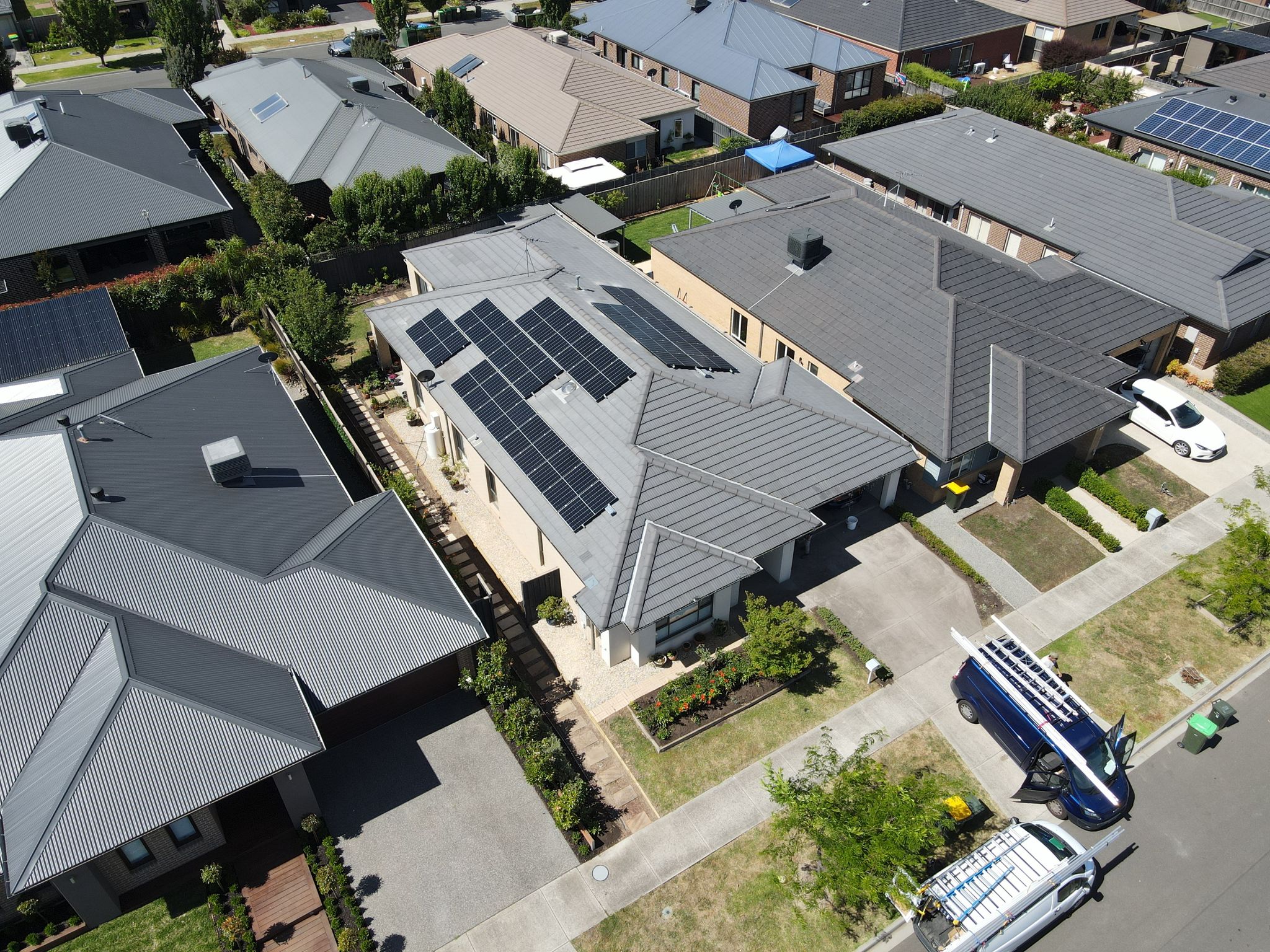
Solar packages often start with a number: 3 kW, 5 kW, 10 kW. It is tempting to match that number to your monthly bill and choose from a price list. But a good design starts with what happens inside your home and what is possible above it.
The right question is not simply 'How many panels can I afford?' It is 'What system can my property support, and how much of its output will be useful to my household?' Here is a practical way to find out.
Know which number the package is quoting
Panel capacity is commonly stated in kilowatts peak, or kWp: the combined nameplate rating of the modules under standard test conditions. Inverter output is stated in kW and describes a different part of the system. Daily or monthly production is energy, measured in kWh.
For a purely illustrative example, ten 500-watt panels total 5 kWp. That does not promise 5 kW throughout daylight, or 5 kWh each day. Ask every supplier to list panel capacity, inverter AC rating and estimated monthly energy separately. Comparing those three figures prevents a confusing package label from driving the decision.
Map the electricity you use while the sun is up
Start with a year of bills, then add a weekday and weekend timetable. A household with daytime cooking, cooling and work may use solar as it is generated. A home that wakes up electrically after sunset has a different challenge, even when its total monthly consumption is identical.
An installer can use interval data or a load survey to compare demand with expected solar output. Ask what happens during quiet periods, such as weekday mornings or family holidays. A design that looks attractive using monthly totals can create substantial midday surplus once real appliance schedules are considered.
Let the usable roof shape the options
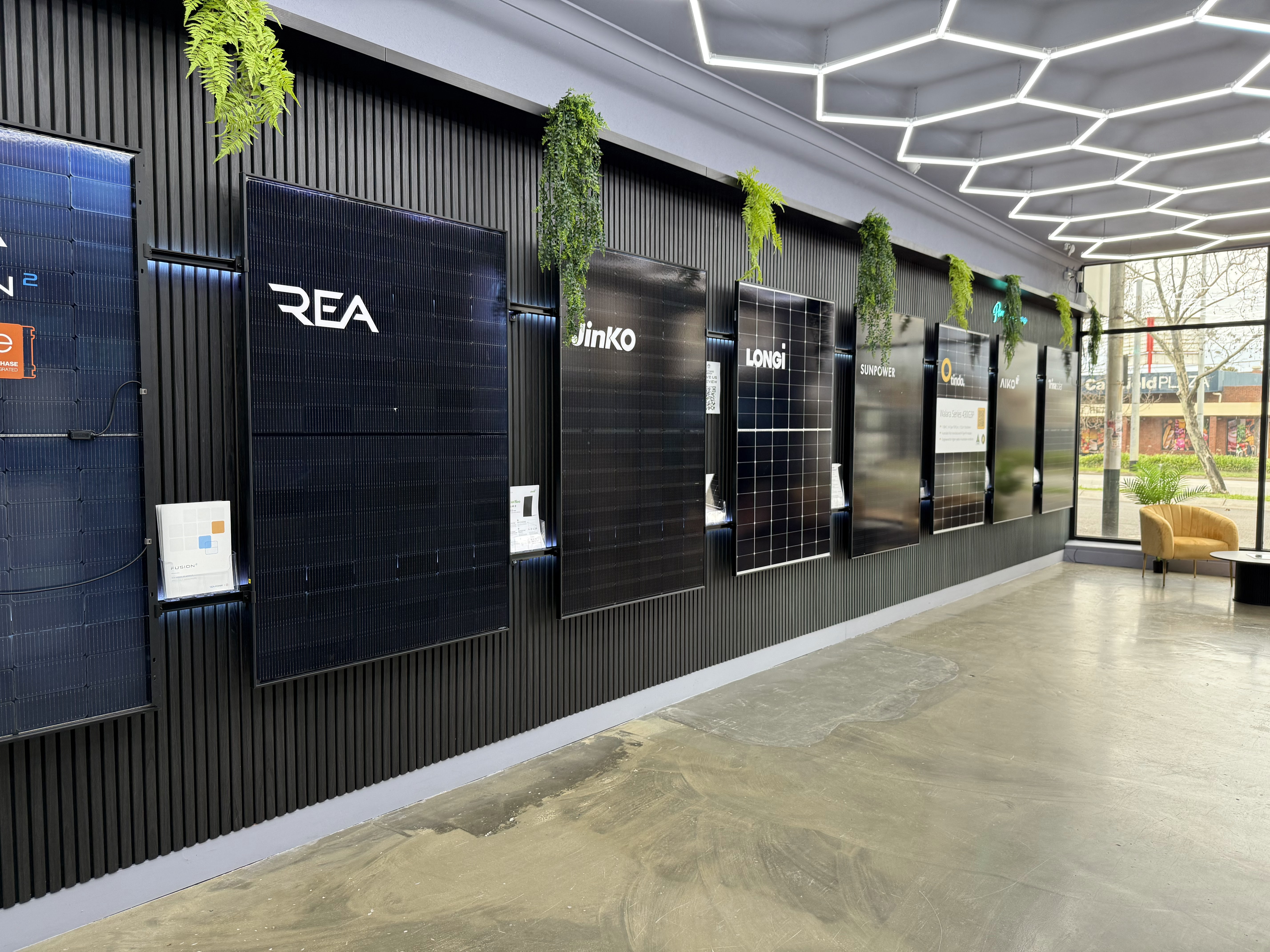
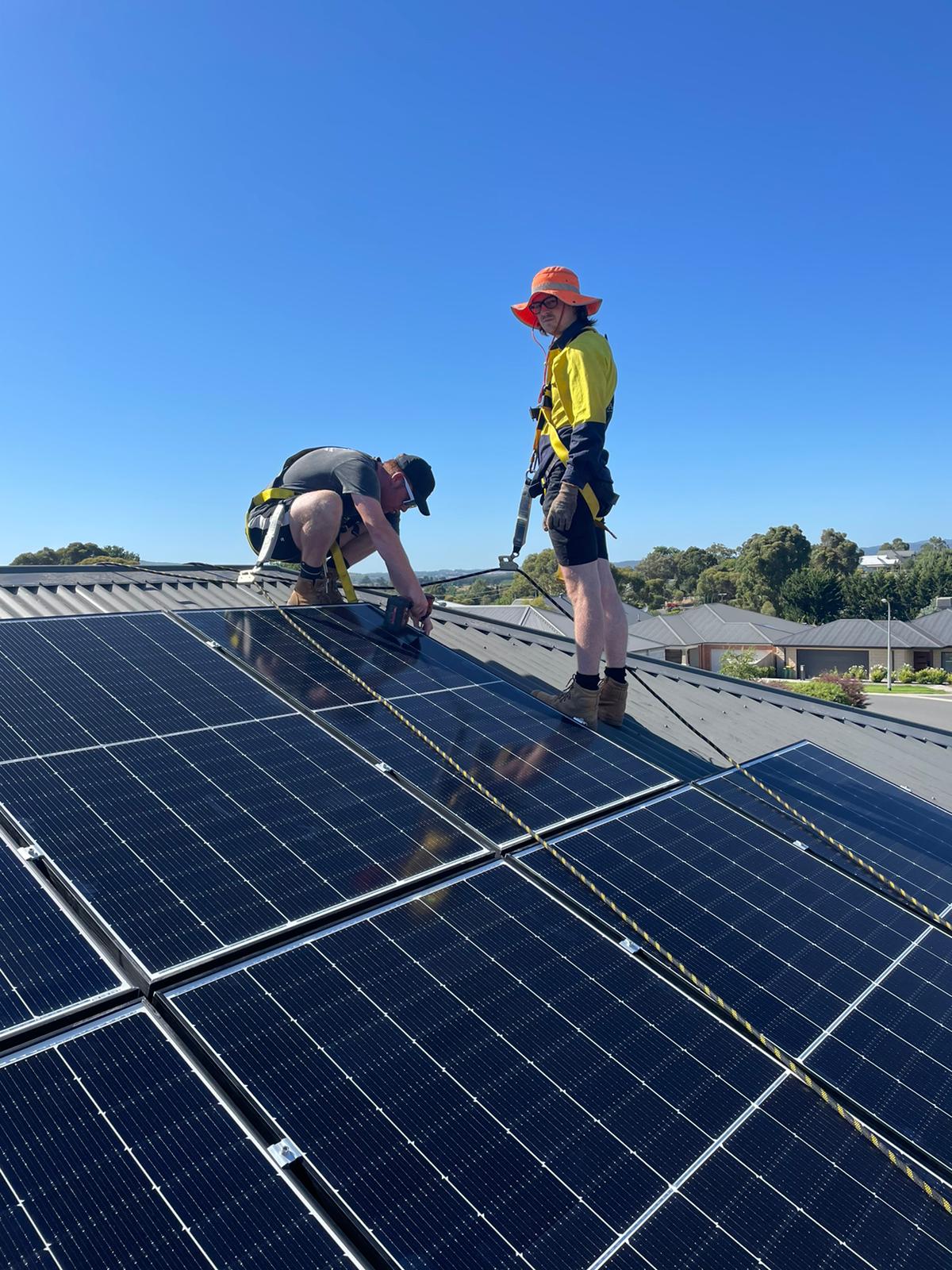
A roof's total area is not the same as its usable solar area. Water tanks, access paths, roof edges, vents, neighbouring buildings and trees all affect the layout. The condition of the roof and its supporting structure must be assessed before a panel count becomes a design.
Ask for an actual layout showing the proposed panels and obstructions. If a cheaper quote fills a shaded area that another quote leaves clear, find out why. Likewise, a roof repair due soon may change the sequence: completing it before solar can avoid removing and reinstalling equipment later.
Ask for a monthly model and its assumptions
PVWatts provides a preliminary estimate using inputs such as location, array capacity, orientation and losses. A model is a planning tool, not a production guarantee. More detailed software can incorporate equipment and shading assumptions where those are known. [1]
Your proposal should identify the weather data, roof directions, shading allowance and major losses used. Request monthly results rather than one attractive daily number. Then ask how much of that modeled production meets household demand directly. A generation estimate and a bill-saving estimate answer different questions; neither should be silently substituted for the other.
Check the connection before finalising capacity
The distribution network also matters. Meralco publishes hosting-capacity guidance, but says its final assessment depends on actual conditions; the listed capacity is shared at transformer level rather than reserved for one customer. Its figures apply within its own franchise area. [2]
Bring your service address and intended operating arrangement into the conversation early. Net metering, zero export and an independent supply are different designs. Ask who will coordinate with your utility and explain any resulting limits. A roof that physically fits a larger array does not by itself settle the electrical connection or export arrangements.
Compare three designs on equal terms
Ask for a smaller, middle and larger option using the same household assumptions. Compare annual production, directly used energy, exported energy where authorised, expected curtailment, installed scope and total cost. This makes the extra panels' contribution visible.
Suppose the middle option covers most daytime demand. The larger option might mainly add exports, or it might support a confirmed daytime aircon upgrade. Those are different reasons to spend more. Neither is automatically wrong; the point is to understand the additional benefit rather than assuming the biggest array always produces the best personal result.
Treat backup as its own design decision
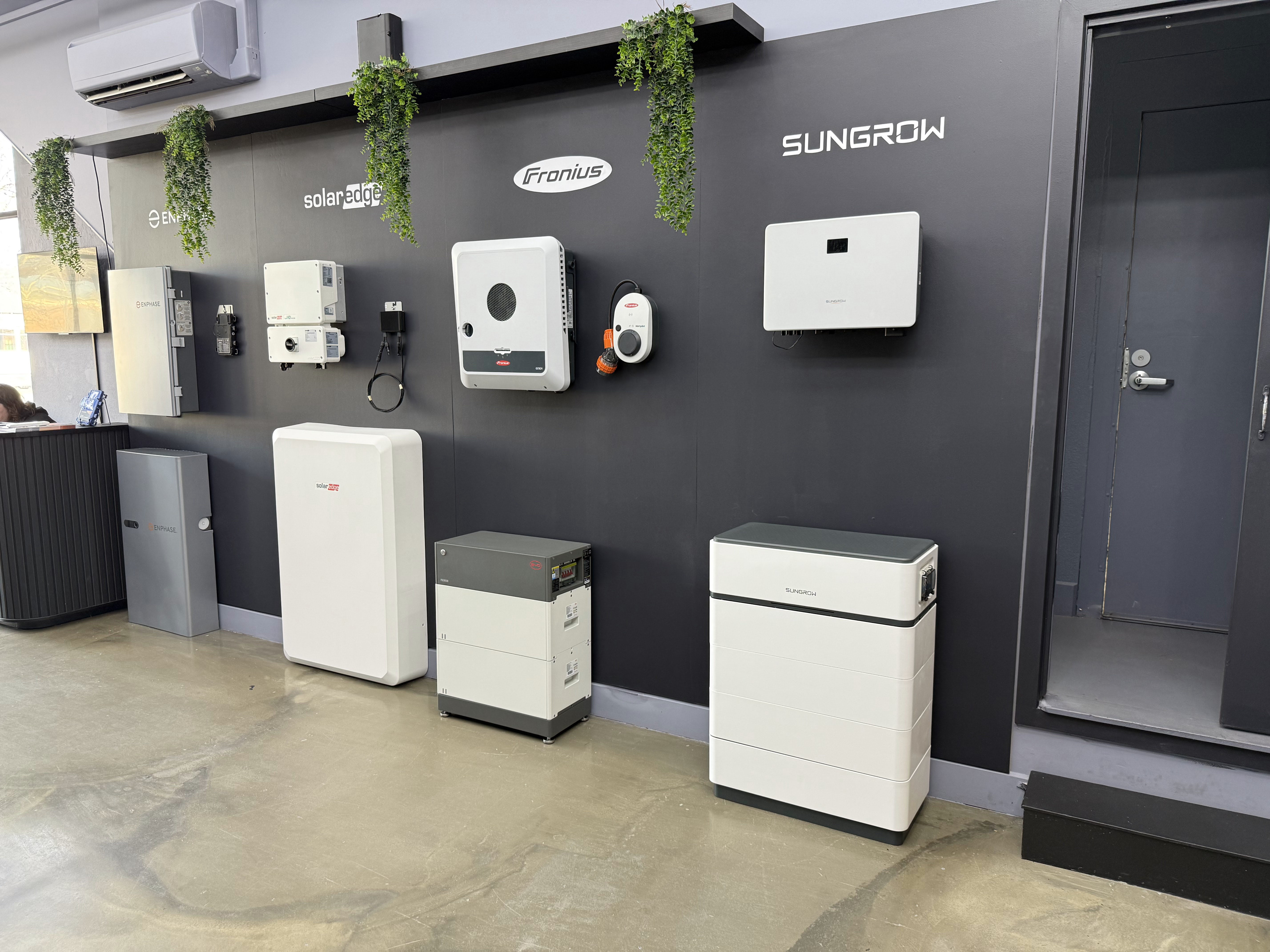
If your priority includes brownouts, name the appliances and the desired hours of operation. Panel capacity alone does not specify battery energy, backup power or the circuits available during an outage. Ask for those limits in writing alongside the proposed solar size.
You can also discuss future changes without buying every possible upgrade now. A planned EV, additional room or battery may affect equipment selection and space. Bring your bills and roof information to Lightning Energy Philippines, and ask for a system that fits today's routine with a clear explanation of tomorrow's options. Sakto sa bahay, clear on the details.
Sources & further reading
Sources used for this guide. Policy and product details should be checked for your particular installation.
- National Laboratory of the Rockies — PVWatts CalculatorAccessed 20 September 2026
- Meralco — Net-Metering Application Process and Hosting CapacityAccessed 20 September 2026