Care & performance
Solar at Bagyo: What a Typhoon-Ready Installation Should Consider
Storm resilience starts before panels reach the roof. Ask about structural assessment, attachment design, drainage, electrical protection and the handover records that matter.
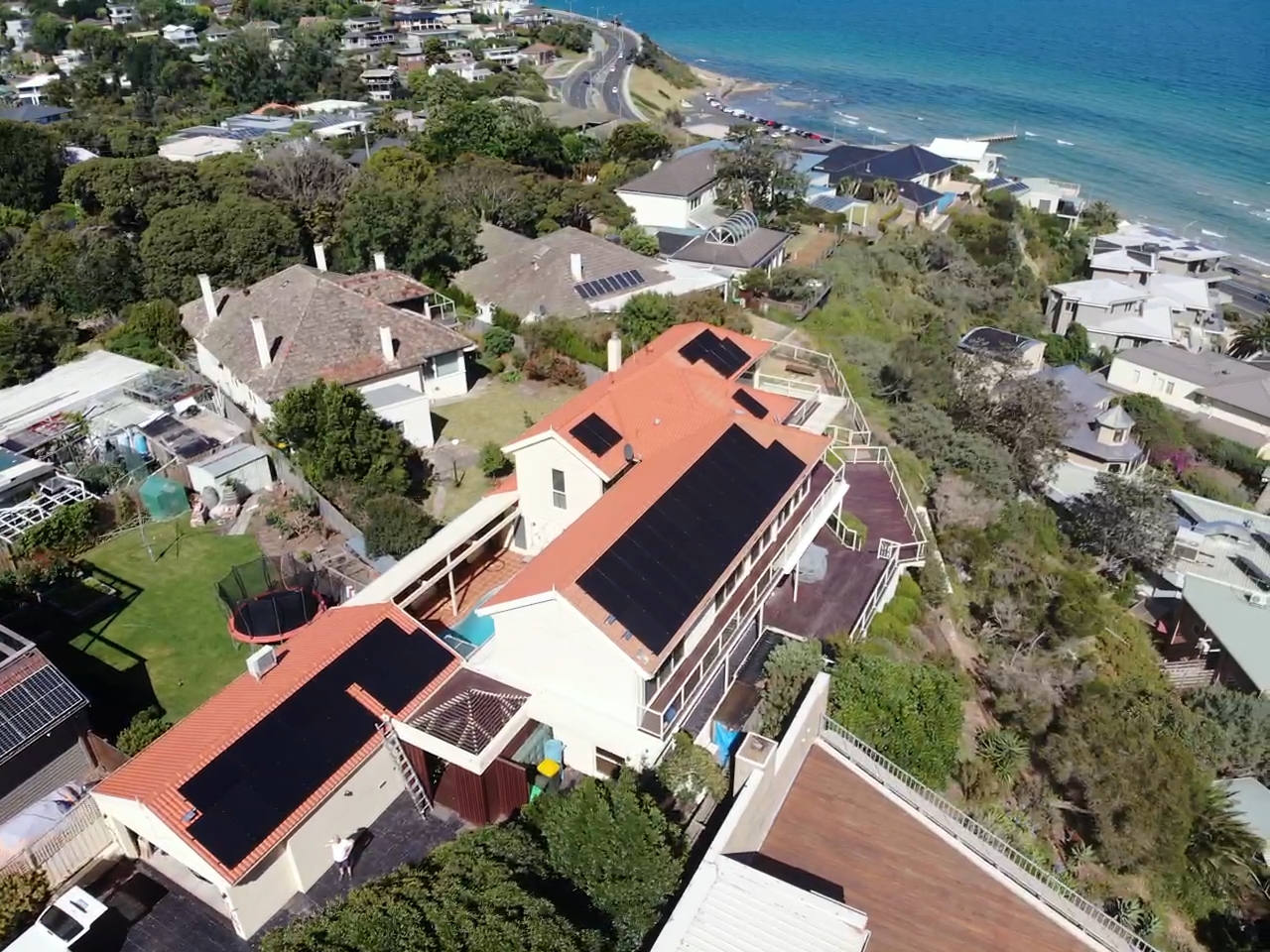
A solar installation in the Philippines needs to take storms seriously. PAGASA reports an average of about twenty tropical cyclones entering the Philippine Area of Responsibility each year, with around eight or nine crossing the country. Those are regional averages, not a wind-design value for your roof. [1]
The practical response is a site-specific design, careful installation and a clear maintenance plan. No responsible proposal can make a rooftop 'typhoon-proof.' What you can ask for is evidence of how the roof, array and electrical equipment are being assessed for the property's conditions.
Begin with the building beneath the panels
The array depends on the roof and supporting structure. Before discussing panel brand or capacity, ask who will assess the roof's condition and whether an appropriately qualified structural professional is needed for the proposed work. Existing corrosion, leaks or damaged members deserve attention before installation.
Share anything you know about the building: its age, previous repairs, extensions and storm damage. Photographs and plans can help, but they do not replace a site assessment. If roof replacement is already being considered, ask whether that should happen first and how the revised roof will accommodate the proposed array.
Ask how wind forces reach the structure
Wind acts on more than the glass surface. The forces pass through panel frames, clamps, rails, attachments and the building. US DOE severe-weather guidance highlights the importance of racking, critical joints and the effects of wind-driven movement. [2] Its engineering lessons do not replace Philippine standards or a local design.
Ask the designer to explain the attachment approach and the assumptions for your location, building height and exposure. A panel's laboratory load rating alone is not a rating for the complete installation. Request the relevant design documentation and confirmation that the chosen module and mounting system are compatible in the proposed arrangement.
Treat roof edges and access as design decisions
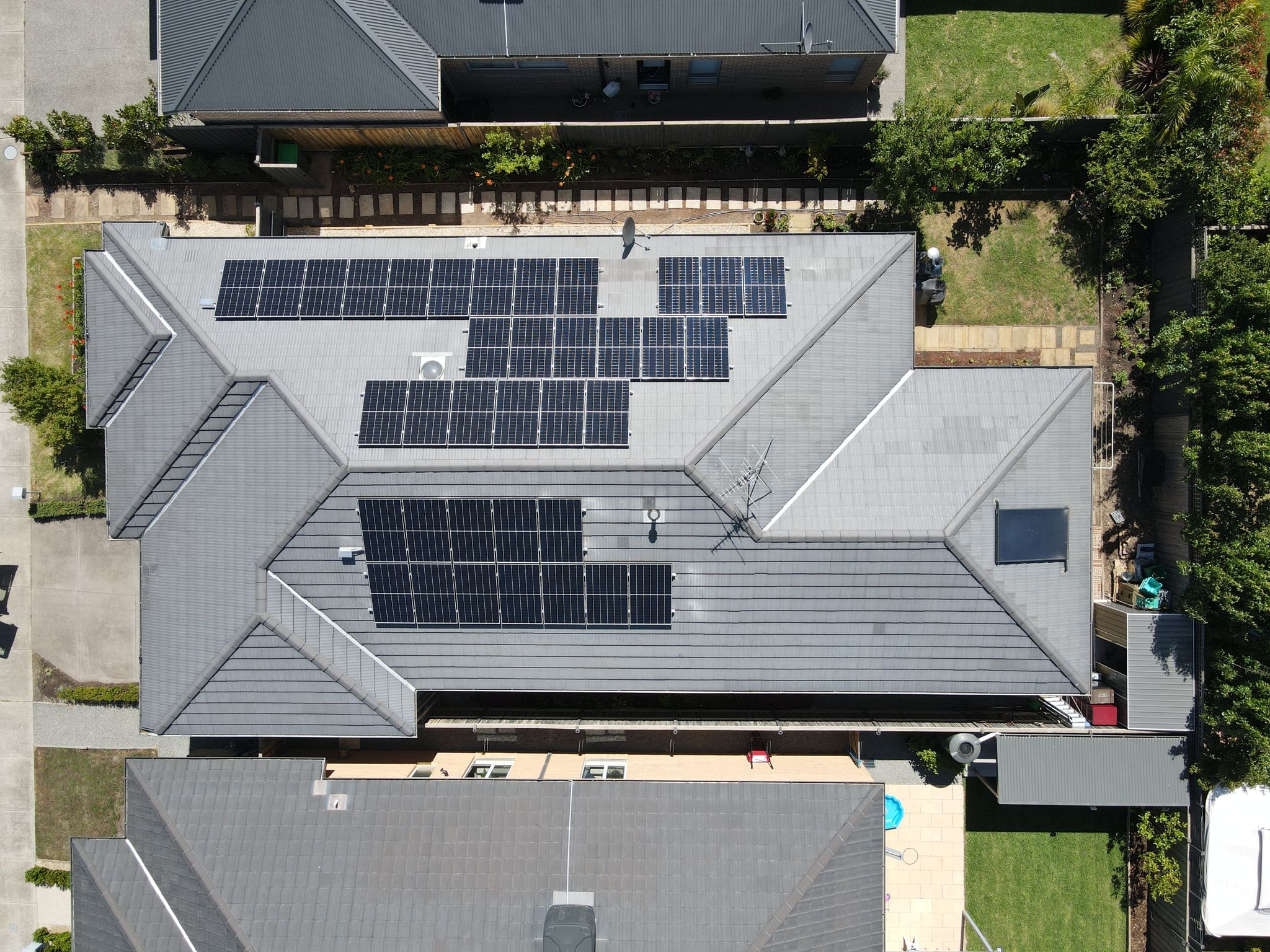
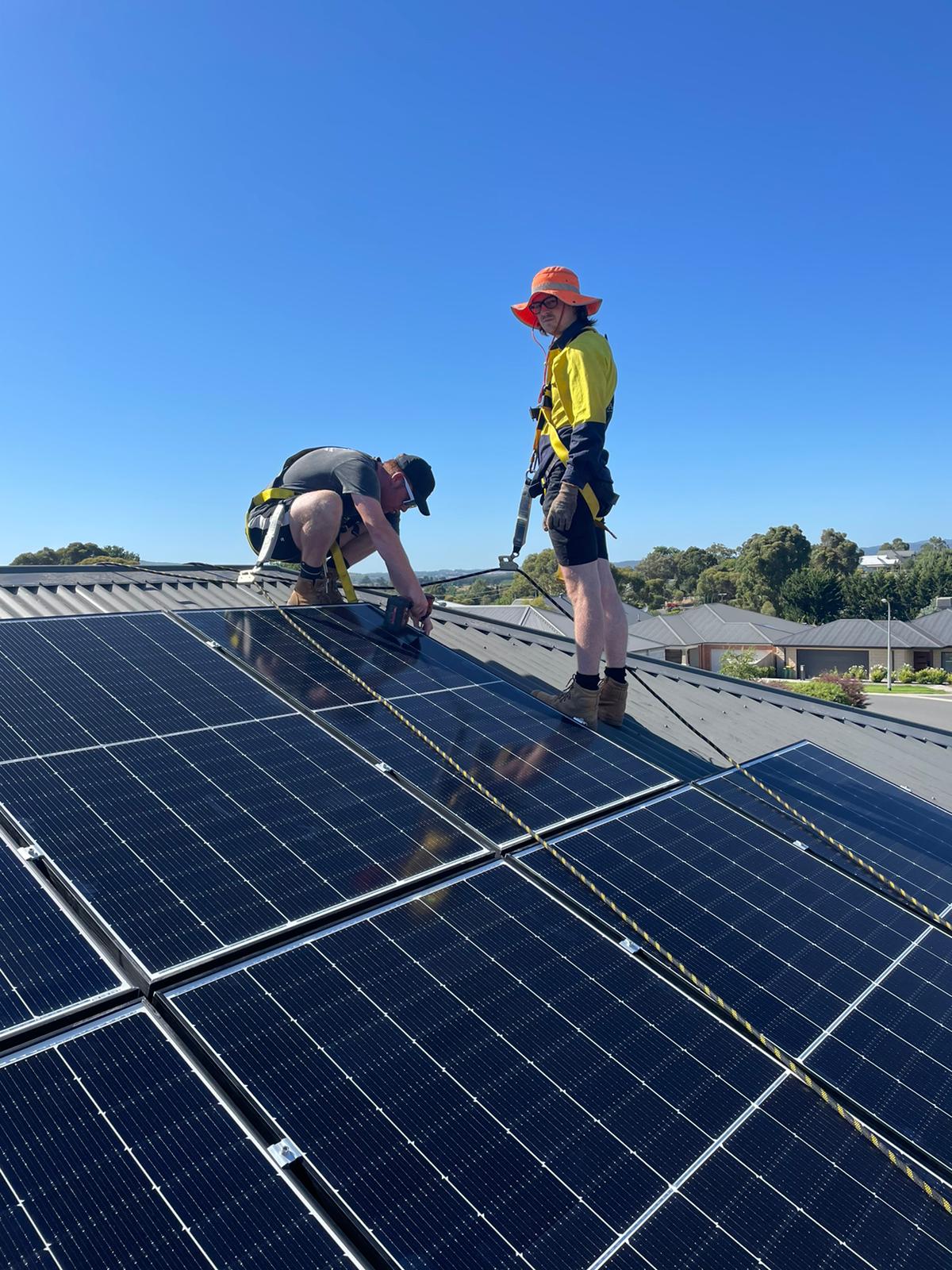
An attractive drawing that uses every available square metre may leave important questions unanswered. Ask how the layout accounts for roof geometry, obstructions, drainage and safe maintenance access. The right spacing and attachment details need to come from the site-specific engineering and product instructions.
Discuss how technicians will inspect the array later without damaging roof materials or blocking drainage paths. Also ask what happens if a roof leak develops beneath a module: who investigates, how access is arranged and how responsibility is documented. These practical details matter long after the installation photograph has been taken.
Look beyond the panels to cables and enclosures
US DOE guidance identifies unsecured wiring and weather-exposed electrical enclosures as potential failure points during severe conditions. Wind-driven rain and moving cables can create problems even when the modules remain attached. [2] Ask your installer how the whole electrical route is protected.
Request an explanation of cable support, connector placement, equipment location and the environmental ratings appropriate to the site. If the property has experienced flooding or salt exposure, raise that early. The designer should consider the actual setting instead of assuming that equipment described as suitable for outdoor use belongs anywhere outside.
Ask for installation evidence at handover
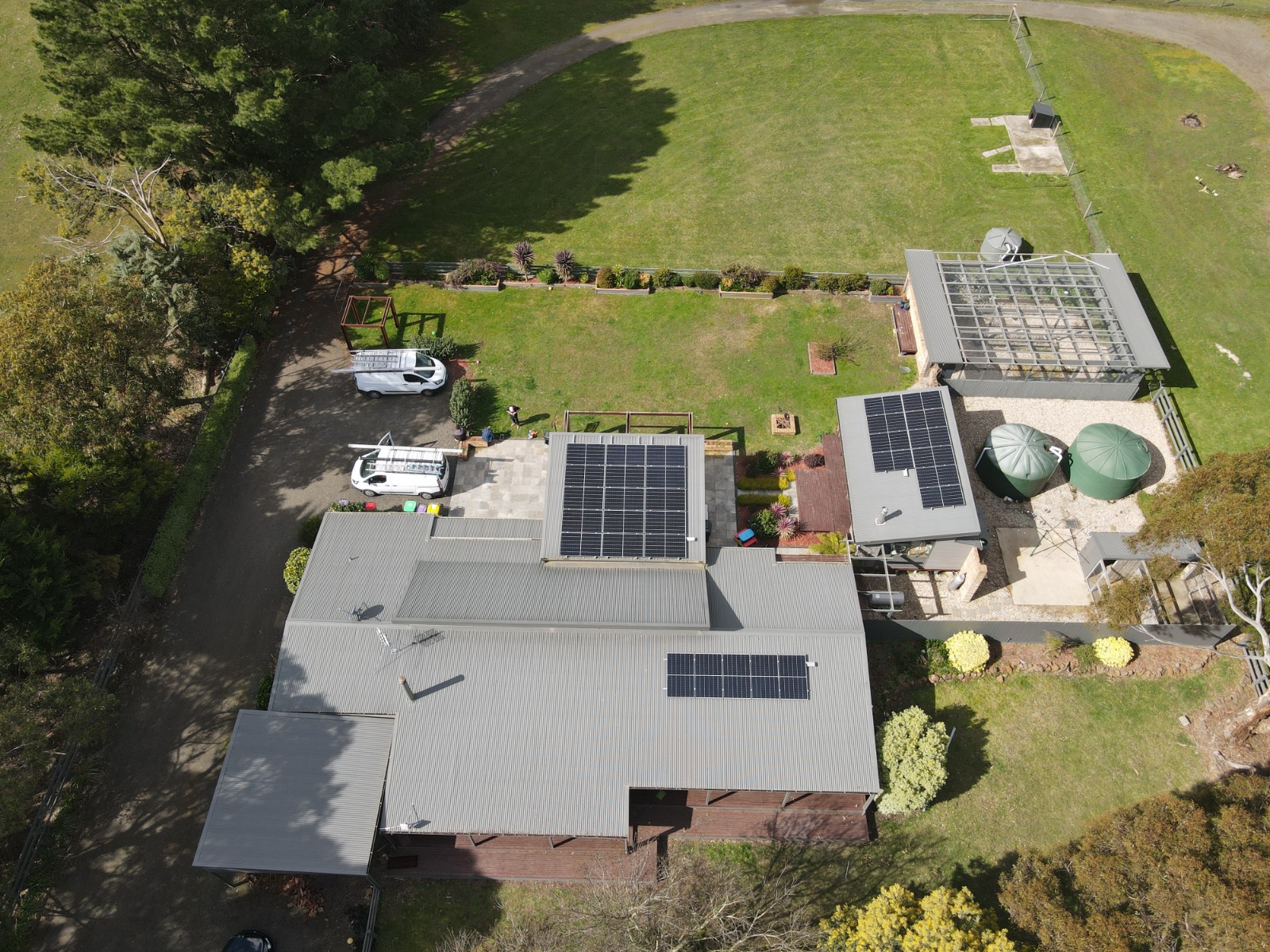
Good paperwork makes later inspection more useful. Ask for the final layout, equipment records, relevant design documents, commissioning results and photographs of important installation details. Clarify the workmanship warranty and the process for reporting a roof or electrical concern.
You are not expected to inspect hidden fixings yourself. Instead, ask how the installer records quality checks and confirms compliance with the specified mounting instructions. When a different technician visits years later, a complete record helps them understand what was installed and identify whether anything has changed since commissioning.
Prepare from ground level before bad weather
Before storm season, review the installer-provided operating instructions, emergency contacts and maintenance plan. From a safe location, note visible debris, vegetation changes or roof concerns and arrange professional attention where necessary. Do not climb onto a wet or windy roof or open electrical equipment.
If you have battery backup, know the supported circuits and the agreed reserve settings. Follow the system's own instructions and official weather advice when a storm approaches. A backup battery can support selected loads only within its design limits; it does not change evacuation advice or make a flood-exposed installation safe to use.
Know what to do after the storm
From a safe distance, look for displaced modules, loose cables, broken glass, water intrusion or other visible damage. Keep people away from damaged equipment and contact the installer or emergency services as appropriate. Solar wiring can remain energised in daylight, so do not handle debris attached to the array or attempt a repair. Queensland's Electrical Safety Office reinforces this general safety principle in its storm guidance. [3]
Keep photographs taken from a safe position and note the time of any monitoring alarms. Ask for professional assessment before returning damaged equipment to service. When discussing solar with Lightning Energy Philippines, include storm exposure in the first site conversation and request a design and aftercare explanation that you can keep with the property's records.
Sources & further reading
Sources used for this guide. Policy and product details should be checked for your particular installation.
- PAGASA — Tropical Cyclone InformationAccessed 20 September 2026
- US Department of Energy — Severe Weather Resilience in Solar Photovoltaic System DesignAccessed 20 September 2026
- Queensland Electrical Safety Office — Electrical Safety During StormsAccessed 20 September 2026