Across Asia
What Vietnamese Factory Rooftops Can Teach Philippine Businesses About Solar
An ADB-supported rooftop portfolio in Viet Nam offers a useful starting point for Philippine businesses: ask better questions about roofs, demand, contracts and responsibility.
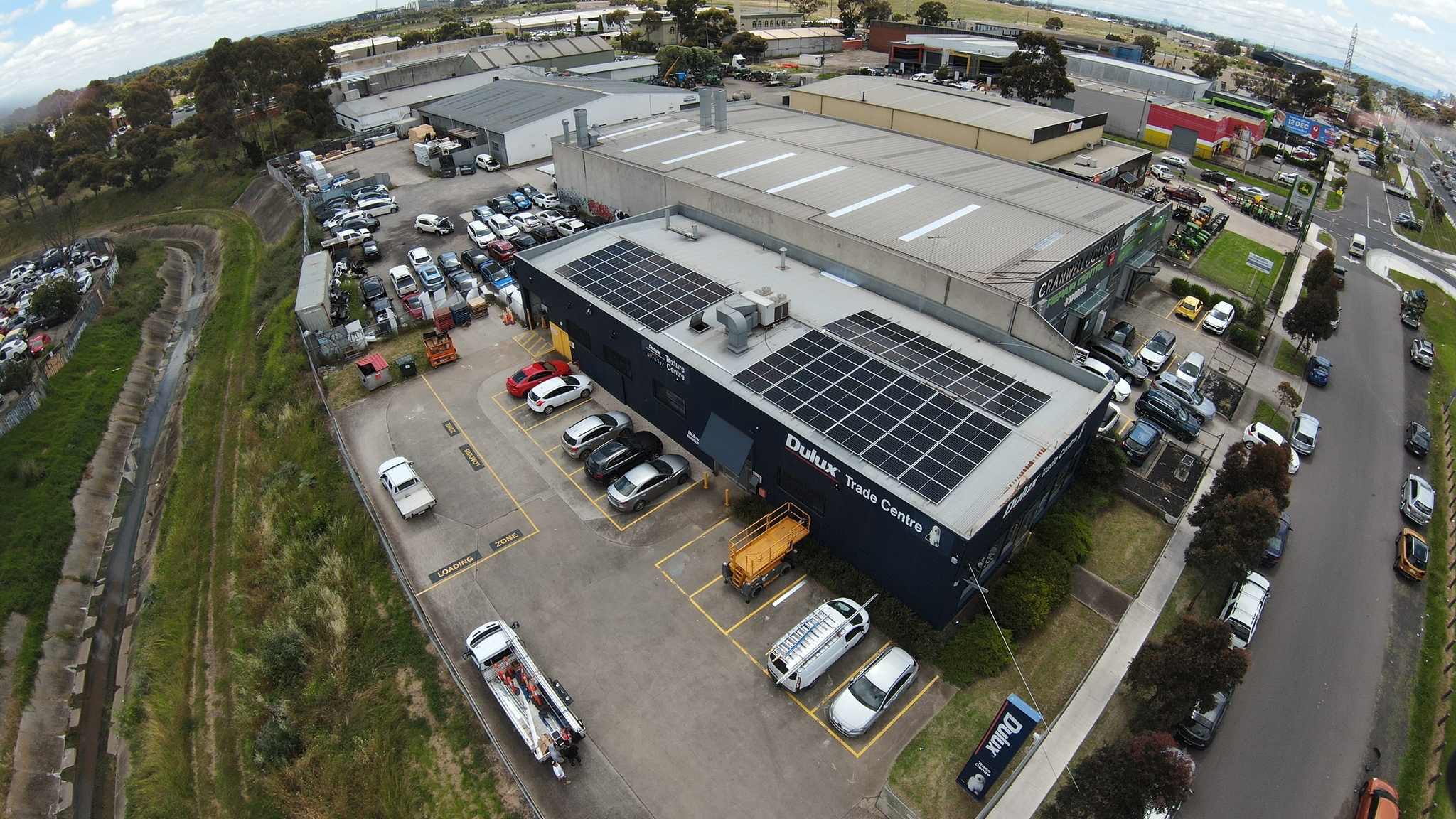
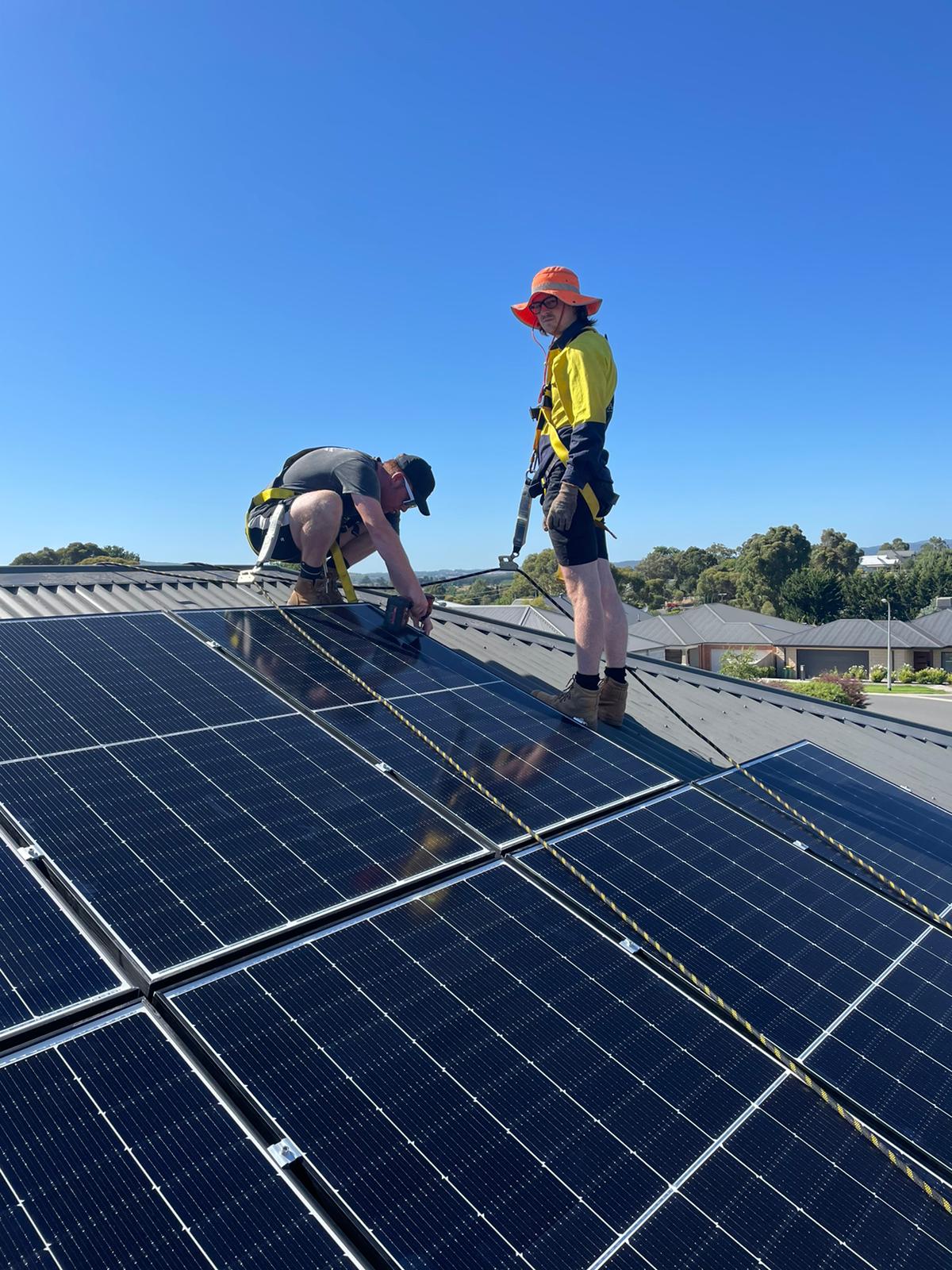
A factory rooftop can be more than unused space. It can host equipment that supplies part of the activity happening underneath it. Across a group of businesses, those individual roofs can become a portfolio worth financing and operating as a coordinated project.
Viet Nam offers a documented example through the Asian Development Bank’s GreenYellow Smart Solutions Rooftop Solar Project. The useful lesson for Philippine businesses is not to copy a foreign contract. It is to examine the practical questions that turn available roof space into a workable long-term energy arrangement.
Start with the documented project
ADB’s project record describes solar installations on the premises of commercial and industrial customers in Viet Nam. The project was approved in July 2023, and the record updated in March 2026 reports construction completed. Different parts of the record reflect different development stages, so portfolio counts should be read with their dates and context. [1]
In its September 2023 financing announcement, ADB described funding for rooftop systems and identified limited financing channels and high upfront costs as barriers to adoption. That is useful historical context for the project, not a statement that its financing terms are available in the Philippines. [2]
A roof needs a dependable working relationship
Our first practical inference is that the property agreement deserves as much attention as the array layout. A business consuming the electricity, a building owner and an equipment owner may be different parties. Their responsibilities need to fit together for the life of the arrangement.
For a Philippine assessment, ask who authorises roof access and what happens during building repairs, a tenancy change or a sale. If the roof needs work midway through a contract, who pays for removal and reinstatement? These questions are relevant whether the system is bought outright or sits within a more complex agreement. They should be resolved before a signing deadline creates pressure.
Useful demand matters more than empty area
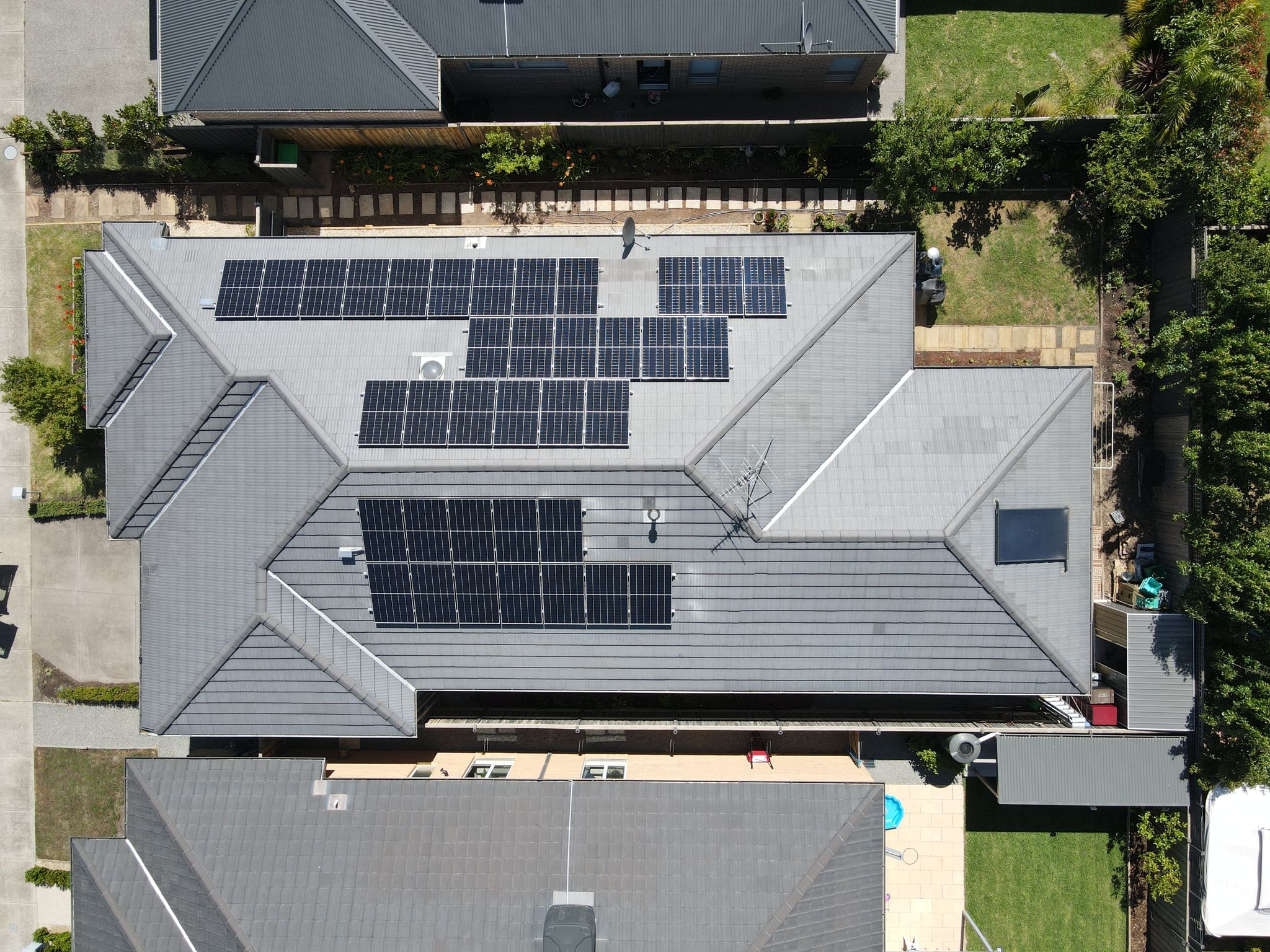
A big roof is a physical opportunity, not a complete business case. Model the electricity the site needs while solar is available. A daytime production line, a lightly occupied warehouse and an office closed on weekends can use generation very differently.
Ask the proposer to examine holidays, shutdowns and quieter trading periods. If output exceeds demand, what operating arrangement applies and how is the surplus valued or limited? Avoid a forecast that quietly assumes every generated kWh replaces the same bill cost. The comparison should reflect the actual utility account and the applicable local rules for the proposed project.
Read payment terms as operating commitments
If a third party proposes owning equipment and selling energy to the business, the contract needs careful local review. A Vietnamese example does not establish that a particular structure is appropriate or approved for a Philippine customer. Ask for the exact commercial and regulatory basis before treating it as a ready-made option.
Then examine the terms in ordinary business language: what triggers payment, whether there are minimum commitments, how prices can change and what happens if the business relocates. Compare the total obligations with an outright purchase using the same demand assumptions. The lowest initial payment is only one part of the decision.
Give maintenance and data an owner
A contract should say who monitors performance, who can access the data and how a fault is reported. Ask how response expectations are defined and what happens if site access delays a repair. If production is lower than expected, the agreement should explain how the cause is investigated.
Keep equipment performance and customer operations distinct. Lower electricity purchases might reflect a successful solar system, a quieter factory or both. Decide which measurements are available before agreeing on performance claims. Retain commissioning records, service reports and any changes to operating schedules so a later review has a reliable history.
Bring the lesson home with a smaller brief
A Philippine SME does not need to replicate a multinational portfolio to learn from it. Begin with one property: establish roof rights, collect bills, record working hours and list the people who must approve the project. Then request options with clear ownership and maintenance responsibilities.
The ADB and GreenYellow example belongs to those organisations and their project participants; it is not a Lightning Energy installation or funding offer. Its value here is as a prompt for better questions. Bring your site information to Lightning Energy and ask for a proposal that explains how the physical design and the business arrangement will work together over time.
Sources & further reading
Sources used for this guide. Policy and product details should be checked for your particular installation.
- ADB — GreenYellow Smart Solutions Rooftop Solar Project, 56245-001Project approved 17 July 2023; record updated 9 March 2026
- ADB — GreenYellow Commercial and Industrial Rooftop Solar Financing in Viet Nam11 September 2023