Solar basics
Zero-Export Solar or Net Metering: Which Route Fits Your Home?
Compare own-use solar with approved net-metering exports. See how daytime demand, surplus electricity and the Philippines' 2026 policy changes affect the questions to ask.
You can want solar for your own appliances without wanting to export electricity. You can also want a system that uses solar at home and earns credits from approved surplus exports. These are different operating arrangements, and the difference should be clear before you accept a quotation.
The Philippine DOE introduced new own-use solar guidelines in August 2026. This article explains the practical choice using the final circular and current Meralco guidance checked on 20 September 2026. Your specific category and installation still need to be identified correctly.
Understand what zero export is designed to do
A connected zero-export installation serves loads within the property while controls prevent electricity being sent into the distribution grid. When available solar exceeds what the home and any compatible battery can accept, the system may need to reduce production. That reduction is often called curtailment.
Picture a fictional home where daytime demand falls after everyone leaves. A correctly configured controller must respond to that change; an intention to 'use everything ourselves' is not a control mechanism. Ask the designer how export is measured, how output is limited and how the arrangement is tested at handover.
Understand what net metering adds
Net metering provides an approved route for surplus energy to be exported and credited. It does not turn every unit generated into a retail-rate credit. Meralco applies its specified generation-based export rate rather than the complete retail purchase rate. [1]
Think of a sunny day when the washing is finished and the aircon is off. Net metering may let eligible surplus leave the property under the agreed arrangement. Zero export may instead limit production once local demand and any available storage are satisfied. The useful comparison is the value of that surplus against the costs and requirements of the chosen design.
Read the 2026 categories carefully
DOE Circular DC2026-08-0017 distinguishes connected and isolated self-generating zero-export facilities from Micro-Solar Systems. Its micro-solar category has both a panel limit of 1 kW DC and an inverter limit of 0.8 kW AC, alongside specified safety features. These categories are not interchangeable. [2]
For household zero-export facilities, the circular provides a COC exemption. Building-permit treatment depends on the LGU's acceptance of existing clearance; connected systems require notification. Safety and other applicable obligations remain. [2] Ask the installer to identify the exact category in writing and explain the documents applicable to your property, rather than describing every own-use installation as 'permit-free.'
Compare designs using a realistic quiet day
Most households remember their busiest electrical moments. Zero-export sizing also needs the quiet periods. Consider weekdays when only the refrigerator and a few background loads remain, weekends away, and days when your usual home office is empty.
Ask for an energy estimate showing direct consumption and curtailment for the zero-export option, then direct consumption and exports for the net-metering option. Use the same roof, weather and load assumptions in both. This reveals whether an extra section of panels is mainly serving useful demand or producing surplus that the chosen arrangement cannot use.
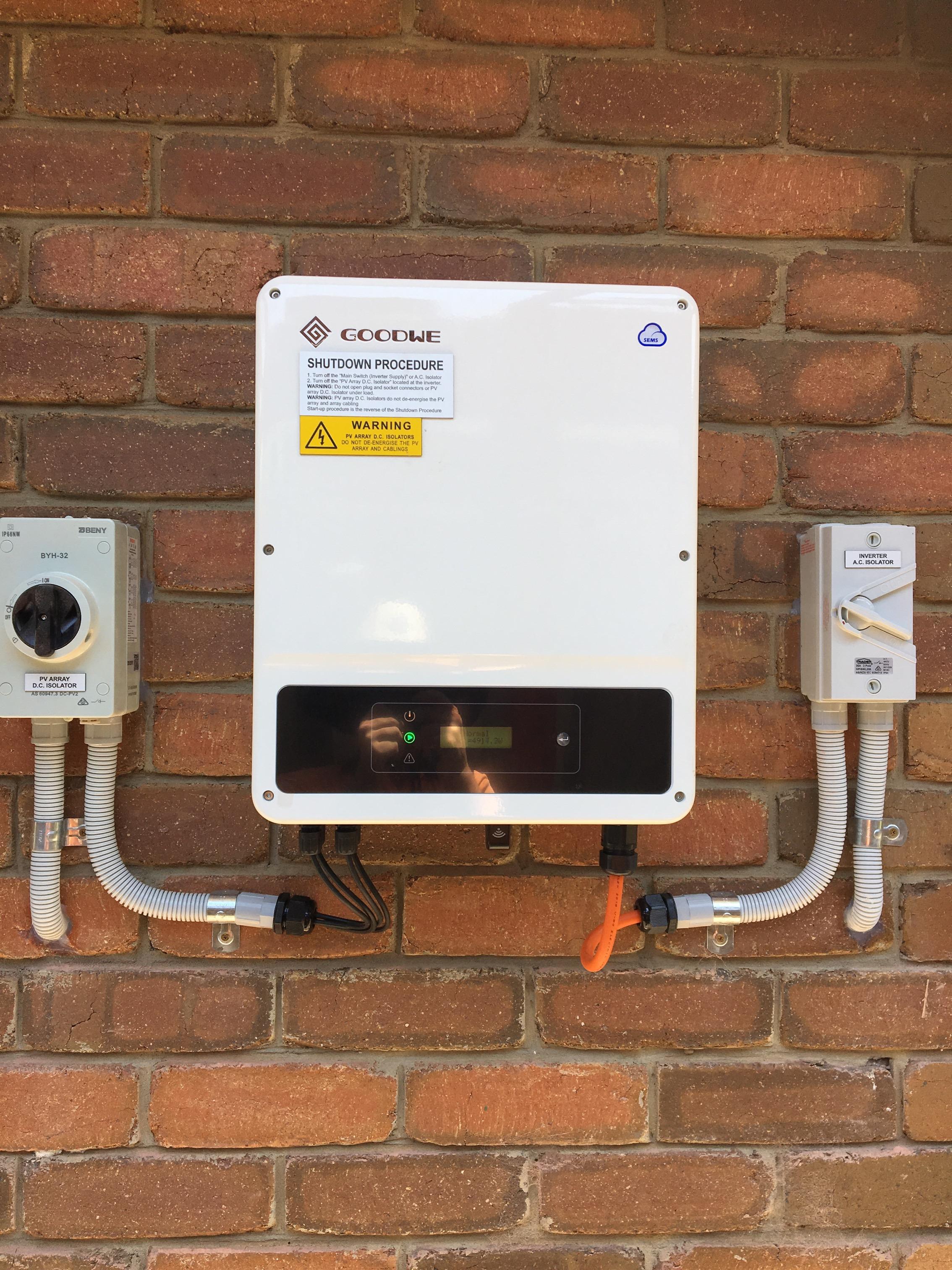
A battery changes the calculation, not the rules by itself
A battery can accept some surplus when it has available capacity and the system permits charging. Once it reaches its operating limit, surplus still needs a destination or production must be reduced. Buying a battery does not make an export arrangement unnecessary in every design, nor does it automatically enable outage backup.
Ask for separate explanations of battery charging, export control and brownout operation. Also ask what happens on a sunny day after the battery fills. Comparing the extra cost of storage with the useful energy shifted into your evening routine is more informative than assuming all otherwise curtailed energy can be recovered.
Keep the utility informed and settings documented
Meralco's current FAQ says customers who only want own consumption can use its zero-export route and should inform the utility. [3] The final DOE circular provides notification and ongoing control obligations for connected zero-export facilities. [2]
Request a handover record showing the approved operating arrangement, installed controller and who is authorised to adjust relevant settings. Changing an app setting after installation can alter how energy moves at the connection. If you later want to export, ask the utility and installer to handle the transition properly rather than treating a software switch as enrollment.
Choose the arrangement around your actual priorities
Zero export may suit a design with strong daytime demand and limited useful surplus. Net metering may add value where eligible exports are expected. Roof capacity, household schedules, administrative requirements and the economics of the proposed equipment all belong in the comparison.
Ask Lightning Energy Philippines for a clear explanation of the energy you would use, export or curtail under each relevant option. Include any plans for a battery or future appliance. The goal is a system whose operation you understand on a busy weekday, a quiet Sunday and a brownout—not simply the shortest label on a package.
Sources & further reading
Sources used for this guide. Policy and product details should be checked for your particular installation.
- Meralco — Net-Metering Billing FAQsAccessed 20 September 2026
- Philippine DOE — Final Department Circular DC2026-08-0017August 2026; accessed 20 September 2026
- Meralco — Net-Metering and Zero-Export FAQsAccessed 20 September 2026