Across Asia
Asia’s Battery Supply Chain: Make After-Sales Support Part of Procurement
A global manufacturing story becomes a local ownership question when a battery needs documentation, parts or service.
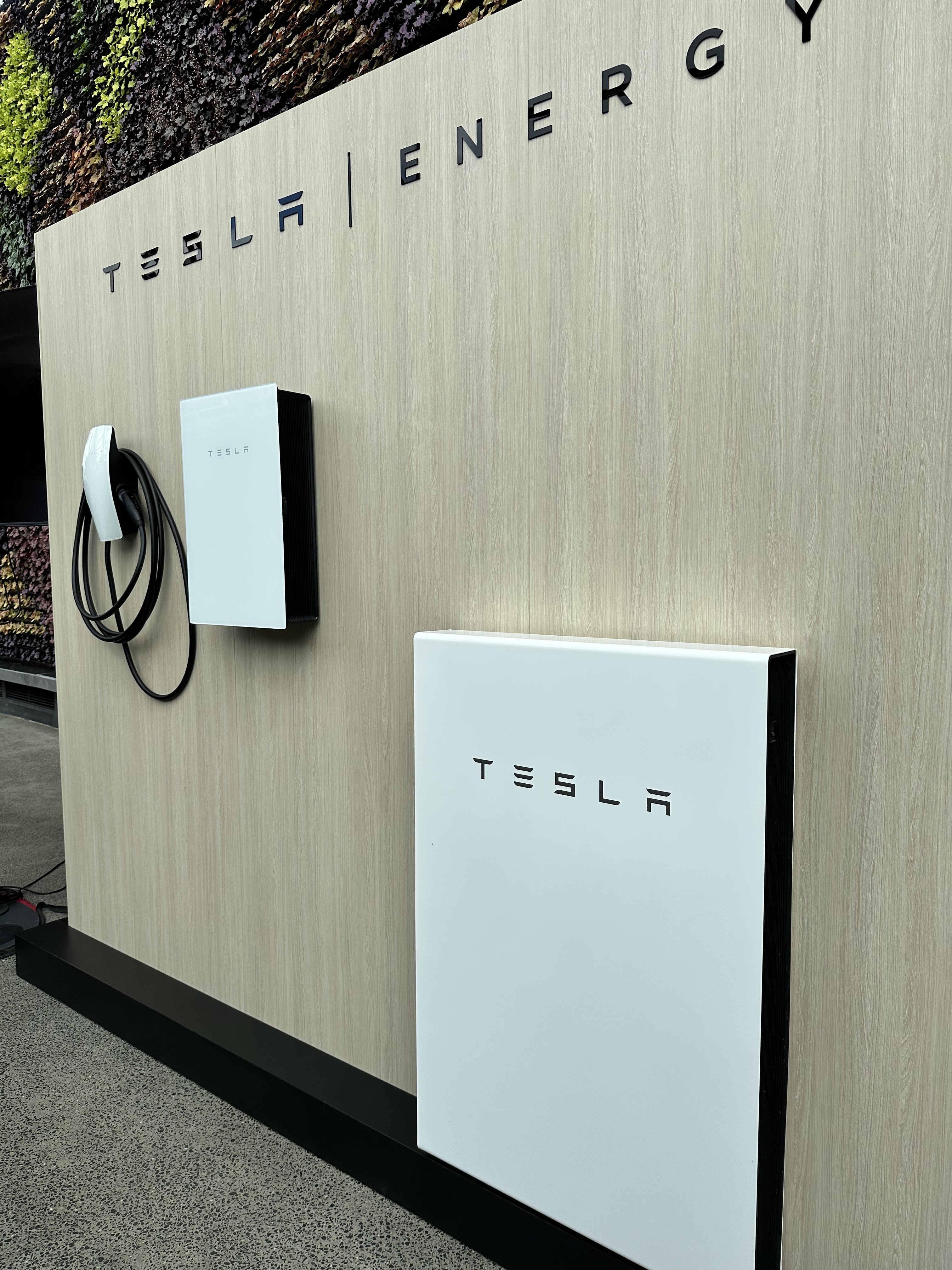
A battery can pass through several organisations before it reaches a Philippine property: the manufacturer, importer, distributor, installer and service provider may all be different. The name on the enclosure tells only part of that story.
Understanding the route from factory to owner helps a buyer ask practical questions about documentation and support. The aim is not to judge a product by nationality. It is to make the responsibilities behind a particular offer visible before purchase.
Read supply-chain news at the right scale
The IEA’s 2024 battery assessment identifies geographically concentrated manufacturing and mineral processing. [1] That industry picture does not establish the quality or service record of an individual supplier. Use it as a reason to examine the actual delivery arrangement, not as a shortcut for ranking products by country. Ask which legal entity is selling the equipment, which entity imports it and which organisation will support it locally. Those identities should appear consistently in the quotation and supporting documents.
Trace the product you are offered
Record the exact model, revision where relevant and included accessories. Ask how the seller confirms the provenance of the equipment and provides the documents needed for the installation and warranty. A familiar brand name on a sales page is not the same as a verified supply route. If a quote allows substitutions, require the proposed replacement to be reviewed before delivery. The owner needs to know whether a change affects compatibility, support arrangements, contractual terms or the design already assessed.

Give every promise a responsible party
Separate product support, installation workmanship, monitoring and routine maintenance in the agreement. Name the contact for each and the escalation path when a problem spans more than one organisation. For an illustrative small business, a helpful test is to ask who answers if the dashboard stops reporting while the equipment appears to operate. The point is not to predict that event. It is to see whether the support arrangement can handle an ordinary ambiguous problem without sending the owner in circles.
Treat service design as part of ownership
NREL’s operation-and-maintenance guidance connects project design and implementation with later maintenance outcomes. [2] Apply that principle by asking how the proposed installation will be inspected and serviced. Request the records and access arrangements a technician will need. Do not assume that a product warranty includes every visit, labour charge or transport cost. Read the actual terms and put unanswered questions into the procurement record so the total responsibility is clear before the system is accepted.

Distinguish stock from a future promise
Ask whether the quoted equipment is available, reserved, in transit or dependent on a future order. Confirm the process for communicating delays and the conditions under which a substitution can be offered. For replacement support, ask what the supplier commits to rather than demanding an unsupported assurance that every component will always be stocked. Written service terms, expected lead times and escalation procedures give the owner a more useful basis for comparison than a general statement that parts will be easy to obtain.
Keep the records outside one person’s inbox
At handover, retain the purchase documents, equipment identities, warranty registrations, commissioning records and service contacts in a place the owner controls. For a business, nominate a second person who can locate them if the usual manager is absent. Record later equipment or supplier changes. This administrative step is inexpensive compared with reconstructing the history of a system years later. It also makes a change of installer or property manager easier to manage without losing the evidence attached to the original purchase.
Buy a clear route through the whole lifecycle
A good procurement discussion follows the system from quotation to delivery, acceptance, normal operation and eventual replacement. Lightning Energy Philippines can explain the responsibilities attached to its proposed scope and identify information still needed from the relevant suppliers. Asian manufacturing developments remain important background, but local ownership depends on a specific chain of accountability. The buyer should finish the process knowing what was supplied, who supports it and where the evidence can be found when it is needed.
Sources & further reading
Sources used for this guide. Policy and product details should be checked for your particular installation.
- IEA: Batteries and Secure Energy Transitions—Demand and Supply2024; accessed 27 September 2026
- NREL: Best Practices for Operation and Maintenance of Photovoltaic and Energy Storage Systems, third edition2018; accessed 27 September 2026