Care & performance
Heat and Heavy Rain: Put Climate Exposure into the Solar Asset Register
A practical business process for connecting site exposure, equipment records and service responsibilities.
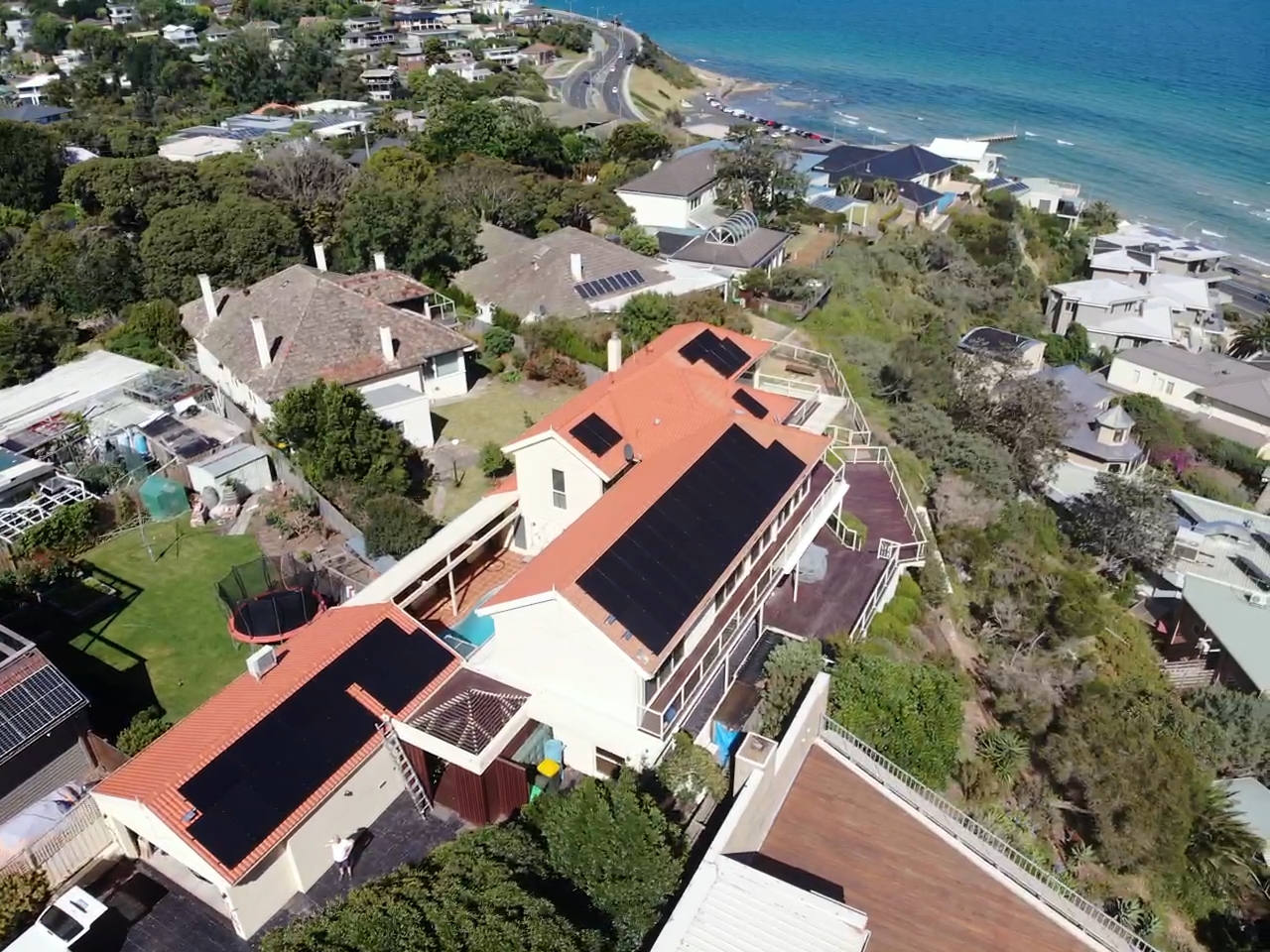
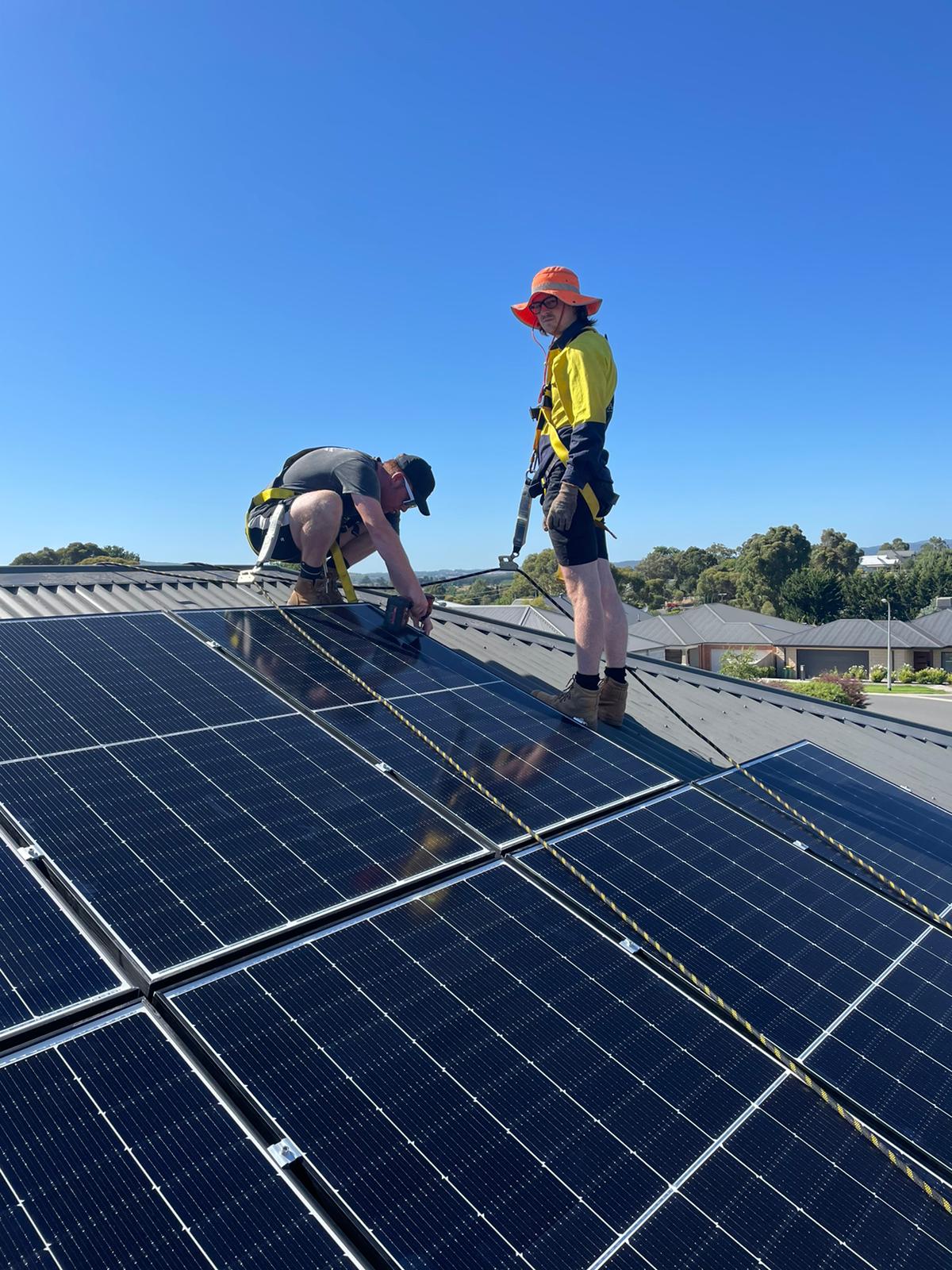
A business with solar at several properties can face very different conditions from one site to the next. One location may have difficult access after heavy rain, while another has exposed equipment areas or an unusually hot working environment.
Treating every installation as the same entry in an asset spreadsheet loses that context. A more useful register connects each site’s assessed exposure with the people, documents and service actions needed to manage the system over time.
Start with the site, not a regional average
The IEA’s Southeast Asian climate-resilience assessment discusses heat, flooding and other climate pressures on energy infrastructure. [1] It does not determine the exposure of an individual Philippine property. Ask the relevant specialists to assess the actual site and record the evidence they use. Historical access problems, drainage concerns and known building constraints can be useful inputs. Keep observed facts separate from assumptions so a later reviewer can understand why a particular design or maintenance decision was made.
Make the asset register operational
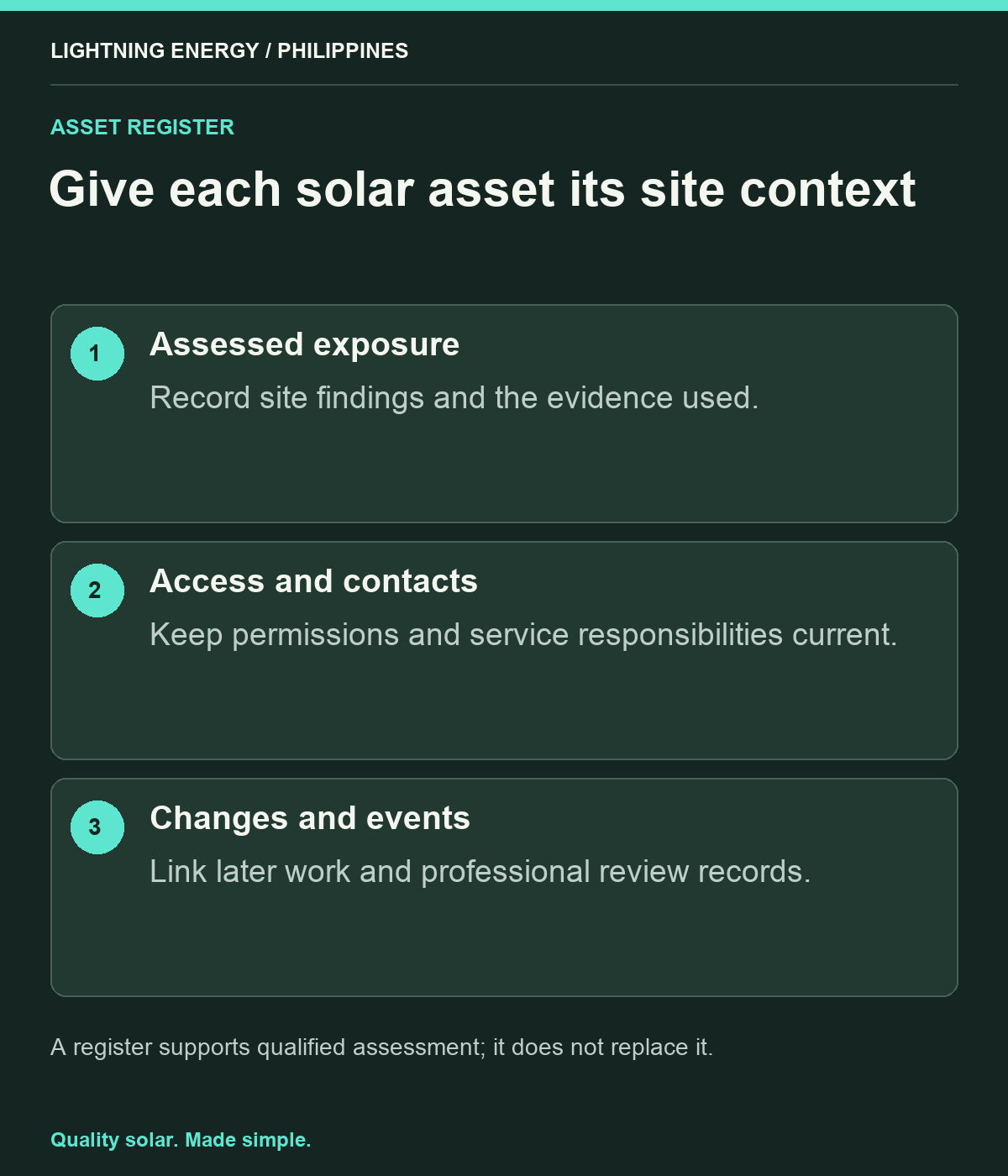
Alongside the equipment identity and installation date, include the approved location, responsible contact, inspection records and access arrangements. Link to the final drawings and the applicable manufacturer instructions instead of trying to copy every technical requirement into a spreadsheet. For an illustrative multi-branch business, use the same headings at each site while allowing the site-specific notes to differ. Consistency should make information easier to find; it should not erase the conditions that make one property different from another.
Ask how the load may change too
The IEA’s Southeast Asia outlook identifies cooling as an important driver of regional electricity demand. [2] At the property level, record actual changes in equipment and operating schedules rather than assuming the original load profile remains fixed. A refurbished office, expanded cold room or altered opening time can change the project brief. Ask for a review when a material change occurs. The register should capture those changes so performance discussions use the current business context instead of an outdated design assumption.
Connect alerts to a response
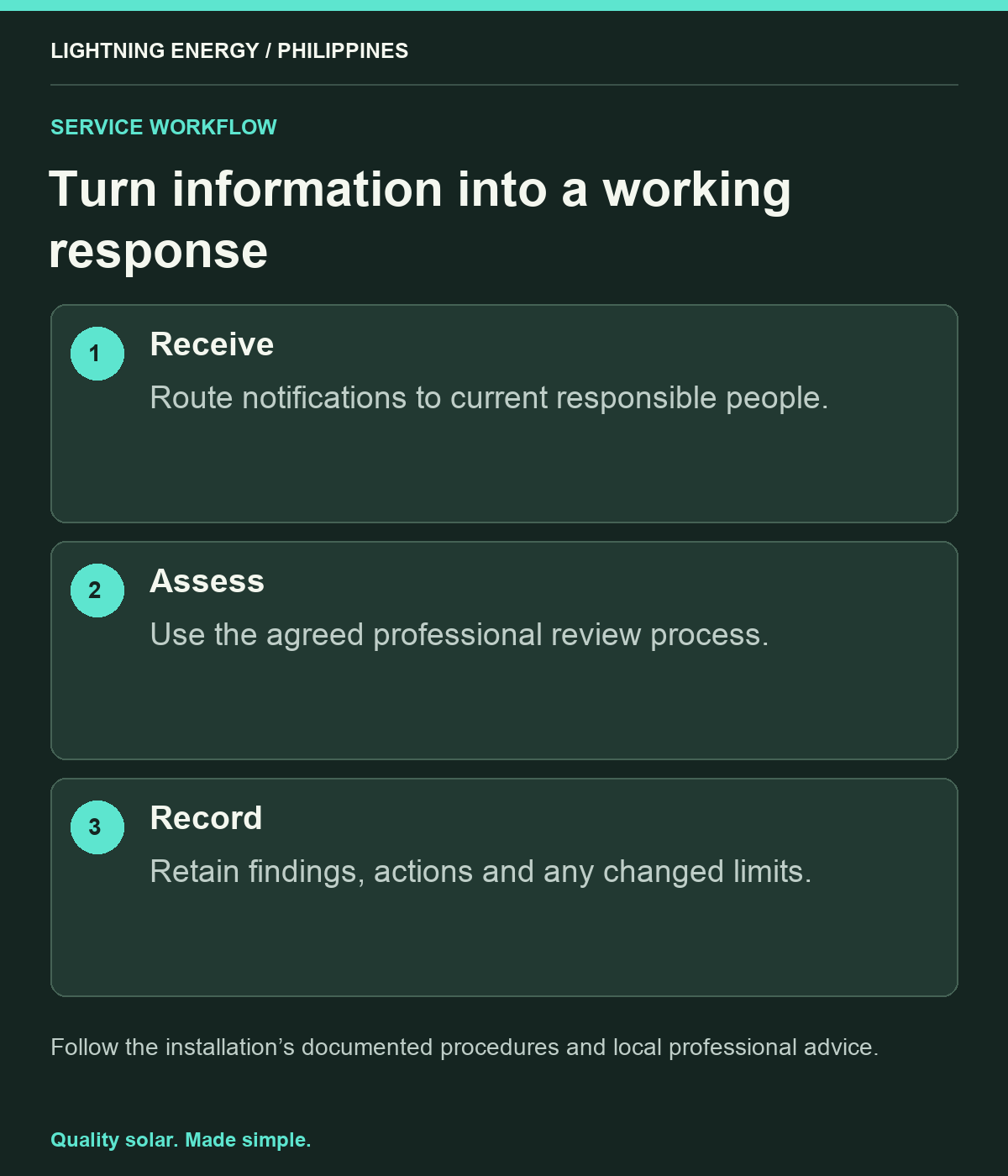
Decide who receives monitoring notifications and who checks whether the relevant staff can act. An alert sent to a former employee is not a functioning process. Write a simple escalation route that includes the service provider and the person authorised to arrange access. Keep any emergency procedures aligned with the installation documentation and local professional advice. The owner’s role is to maintain a clear reporting and response arrangement, not to improvise electrical inspections or operate unfamiliar equipment during severe conditions.
Plan access before the awkward day
Ask how technicians reach the equipment, what site permissions they need and whether ordinary business activities can obstruct the route. Record any assessment or preparation needed for planned work. A business can help by keeping access information current and coordinating maintenance with the service team. This is especially valuable at sites where deliveries, tenants or security arrangements change. A technically sound installation still needs a practical way for qualified people to inspect it and complete authorised work when required.
Review the evidence after a significant event
After an event that may have affected the property, follow the agreed professional assessment process and retain the findings. Distinguish a monitoring interruption from a confirmed equipment problem, and record any action taken. Avoid using an absence of visible damage as a substitute for the required review. Equally, do not assume every performance variation means damage occurred. The useful outcome is a documented conclusion by the appropriate people, with any changed operating limits or follow-up work clearly assigned.
Use the register to improve the next project
At a regular management review, look for repeated questions: missing documents, difficult access, unclear contacts or unrecorded equipment changes. Resolve those issues at existing sites and include the lessons in the next procurement brief. Lightning Energy Philippines can discuss the solar service information relevant to a proposed installation. A climate-aware asset process is not a promise of immunity from weather. It is a way to keep design evidence, local conditions and operating responsibilities connected throughout ownership.
Sources & further reading
Sources used for this guide. Policy and product details should be checked for your particular installation.
- IEA: Climate Resilience for Energy Security in Southeast Asia2024; accessed 27 September 2026
- IEA: Southeast Asia Energy Outlook 2024, executive summary2024; accessed 27 September 2026