Solar for business
Solar para sa Negosyo: Is Your Shop, Office or Warehouse a Good Fit?
A busy roof is not enough to make a good business solar project. Start with operating hours, electricity demand, roof rights and a clear plan for long-term ownership.
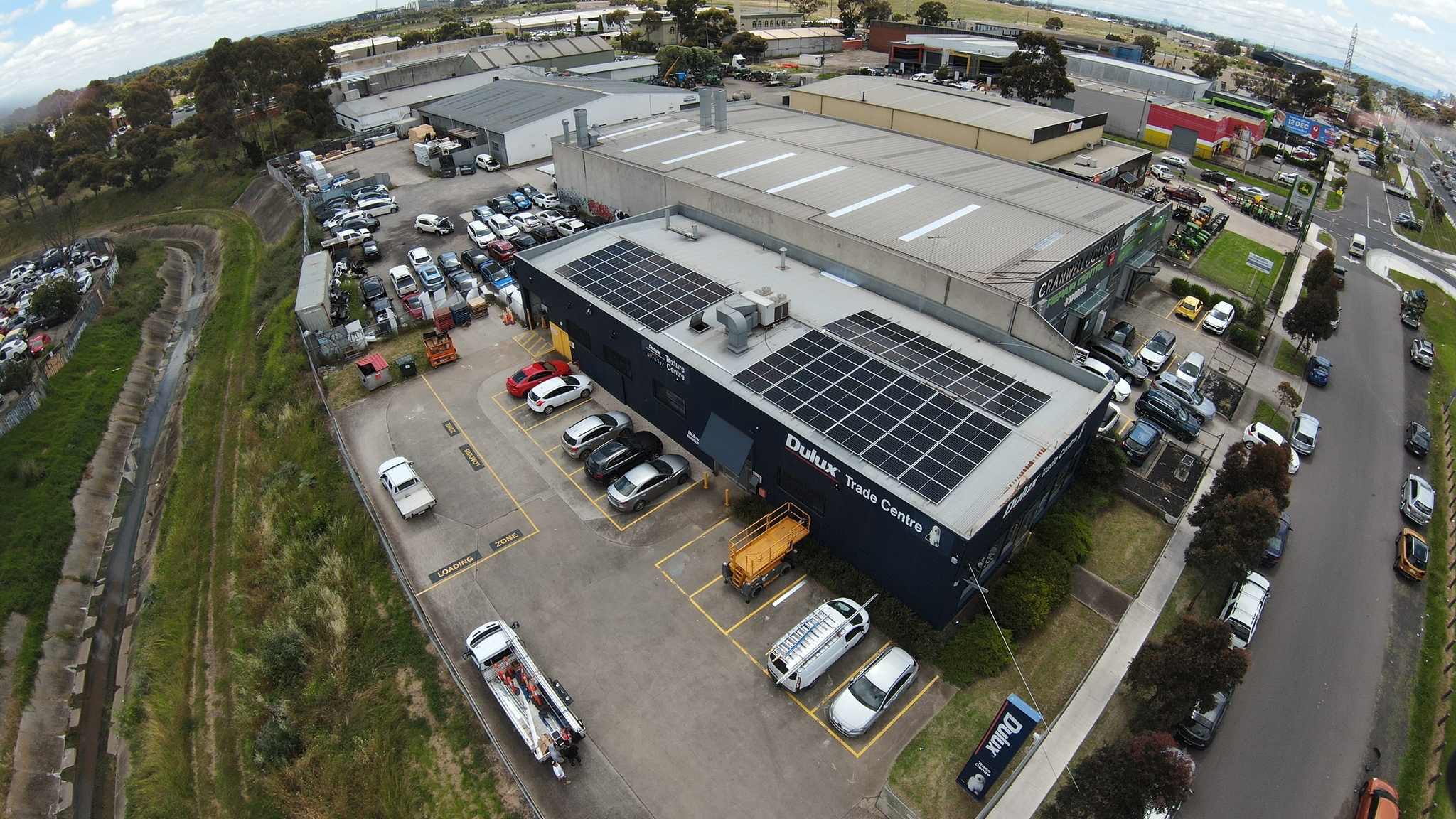
For a business, solar is an operating decision as much as an equipment purchase. The right discussion starts with how the premises work: when staff arrive, when machines run, who controls the roof and how long the business expects to remain there.
A convenience shop, an office and a warehouse can have similar monthly bills but very different opportunities. Solar para sa negosyo becomes clearer when the proposal reflects those differences. Here is a practical way to decide whether your property deserves a detailed assessment.
Follow the working day
Build a weekly operating schedule. Include opening hours, shifts, lunch breaks, deliveries and weekend activity. Then identify equipment that runs outside those hours, such as refrigeration, servers or security systems.
Consider two hypothetical businesses: an office busy during daylight and an events venue busiest at night. Even with equal monthly consumption, the office may have more direct overlap with daytime solar generation. That is a starting hypothesis to test with data, not a guaranteed ranking. A business with a large roof and little daytime demand needs an explanation of how surplus production will be managed and valued.
Read more than the monthly peso total
Collect a year of bills where available and ask the designer which tariff details affect the calculation. Energy use in kWh is central, but some business accounts also contain charges that require separate analysis. Do not assume every peso on the bill falls in proportion to solar generation.
Interval electricity data is particularly useful because it shows when demand occurs. If you cannot obtain it, an assessment can identify an appropriate measurement approach. Flag unusual periods: a shutdown, a new production line or an unusually quiet quarter. A forecast built on an unrepresentative month can make a perfectly sound technology look like the wrong investment.
Check the property commitment
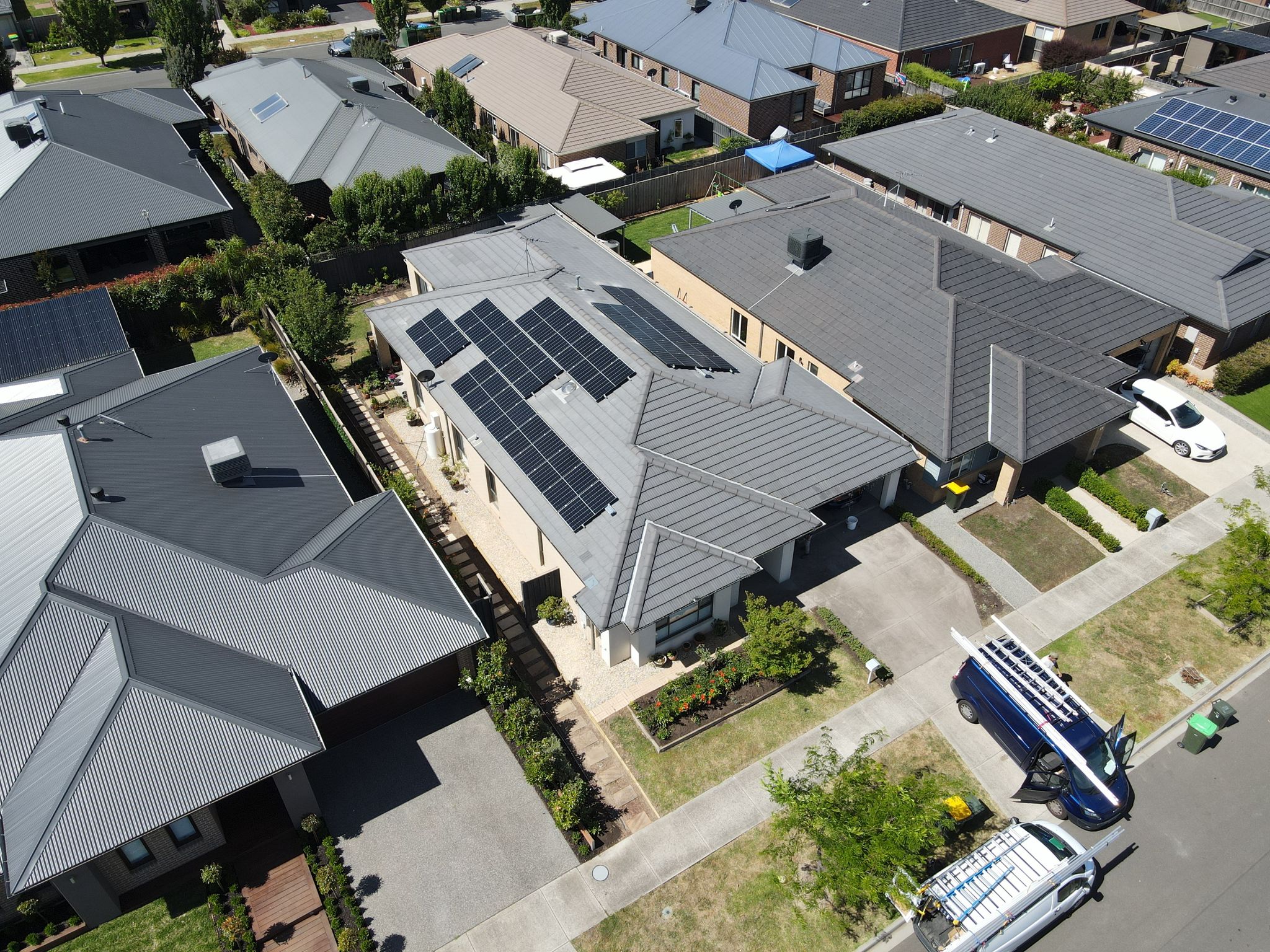
Confirm ownership or permission to use the roof before spending time refining a layout. A tenant needs a workable agreement with the property owner, including access, maintenance responsibilities and what happens if the lease ends. The solar project timeline and occupancy timeline should make sense together.
Ask about planned roof repairs and future alterations. A warehouse owner may want to add ventilation equipment; an office may be considering another floor. Make those plans part of the design brief. Request a written allocation of responsibility for roof condition, mounting and waterproofing, along with a process for resolving a problem involving more than one contractor.
Keep the operating route explicit
Philippine commercial rooftop solar is already the subject of substantial investment. ADB’s Buskowitz Rooftop Solar Project supports a portfolio on commercial and industrial buildings in the Philippines. It is a separate developer’s project, not a Lightning Energy installation or financing offer. [1]
Your own proposal still needs a site-specific operating and approval path. DOE announced streamlined own-use solar rules in August 2026, while retaining technical safeguards. That high-level development does not mean every commercial project has identical requirements. Ask the designer to identify the applicable category, utility coordination, export arrangements and local approvals for this particular business. [2]
Compare ownership responsibilities alongside cost
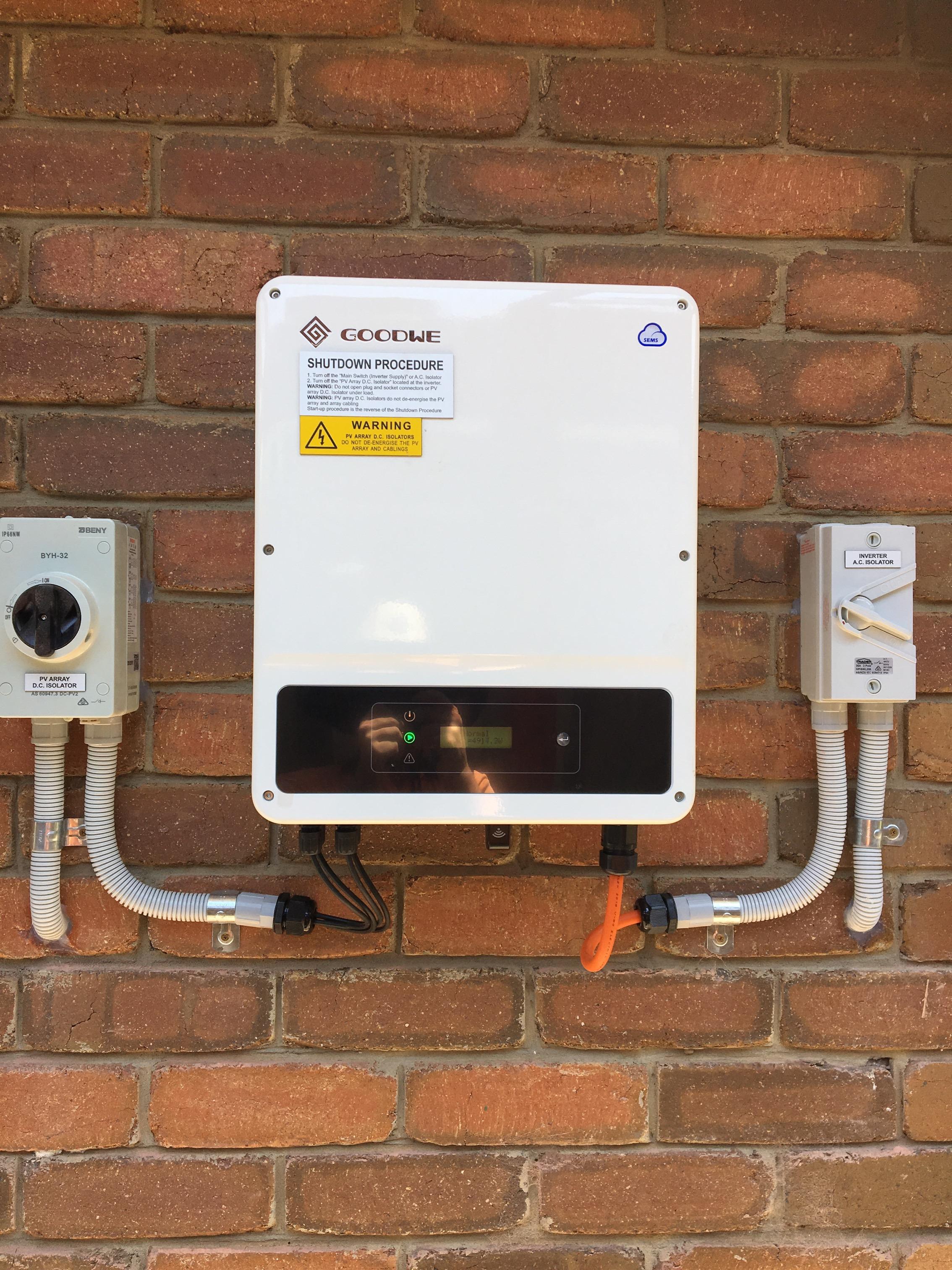
Whether you are assessing an outright purchase or another contractual arrangement, list every payment and obligation. Include the installation scope, any electrical upgrades, maintenance, insurance questions, likely equipment replacement allowances and how the system is removed or transferred later.
Ask for a base case and a lower-benefit case. What changes if production is lower than modelled, daytime demand falls or the business moves? If a proposal includes financing, compare the payment schedule with the forecast cash benefit rather than looking only at simple payback. These are questions for a transparent business assessment, not reasons to assume a particular funding model will suit every company.
Define success before installation
Choose a small number of useful measures: recorded generation, direct on-site consumption where measurable, downtime and the difference between forecast and actual bill impact. Give someone responsibility for reviewing them. A dashboard is more useful when a person has time and authority to act on an alert.
Also decide whether business continuity is a separate requirement. Ordinary grid-connected solar should not be treated as a promise that tills, computers or refrigeration will run through a brownout. Share critical loads and acceptable downtime with Lightning Energy at the assessment stage. A good proposal should show how the project fits daily operations and which business goals require additional equipment or planning.
Sources & further reading
Sources used for this guide. Policy and product details should be checked for your particular installation.
- ADB — Buskowitz Rooftop Solar Project, 57065-001Project record updated 28 July 2026
- Philippine DOE — Simplified Rules for Own-Use Solar20 August 2026