Across Asia
Sri Lanka’s Rooftop Finance Story: Credit Works Better with Technical Readiness
Sri Lanka’s rooftop programme paired lending with project preparation. Philippine buyers can apply the same discipline to a financed purchase.
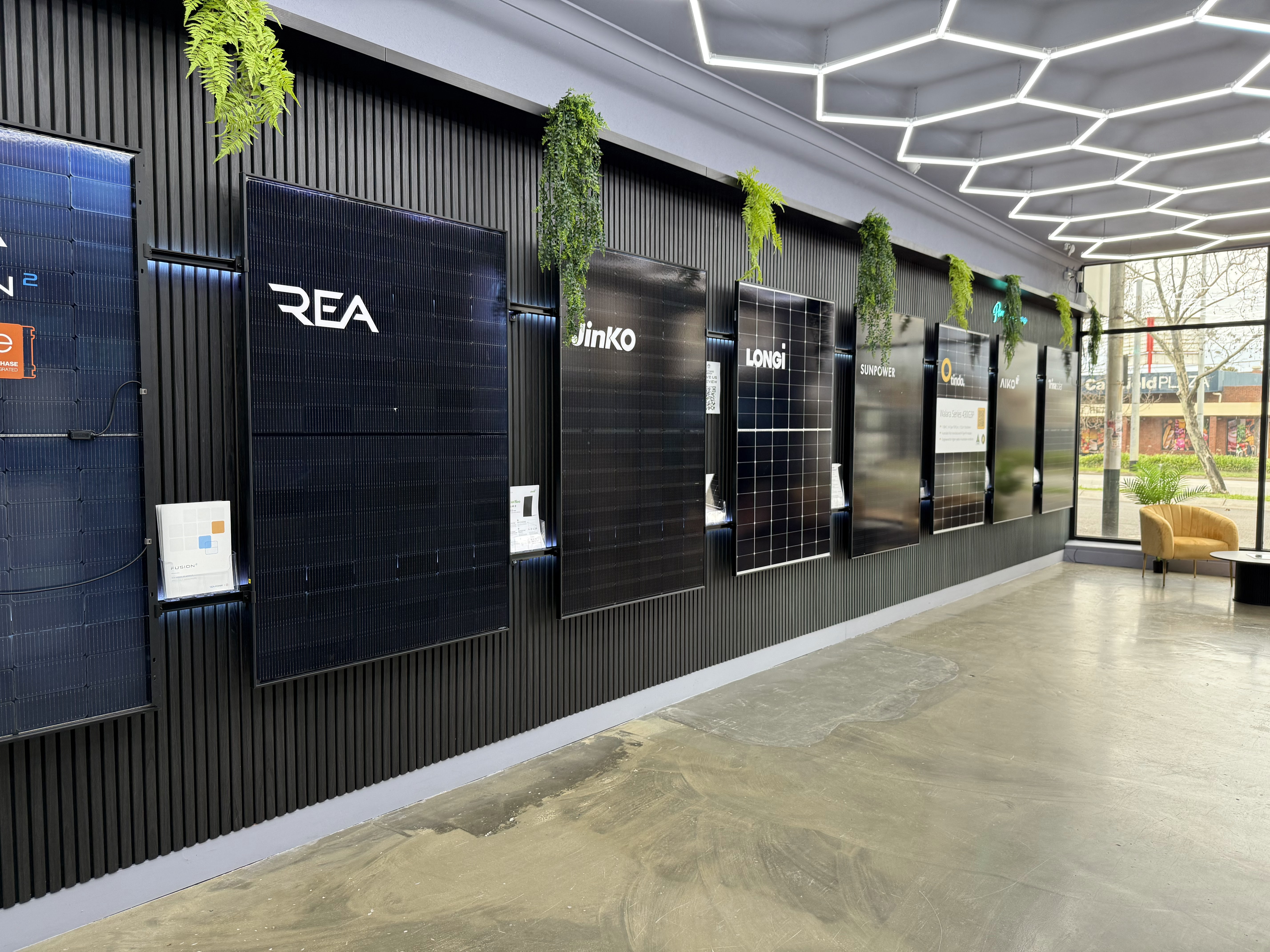
Access to finance can help a solar project move from interest to installation, but a loan does not make an unsuitable roof or unclear energy model become suitable. Sri Lanka's rooftop experience is useful because it linked finance with preparation and technical capacity.
For Philippine households and businesses, the lesson is to prepare the project before judging the financing offer. The system's scope, expected service and ownership responsibilities should remain clear regardless of whether the customer pays upfront or spreads payments over time.
Read the programme as a dated case study
ADB's March 2021 account describes a Sri Lankan rooftop programme using a credit line through participating financial institutions, alongside technical readiness work. [1] The account concerns a particular programme and period. It is not a Philippine financing offer and does not establish current Sri Lankan eligibility. Its useful feature is the connection between funding and project preparation: customers, lenders and technical teams need enough common information to assess what the loan is actually helping to purchase.
Include evaluation as well as announcement
ADB's June 2024 validation assessed the rooftop project as successful. [2] That is a programme-level evaluation, not a guarantee of an individual customer's return. Reading both the implementation account and later evaluation is a useful habit when examining solar stories. Announced capacity, money committed and verified outcomes are different kinds of evidence. A buyer can apply the same discipline at home by distinguishing the original proposal, the installed scope and the results observed after commissioning.
Establish the technical project first
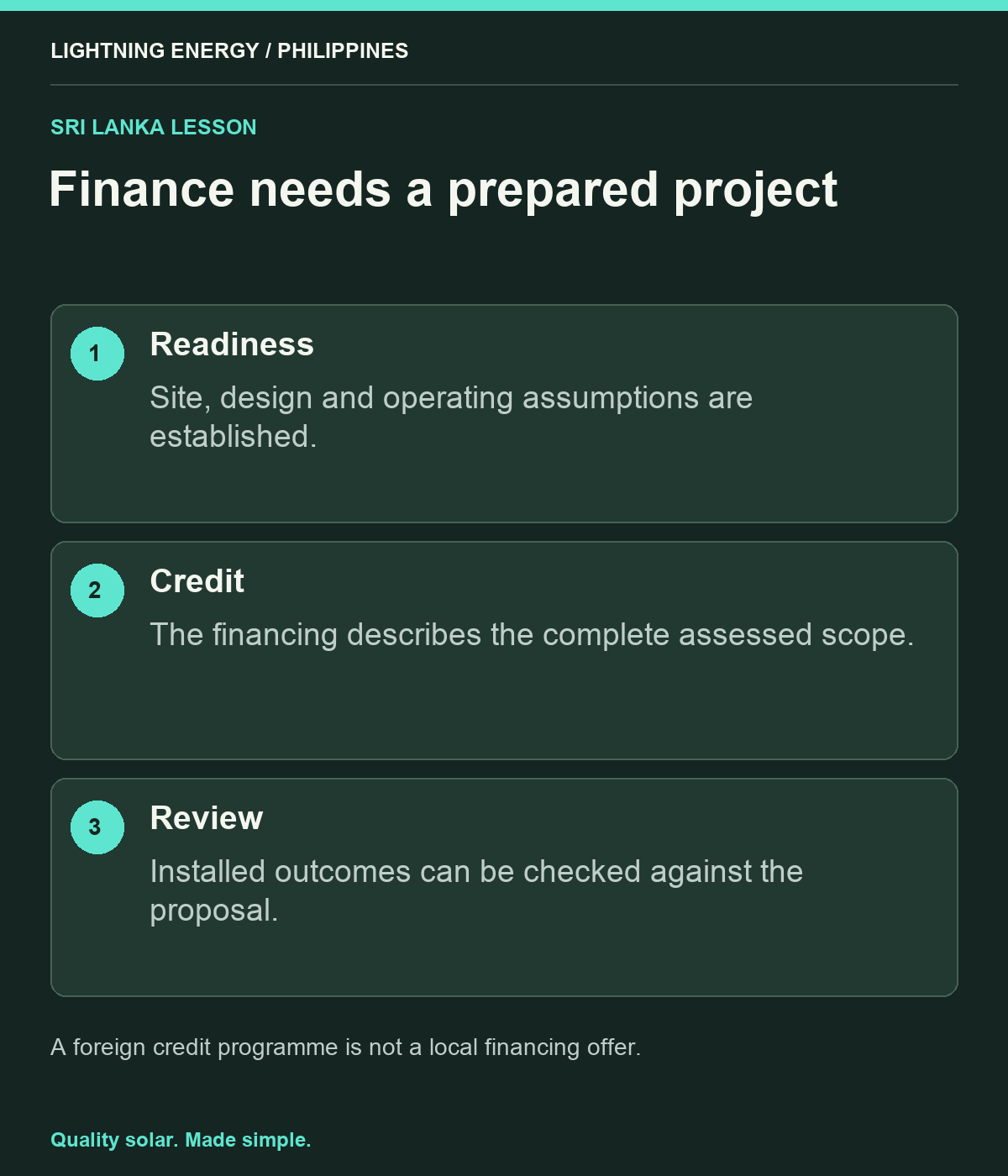
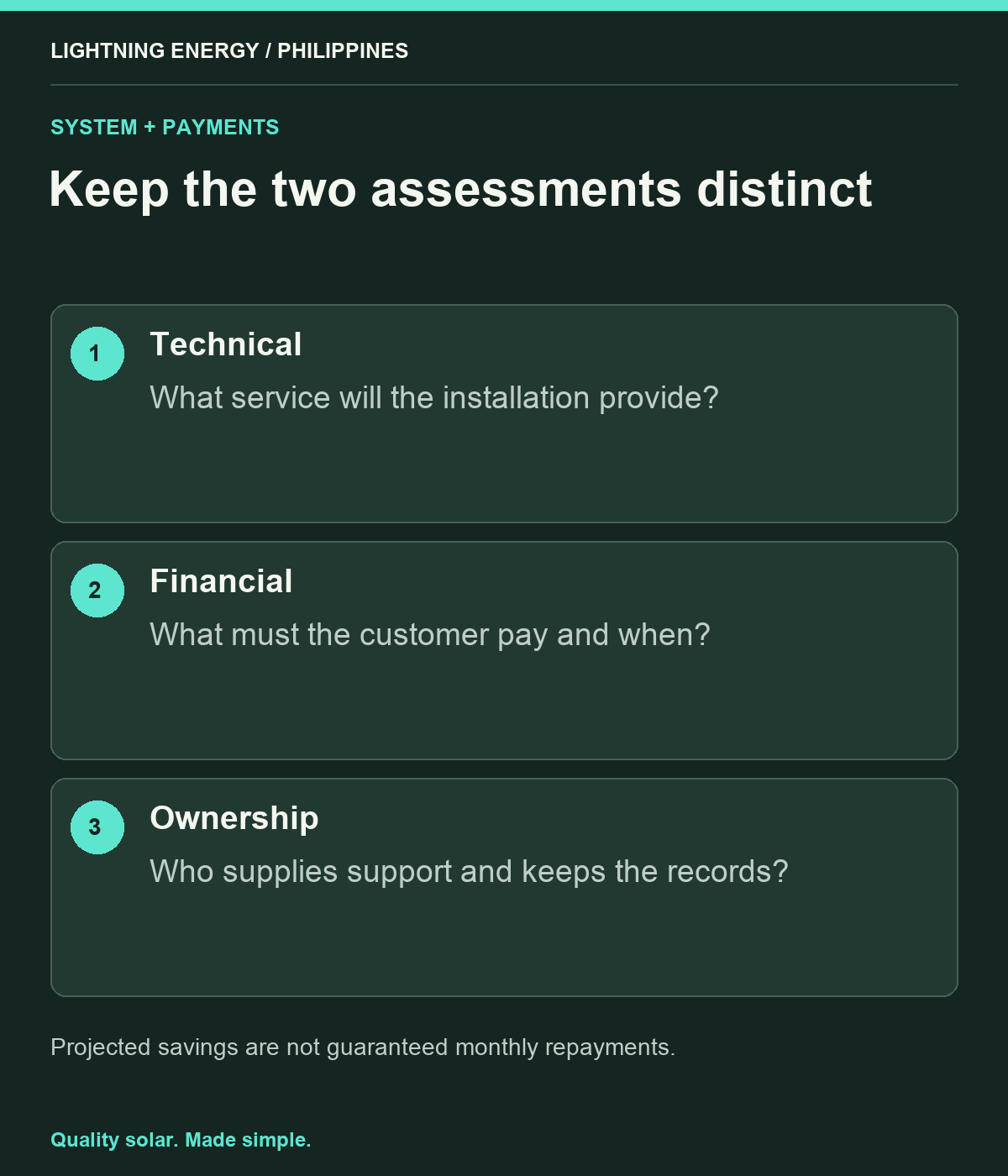
Collect electricity records, site information and the intended operating or backup requirements. Ask for a design and a transparent energy model before comparing repayment schedules. If the roof or electrical installation needs work, include that scope rather than financing only the visible solar equipment. A hypothetical customer may receive an attractive monthly payment that excludes necessary site work. The comparison becomes meaningful only when the financed amount and the actual installation describe the same project.
Follow the full payment commitment
Review the deposit, instalments, fees, interest, ownership and any conditions affecting early repayment or default with appropriate advisers. Keep those terms separate from the solar supplier's performance estimate. Do not assume that projected electricity savings will equal the monthly repayment in every season. A household or business needs enough financial room for ordinary variation and maintenance. The local contract, not the success of an overseas programme, determines what the customer is obliged to pay.
Test the lower-benefit scenario
Ask the provider to explain the model under less favourable production or lower daytime consumption, clearly labelled as scenarios rather than forecasts. Include planned absences, holidays or business closures where relevant. The question is whether the financing remains comfortable if the first year differs from the headline case. Avoid treating uncertain future tariff increases as the only reason repayments appear manageable. A sound assessment makes the dependency visible so that the owner can judge it rather than unknowingly inherit it.
Keep responsibilities clear after disbursement
Identify who installs and commissions the system, who handles warranty claims and who provides routine support. A lender, manufacturer and installer may have different roles. Ask where records are kept and how a service issue is reported. Financing should not leave the customer uncertain about whom to contact when equipment underperforms. Preserve the final design and handover evidence alongside the financial documents so that a later discussion can distinguish a contractual payment question from a technical operating issue.
Use finance to support an understood project
Bring the assessed installation scope and any financing offer to Lightning Energy and the relevant financial advisers. Ask for an explanation of how the technical assumptions and payment obligations fit together. Sri Lanka's case points to a practical principle: useful credit is supported by preparation, capable delivery and reviewable evidence. For a Philippine buyer, the best financed solar purchase is one the owner understands as both an electricity system and a long-term commitment.
Sources & further reading
Sources used for this guide. Policy and product details should be checked for your particular installation.
- ADB: Solar Power from the Rooftops in Sri Lanka23 March 2021; accessed 27 September 2026
- ADB: Sri Lanka Rooftop Solar Project Evaluation15 June 2024; accessed 27 September 2026