Solar FAQs
Do I Need Microinverters or Optimisers for a Partly Shaded Roof?
Module-level electronics are one design option. Compare the roof layout, expected benefit and service implications before adding them.
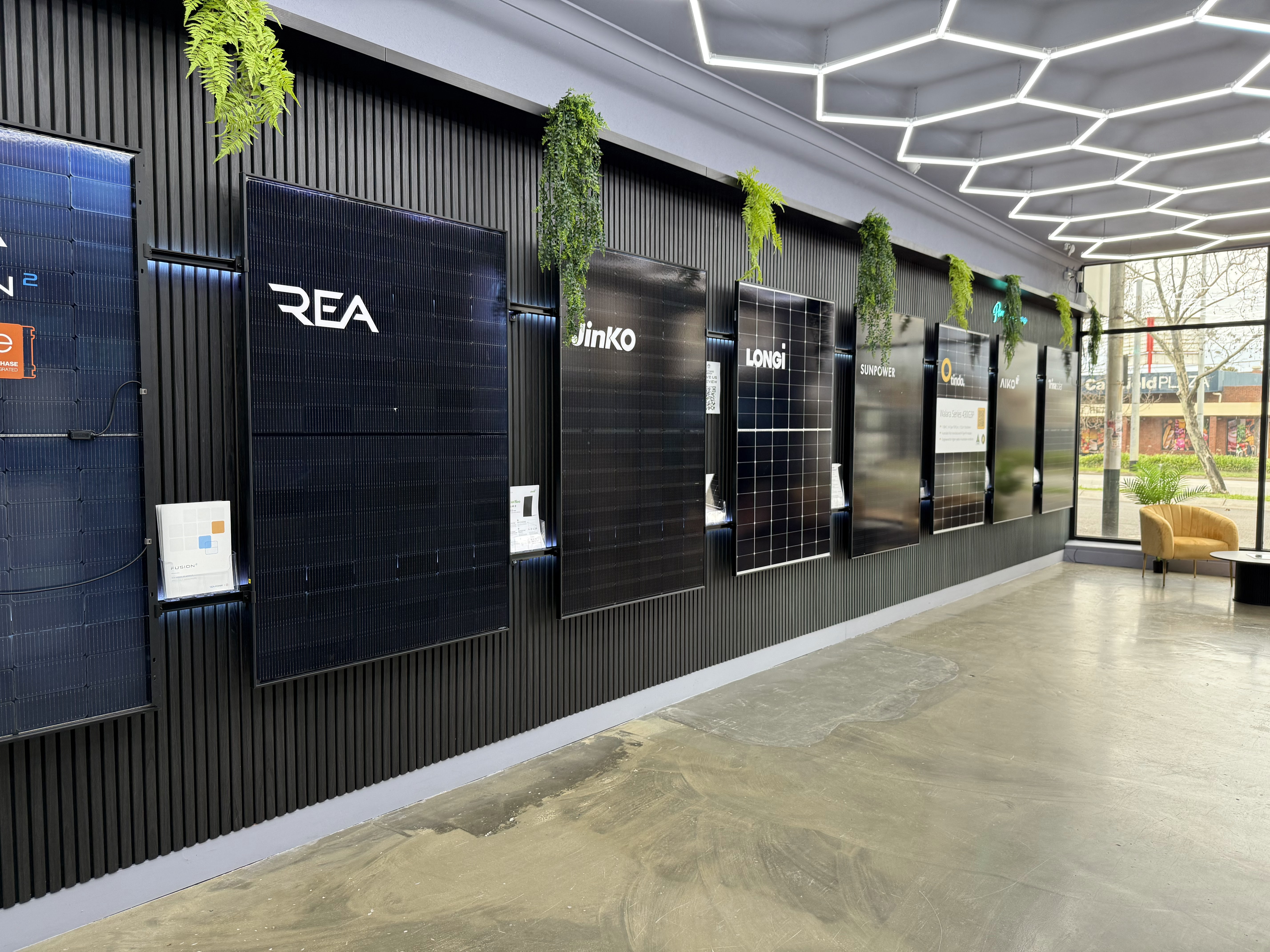
Not automatically. A partly shaded roof needs a shade assessment and a suitable electrical design; it does not automatically require one particular product category. Microinverters, power optimisers and appropriate string-inverter designs solve problems in different ways. Ask which problem the proposed equipment addresses on your roof and how much useful benefit is expected.
Distinguish the technologies
US DOE explains that microinverters convert electricity at individual modules and can support independent module operation. [1] A power optimiser is a different device and should not be treated as another name for a microinverter. Ask the supplier for a simple diagram of the proposed system.
Identify where conversion happens, how panels are grouped and what equipment sits on the roof. You do not need to become a designer, but you should know what you are buying. A quotation saying only “optimised solar” does not reveal the hardware, its compatibility requirements or who will service it.
Ask whether layout solves the main problem
Before comparing accessories, request a layout that avoids the worst shade where practical. Moving a few modules or leaving a poor area unused may change the economics. Compare that option with the original design using the same household demand assumptions.
Ask for the shade pattern across the year rather than a single afternoon photograph. The question is how much energy the proposed design can usefully recover, not whether a manufacturer can show a successful demonstration under some other conditions. No technology makes a permanently shaded roof equivalent to an unobstructed one.
Include suitable string-inverter options
SMA offers shade-management functionality integrated into compatible inverters. [2] That establishes another available approach, not proof that it wins on every home. Manufacturer comparisons should be treated as product claims until matched to the actual site.
Ask the designer to explain why the selected approach suits your roof faces and shading. Request any material difference in forecast output, cost and service access. If the answer is simply that the installer always uses the same package, ask whether the alternative was actually assessed. Consistency can be useful, but it is not a substitute for site-specific reasoning.
Compare the complete ownership experience
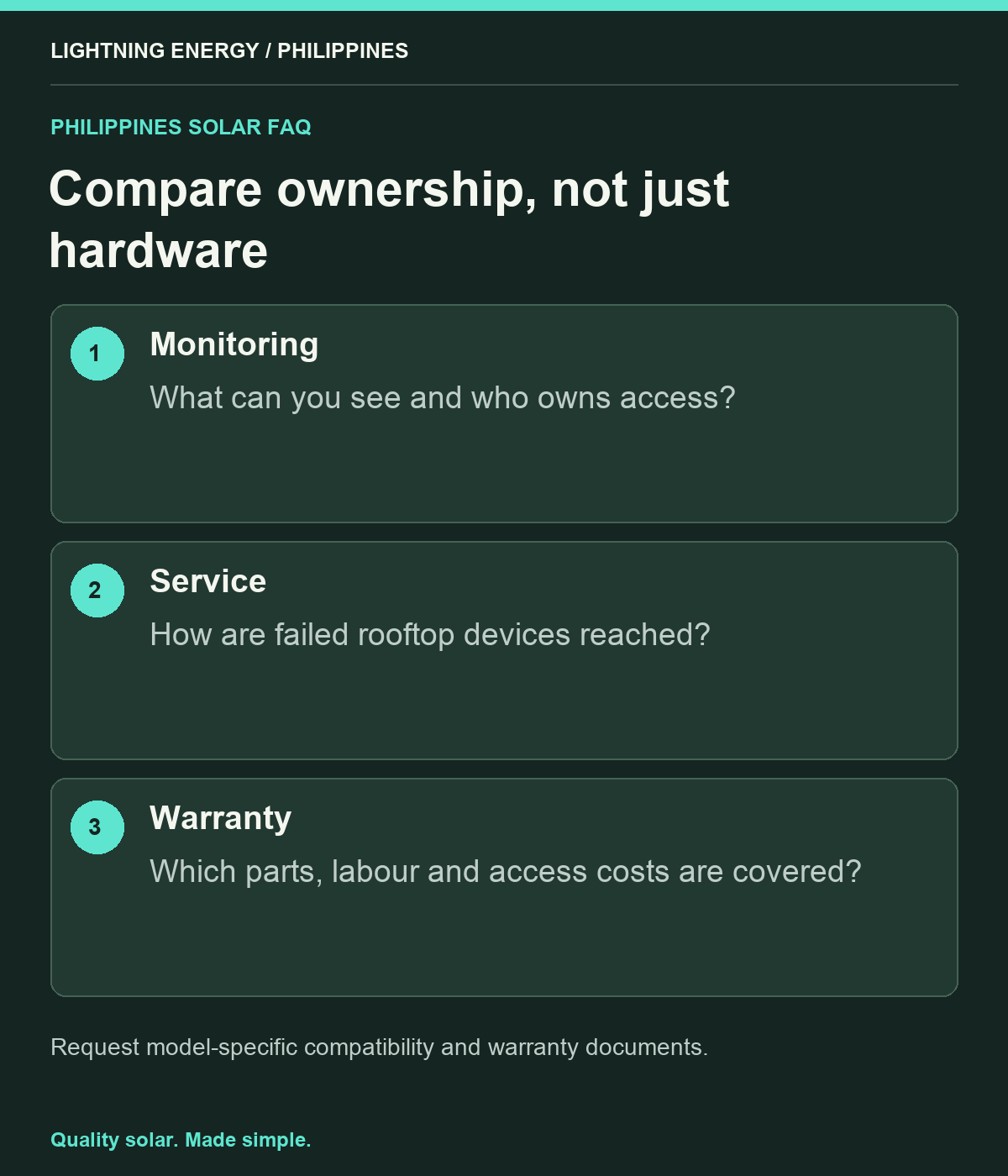
Look beyond the first installation price. Ask how a failed rooftop device would be identified, accessed and replaced, and which labour or access costs are covered. Check whether panel-level monitoring is included and who owns the account.
Also ask about replacement availability and compatibility if the product generation changes. A long product warranty does not automatically settle the cost of reaching equipment under a panel. Obtain the relevant terms in writing. The aim is not to avoid all additional electronics, but to understand the benefit and responsibilities that come with them.
Use a constrained design comparison
Imagine an illustrative roof with two areas: a clear main face and a smaller face affected by a tank. Ask for three proposals where appropriate: the clear face only, both faces with a suitable string arrangement, and both faces with module-level equipment. Compare useful annual energy and total scope.
Do not attach an invented universal percentage gain to the third option. If the modelled improvement is modest, service and cost may matter more; if the layout is complex, other features may be valuable. The decision should be explained using the roof’s actual conditions and your priorities.
Choose on evidence, not a technology slogan
Save the shade assessment, roof drawing, equipment list and comparison assumptions. Ask for a handover demonstration showing how you will identify a fault and contact support. Clear records make later troubleshooting easier regardless of the chosen technology.
Lightning Energy Philippines can help compare appropriate designs for a partly shaded home. Bring your bills and any safe photographs of nearby obstacles. Ask for a plain explanation of the recommended approach, the alternatives considered and the limits of the forecast. That is more useful than assuming that the most complicated or most heavily advertised package must be the best fit.
Sources & further reading
Sources used for this guide. Policy and product details should be checked for your particular installation.
- US Department of Energy — Solar Photovoltaic System Design BasicsAccessed 27 September 2026
- SMA — ShadeFix Technology and Design ApproachAccessed 27 September 2026