Across Asia
Viet Nam’s Direct Power Deals: Buying Renewable Electricity Is a Different Project
Viet Nam’s DPPA discussion helps distinguish corporate electricity procurement from a rooftop equipment purchase.
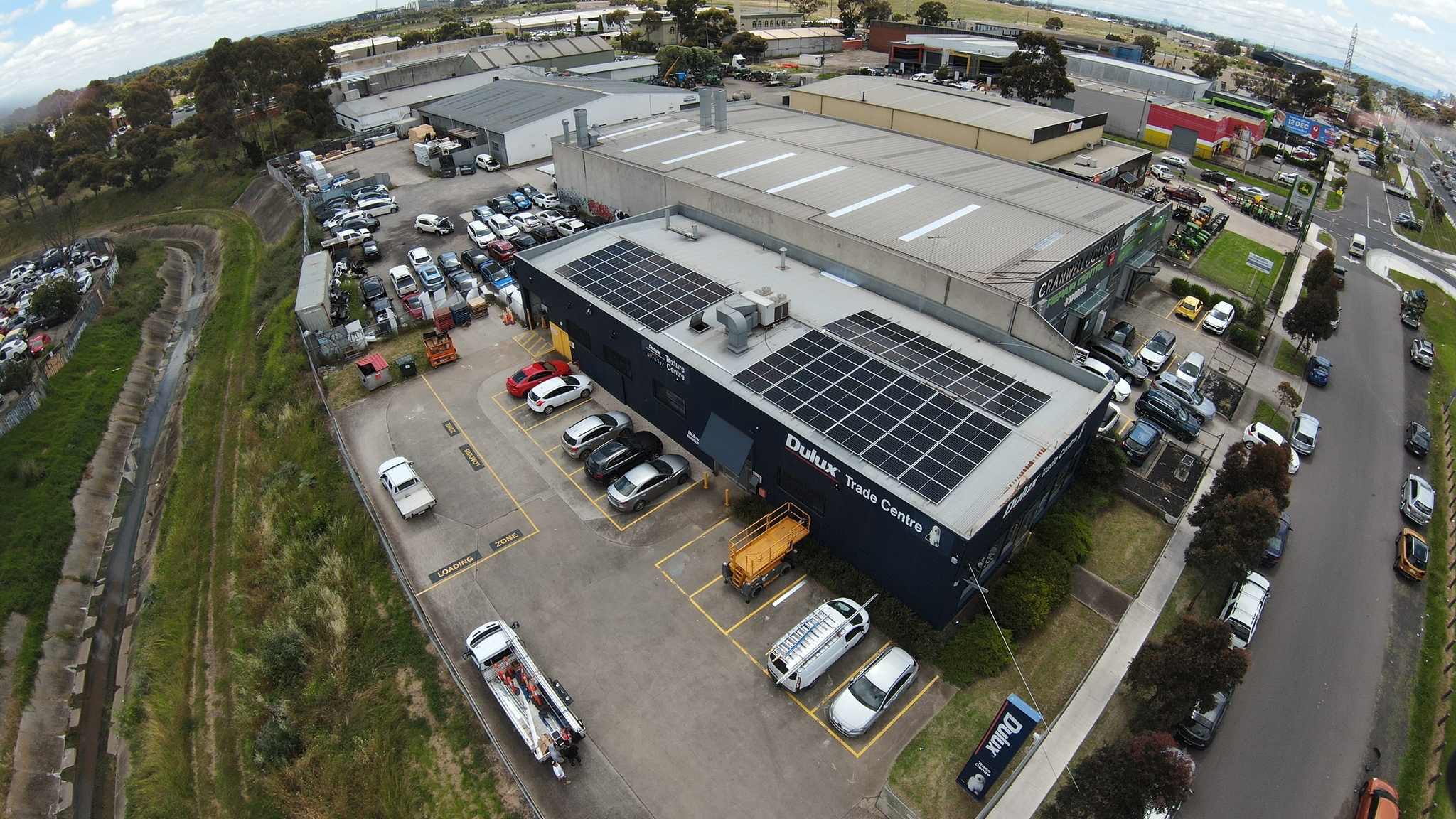
A business can pursue renewable electricity through a rooftop installation or through a supply arrangement, and in some circumstances it may consider both. These routes involve different counterparties, responsibilities and evidence. Treating them as the same product can make a procurement discussion confusing.
Viet Nam's direct power-purchase developments offer a useful regional case. For Philippine businesses, the lesson is to define what is being purchased before comparing offers. A foreign policy mechanism does not establish a local right to participate or determine the terms available at a particular site.
Put the Vietnamese policy reference in time
Viet Nam's Ministry of Industry and Trade reported an August 2025 implementation review covering its direct-power-purchase and renewable-energy decrees. [1] That dated account shows an institutional framework being implemented and reviewed. It is not a complete current eligibility guide. Readers considering activity in Viet Nam need the applicable rules and professional advice. Philippine buyers can use the example more simply: electricity procurement is governed by a defined commercial and regulatory arrangement, not only by the technology generating the power.
Identify the thing being bought
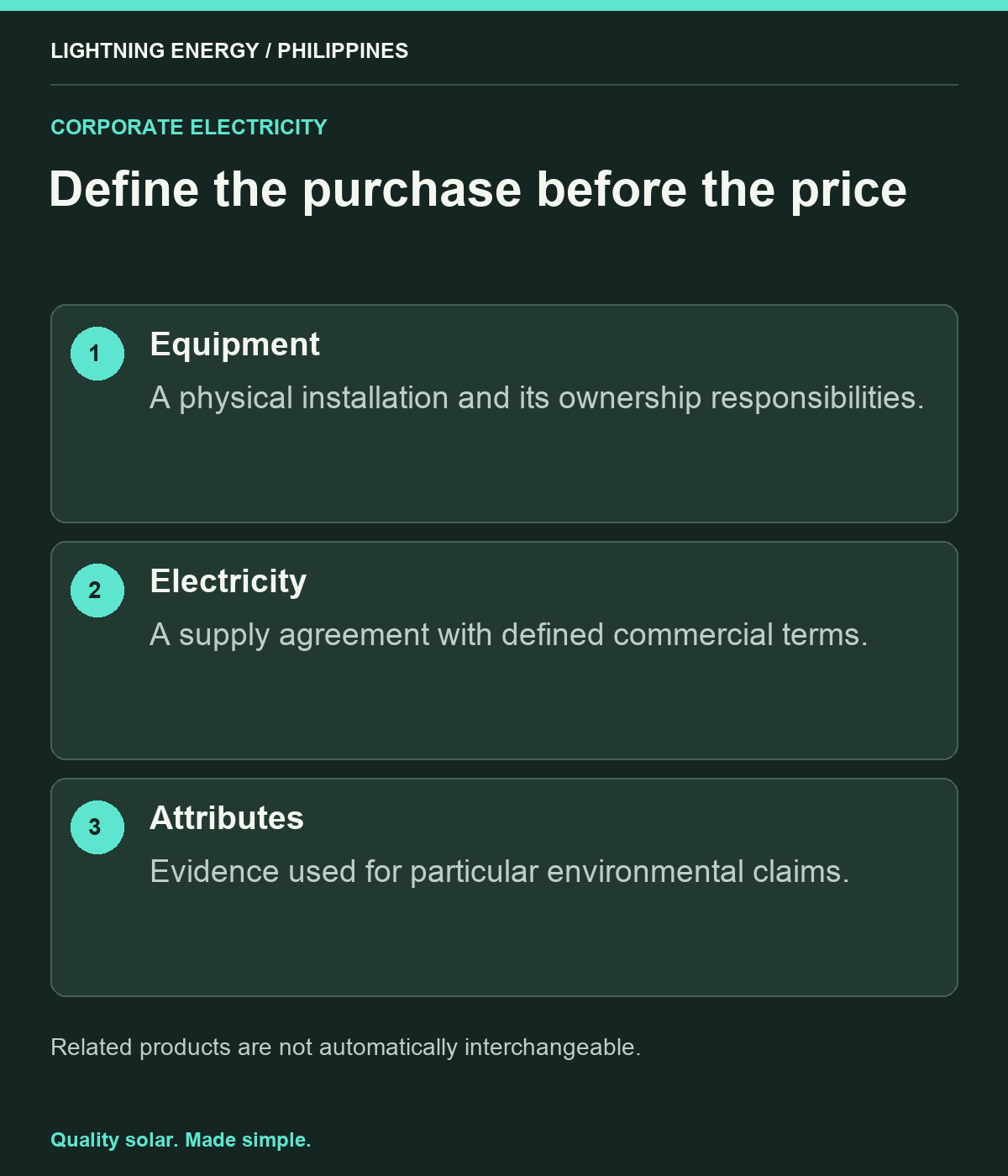
Ask whether an offer provides equipment at your property, electricity supplied under a contract or a separate environmental attribute. These can be related, but they are not interchangeable. A rooftop installation adds a physical asset and operating responsibilities at the site. A supply contract may involve a different generator and different settlement arrangements. A certificate has another role again. Write the transaction in plain language before comparing prices so that the business does not mistake one type of commitment for another.
Keep environmental claims tied to the arrangement
GHG Protocol's Scope 2 Guidance includes requirements for energy contracts and instruments used in corporate accounting. [2] Formal claims should therefore be reviewed against the actual documents and relevant accounting framework. This article does not determine the treatment of a particular contract. The practical step is to clarify which attributes the business receives and what evidence supports its intended statement. Avoid assuming that a renewable-sounding product name proves every site can claim the same outcome in every reporting method.
Compare physical and commercial responsibilities
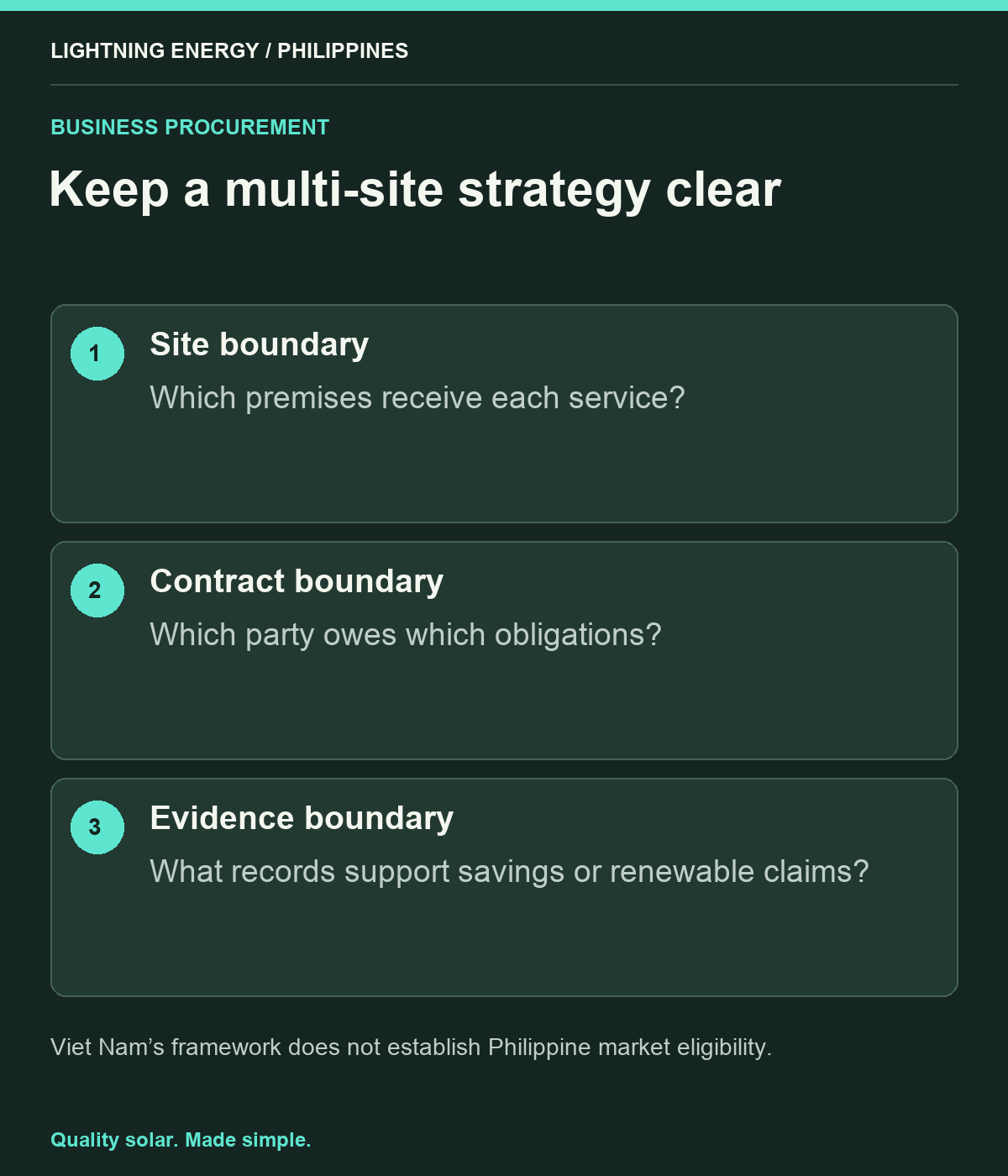
For rooftop ownership, examine installation, maintenance, access and equipment support. For a supply arrangement, examine the relevant contract, billing and counterparty obligations with appropriate advisers. If both are proposed, show how they interact and avoid double-counting the same electricity or benefit. An illustrative company with several branches might install rooftop solar at one owned site while separately reviewing procurement for leased premises. The two assessments should use clear site boundaries rather than be merged into an unexplained company-wide savings percentage.
Test a change in consumption
A business can grow, relocate or operate fewer hours. Ask how each offer responds under its actual terms. Keep minimum commitments, adjustment rules and exit provisions visible where they apply. Do not assume that flexibility in a marketing presentation is the same as flexibility in the signed agreement. The finance and operations teams should understand which assumptions are within the business's control and which depend on market or regulatory conditions that may require later reassessment.
Verify the Philippine route independently
Ask the relevant local parties to establish the available procurement or connection options for the business and its meter arrangements. Viet Nam's decrees are not a shortcut to that assessment. Keep the rooftop design grounded in site demand and the supply-contract analysis grounded in the applicable local framework. If an offer depends on eligibility, confirm it before making financial commitments. A clear division of work between technical, commercial and legal advisers helps prevent important questions from being left between them.
Choose the route that matches the business objective
Bring the company's site list, bills and renewable-electricity objective to the project discussion. Lightning Energy can assess the rooftop and storage scope while the appropriate parties review any supply contract. Viet Nam's example is valuable because it broadens the conversation beyond equipment without blurring the categories. A sound decision states what the business is buying, where the benefit applies and which records will demonstrate that the agreed service has actually been delivered.
Sources & further reading
Sources used for this guide. Policy and product details should be checked for your particular installation.
- Viet Nam Ministry of Industry and Trade: DPPA and renewable-energy decree implementation review21 August 2025; accessed 27 September 2026
- GHG Protocol: Scope 2 GuidanceAccessed 27 September 2026