Across Asia
Women in Solar: Build a Wider Skills Pipeline for Philippine Projects
Regional workforce research points to practical ways to make training and project opportunities more accessible.
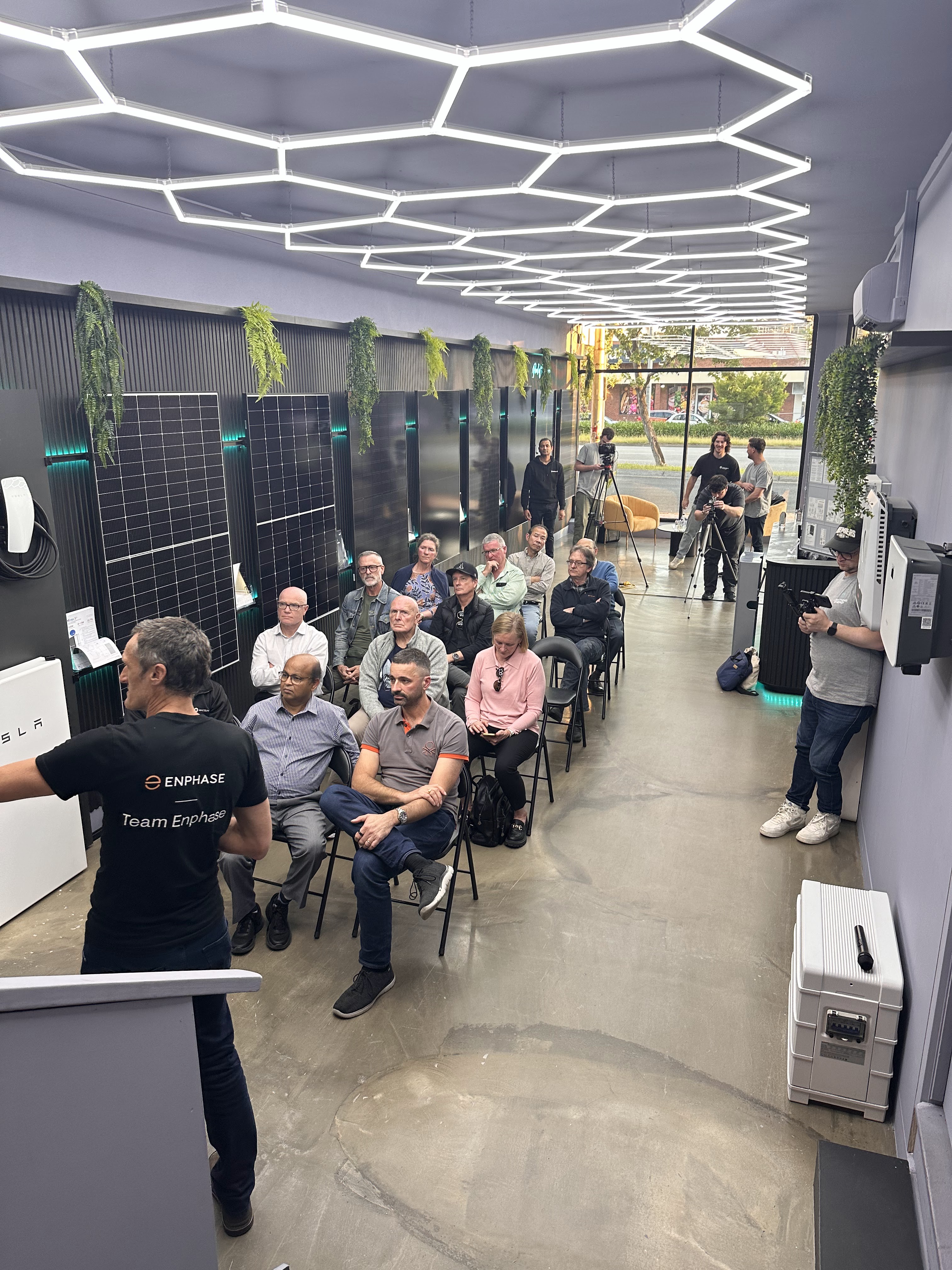
A growing solar industry needs people who can design, coordinate, install, document and support projects. Recruiting from a narrow pool can leave useful skills and perspectives outside the process before a candidate has a chance to demonstrate them.
Research on women’s participation in solar offers Philippine employers, training providers and project buyers a practical discussion about access. The focus should be on how opportunities are advertised, taught and assessed, with consistent competence requirements and clear routes into the work.
Start with the barriers the research identifies
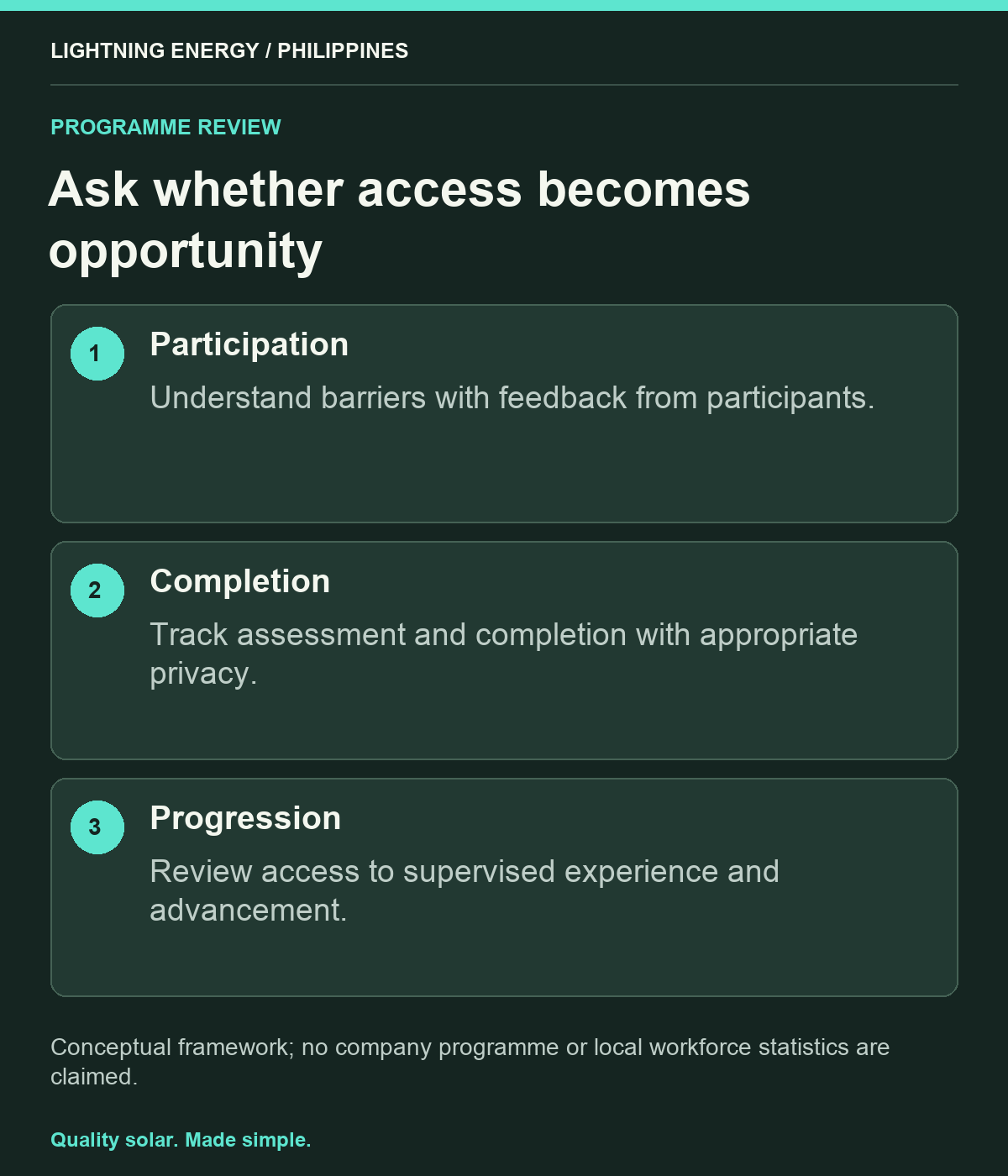
IRENA’s 2024 decentralised-solar study, covering India and four African countries, identifies barriers including training access, mobility and workplace bias. [1] Those findings should prompt local questions rather than be presented as a measurement of the Philippine workforce. Ask potential participants what prevents them from applying or completing training. Record the answers without assuming every person faces the same constraint. A programme designed around evidence from its own participants is more useful than one built only from a broad regional comparison.
Describe the actual work
Write role descriptions around tasks, required competence and the conditions under which the work is performed. Distinguish essential qualifications from experience that can be developed through supervised training. Solar projects include technical and nontechnical responsibilities, and the entry route should be clear for each. Avoid directing candidates toward a role based on gender. An applicant should be able to understand what the job requires and how to demonstrate suitability, whether the role concerns engineering, site coordination, customer support or project records.
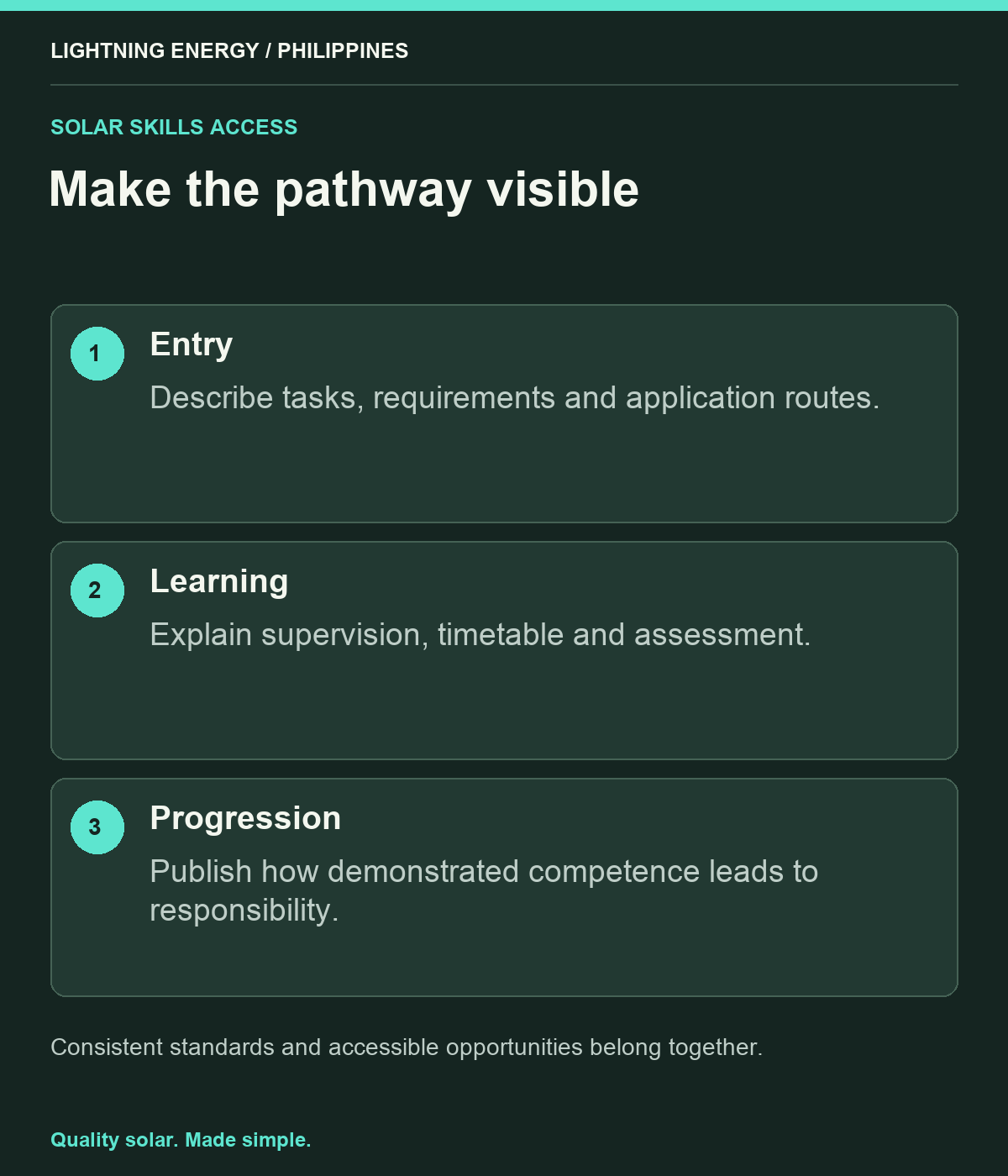
Make the training pathway visible
Publish the prerequisites, timetable, assessment process and likely next step before recruitment begins. Ask whether the delivery arrangement creates avoidable barriers, while preserving the practical training and supervision the role requires. For an illustrative local training partnership, explain how attendance, travel and placement arrangements work rather than leaving participants to discover them after enrolment. Clear information benefits everyone. It also allows a provider to identify which obstacles can be addressed directly and which require a wider partnership.
Treat progression as part of participation
IRENA’s 2022 solar workforce report examines barriers to women’s participation and advancement across the sector. [2] A useful employer response is to make progression criteria explicit, including how employees gain supervised experience and receive feedback. Participation should not be measured only at the first training session. Ask whether people can move into more responsible work when they demonstrate the required competence. Keep those criteria consistent and visible so opportunities do not depend solely on informal access to a particular manager.
Give project buyers practical questions
A buyer commissioning solar can ask a supplier how it trains staff, verifies competence and maintains professional conduct on site. Where workforce development is a procurement objective, state the evidence required and apply the same assessment fairly to bidders. Avoid token commitments that have no delivery plan. For a community or business project, a concrete training or mentoring arrangement can be discussed with the relevant provider, but it should not be advertised as a promised benefit until responsibilities and resources are agreed.
Measure the pathway without inventing success
Track useful stages such as applications, completion, assessment and progression, with appropriate privacy protections and consent for any public stories. Ask participants for feedback on the process as well as counting attendance. Do not treat an individual’s presence in a photograph as proof of meaningful access or long-term employment. A programme can acknowledge progress and remaining gaps at the same time. Reporting the actual evidence makes later improvements easier to target and avoids turning a worthwhile objective into a marketing claim.
Connect inclusion with dependable delivery
For Philippine solar projects, a broader skills pipeline should complement clear standards, supervised experience and accountable service. Lightning Energy Philippines can discuss the people and responsibilities involved in its project scope; this article does not announce an employment or training programme. The wider lesson from regional research is practical: make entry, learning and progression understandable, investigate avoidable barriers and assess competence consistently. That gives more people a fair opportunity to contribute to the work that a growing solar-and-battery sector requires.
Sources & further reading
Sources used for this guide. Policy and product details should be checked for your particular installation.
- IRENA: Decentralised Solar PV—A Gender PerspectiveOctober 2024; accessed 27 September 2026
- IRENA: Solar PV—A Gender PerspectiveSeptember 2022; accessed 27 September 2026